Zelensky Plans Late-September U.S. Talks as Ukraine Risks Hit Markets
Ukraine’s president said food and energy security will top a new meeting with a U.S. delegation as Russian attacks threaten infrastructure and grain flows.
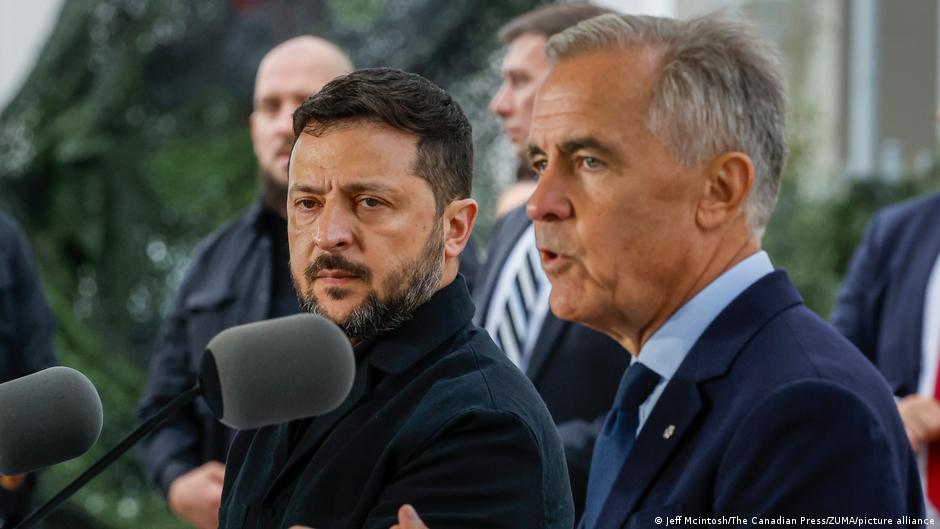
Ukrainian President Volodymyr Zelensky said he expects to meet again with a U.S. delegation before the end of September, putting energy and food security back at the center of a diplomatic track watched closely by commodity, shipping, defense and European infrastructure investors.
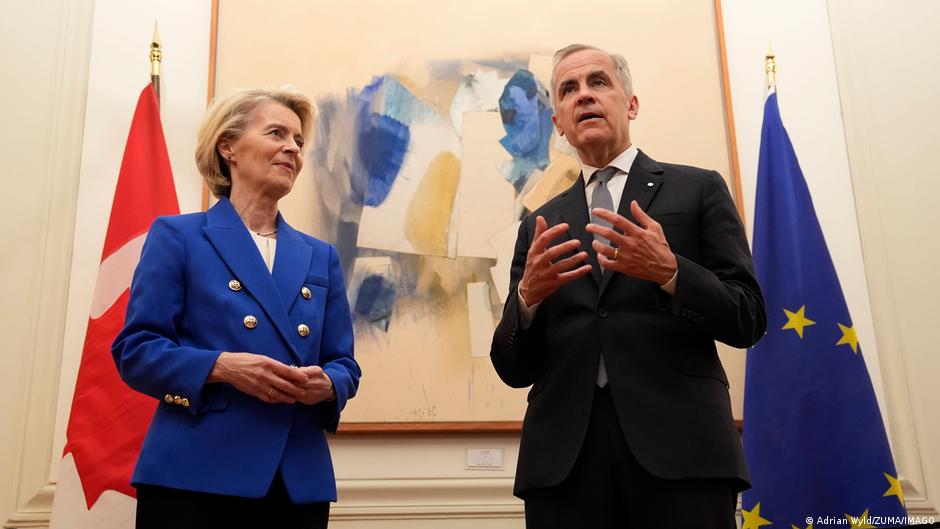
Zelensky made the comments to journalists on Thursday, September 11, after talks with Canadian Prime Minister Mark Carney. He said the meeting with U.S. representatives could take place on the sidelines of the United Nations General Assembly in New York. The agenda, he indicated, would include grain and agricultural exports that Russia has begun blocking in the Black Sea, as well as Ukraine’s energy security amid continued strikes on infrastructure.
For Wall Street, the remarks underscore a familiar trading setup: diplomacy can temporarily calm geopolitical risk premiums, but any escalation around Ukrainian ports, power assets or transport corridors can quickly reprice expectations across agriculture, energy, freight, insurance and defense-linked equities. The source article did not name any publicly traded companies or provide market data, but the issues Zelensky described sit directly inside sectors that investors typically use to express views on the war’s economic spillovers.
“Knowing Russia, when they hear that we are holding talks somewhere with Europeans, with Canadians, with Americans, when they hear this, they try to intensify attacks on us,” Zelensky said.
He added that such attacks were intended “simply to disrupt any negotiations” and “any dialogue,” but said Ukraine would continue moving in that direction because it was “the only way to stop the war.”
Food security risk keeps agriculture in focus
Zelensky said he expects the potential U.S. meeting to address the problem of grain and agricultural products whose exports Russia has begun blocking in the Black Sea. That matters for equity markets because Ukraine’s export flows are tied to global grain availability, transport costs and the earnings outlook for companies exposed to agricultural inputs, crop trading, logistics and port activity.
In U.S. trading, investors often look to fertilizer producers, grain handlers, farm equipment makers and agricultural commodity-linked exchange-traded funds when assessing shocks to global crop supply. Any sign that Ukrainian shipments may face further disruption can influence expectations for crop prices and margins across the broader food supply chain. Conversely, renewed diplomacy around export corridors could ease some pressure on the sector, though the article provides no indication that any agreement has been reached.
The Black Sea remains a key variable because it is both a military theater and a commercial artery. If Russia escalates actions around shipping routes while diplomatic contacts intensify, traders may treat the situation as a renewed geopolitical-risk event rather than a conventional supply-demand story. That distinction matters for trading volumes: headline-sensitive markets can see rapid rotation into perceived defensive, commodity-linked or defense-adjacent exposures when the risk is viewed as sudden and political.
Energy infrastructure adds another equity-market channel
Zelensky also said Kyiv is in daily contact with the American delegation to discuss energy security, citing Russian Armed Forces strikes on Ukrainian infrastructure. That channel is especially relevant to investors tracking European power prices, liquefied natural gas demand, grid equipment suppliers, energy services, utilities and companies involved in infrastructure repair or resilience.
The article does not identify particular damaged assets or quantify the scale of the attacks. Even so, repeated strikes on infrastructure can feed into broader equity research assumptions about regional energy volatility, winter preparedness, reconstruction needs and demand for power equipment. For U.S.-listed investors, the market read-through may include companies exposed to electrical equipment, backup power, engineering services and energy logistics, as well as European utilities and industrials traded through American depositary receipts or global funds.
The defense sector also remains part of the market conversation. A diplomatic push does not eliminate the investment case around sustained weapons demand, air defense, surveillance and battlefield support systems, particularly if Russian attacks increase during negotiation windows. Zelensky’s warning that Moscow may intensify attacks when talks are underway is likely to reinforce the view among some analysts that defense spending expectations remain durable even when negotiations resume.
Timing around Russian elections shapes the risk calendar
Zelensky separately said he does not expect serious negotiations with Moscow before elections to Russia’s State Duma, scheduled for September 18-20. The article also said Washington had earlier been reported to hope for renewed talks after Russia’s election campaign.
That creates a defined political calendar for investors. Markets often discount geopolitical news unevenly, responding less to broad statements of intent and more to dates that could produce a change in negotiating posture. A possible late-September meeting with a U.S. delegation, if held around the United Nations General Assembly, would fall shortly after the Russian voting period referenced by Zelensky. For traders, that sequence may concentrate attention on late-month headlines involving Washington, Kyiv and Moscow.
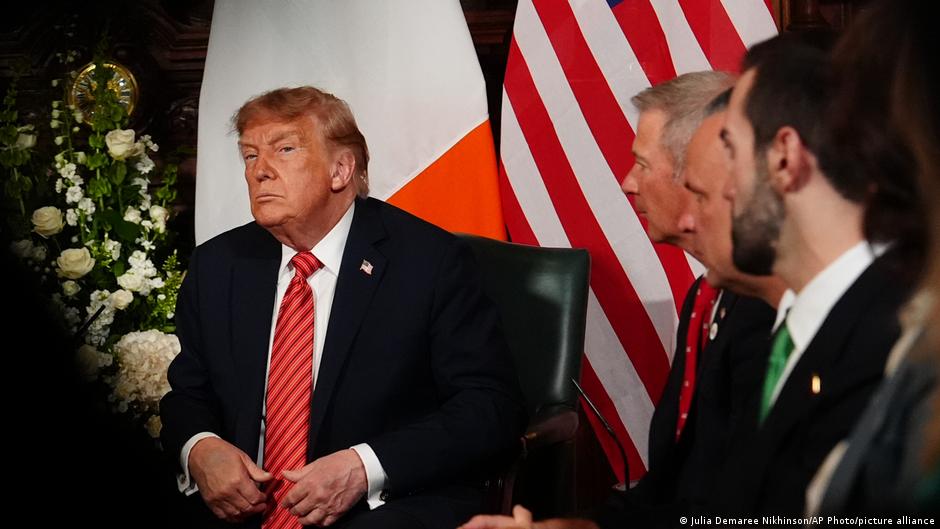
The diplomatic backdrop also includes remarks from U.S. President Donald Trump. On September 9, Trump said Russian President Vladimir Putin was ready to reach an agreement to end the war with Ukraine. Referring to a recent phone conversation with Putin, Trump said, “We had an excellent conversation. He wants an agreement.” Trump added that it would be “very good” if Zelensky also wanted an agreement.
At the beginning of September, Washington resumed mediation between Kyiv and Moscow in an effort to start negotiations. After another visit to Moscow by Trump’s special envoy Steve Witkoff and the U.S. president’s son-in-law Jared Kushner, the Kremlin said Putin had assured Trump that he had no “aggressive plans” toward Europe.
Equity strategists are likely to treat the latest Zelensky comments as a sign that diplomacy is active but fragile. The market impact depends less on the existence of talks alone and more on whether those talks reduce the probability of attacks on ports, grain flows and energy infrastructure. Until there is evidence of a durable arrangement, sector rotation may remain headline-driven, with commodity-sensitive, defense, energy infrastructure and European risk assets reacting sharply to each new signal from Kyiv, Washington and Moscow.