Canada Eyes EU Ukraine Loan as Defense and AI Themes Stay in Focus
Ottawa is in talks to join the European Union’s €90 billion Ukraine loan program ahead of a late-October EU-Canada summit in Montreal.
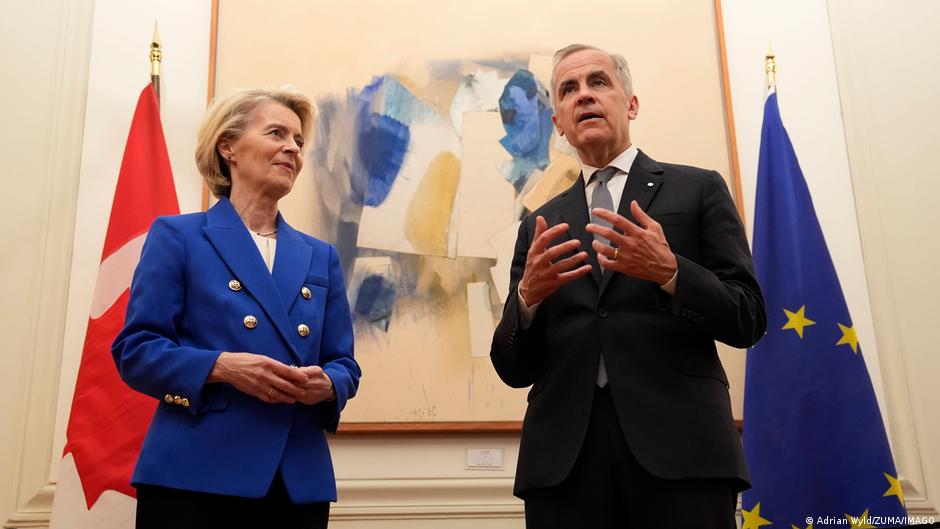
Canada is seeking to participate in the European Union’s €90 billion loan program for Ukraine, a move that could reinforce investor attention on defense, reconstruction, artificial intelligence infrastructure and transatlantic policy alignment at a time when geopolitical risk remains a persistent factor for global markets.
Ottawa and Brussels intend to agree on the size of Canada’s contribution before the EU-Canada summit scheduled for late October in Montreal, according to the Financial Times, which cited people familiar with the matter. The report said Canada is in talks to join the loan program, which so far has only one non-EU participant: the United Kingdom.
For Wall Street, the immediate read-through is less about a single transaction and more about policy direction. A Canadian entry into the EU-led program would signal a broader effort by Western governments to sustain financial support for Ukraine through multilateral channels. That keeps defense spending, defense innovation, energy security, cybersecurity and eventual reconstruction themes relevant for equity investors, particularly those tracking European and North American industrials and government-exposed technology names.
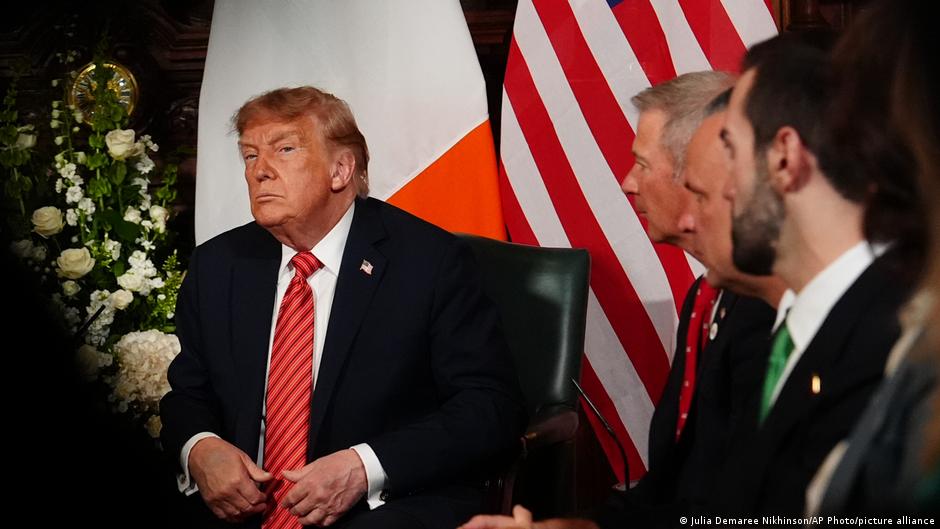
The discussions come as Prime Minister Mark Carney seeks to demonstrate Canada’s commitment to strengthening transatlantic ties, according to the report. The broader political objective, as described by the Financial Times, is to reduce Canada’s dependence on the United States and build an alliance of liberal powers committed to a multilateral order that Carney views as having been damaged by U.S. President Donald Trump.
Canada’s participation would place Ottawa more firmly inside the EU’s Ukraine financing architecture, extending a policy theme that equity investors have already been following through defense budgets, public-sector technology contracts and supply-chain realignment.
Market Lens: Defense, Industrials and Policy-Linked Tech
The potential Canadian contribution may support the market narrative around defense and dual-use technology, although the precise size of Ottawa’s participation has not yet been agreed. Canada has already allocated C$6.5 billion in military assistance to Ukraine, equivalent to about US$4.7 billion, according to the report. On September 10, Carney and Ukrainian President Volodymyr Zelensky signed a declaration on a 100-year partnership that includes cooperation in defense innovation.
That language matters for investors because defense innovation has become one of the most closely watched policy-linked technology categories. Public-sector demand in areas such as drones, secure communications, battlefield analytics, satellite services and cyber resilience has influenced investor positioning across defense contractors, aerospace suppliers, software vendors and advanced manufacturing companies. The article does not identify any specific corporate beneficiaries, and no direct contract awards were announced in connection with the talks. Still, the direction of travel is relevant for sector rotation.
In equity markets, the clearest sector implications are likely to be thematic rather than stock-specific in the near term. Defense primes and suppliers with exposure to NATO-aligned procurement may remain in focus when investors assess Western support for Ukraine. Engineering, construction and infrastructure companies could also draw attention over time if Ukraine financing is linked to longer-term rebuilding needs, though the reported loan discussions concern financial support and do not specify reconstruction contracts.
Financial stocks may receive a more indirect signal. A large sovereign-backed loan program involving the EU and potentially Canada highlights the role of public finance, government guarantees and multilateral coordination. However, the source report does not provide details on lending structure, participating financial institutions, interest terms or any private-sector underwriting role. As a result, investors would be cautious about assigning immediate earnings impact to banks or asset managers based solely on the reported talks.
AI Infrastructure Adds a Second Track
The Financial Times report also said Canada, seeking support in a trade war with the United States, hopes to reach other agreements with the European Union. These include joining the EU’s supercomputer network for joint work on artificial intelligence and signing a digital trade agreement with Brussels.
That second track broadens the potential market lens beyond defense. Supercomputing access and AI collaboration intersect with semiconductor demand, data-center infrastructure, cloud services, research computing and government technology procurement. Again, the report does not name companies or quantify planned spending tied to AI infrastructure. But for equity research teams, the policy signal could feed into existing frameworks around sovereign AI capacity and cross-border digital trade.
In recent market cycles, AI-related equities have been especially sensitive to announcements that suggest durable infrastructure demand or government-backed computing capacity. A Canadian effort to connect more deeply with European supercomputing networks would not automatically translate into revenue for U.S.-listed technology companies. Yet the development could influence how analysts think about regional AI supply chains, standards, procurement channels and partnerships across North America and Europe.
The digital trade component may also matter for software, cloud and platform companies over a longer horizon. A Canada-EU digital trade agreement, if completed, could shape data governance, market access and regulatory compatibility. The source report provides no terms for such an agreement, so any market conclusions remain preliminary. The significance is that Ottawa appears to be pursuing a package of Europe-facing economic and security arrangements rather than a single Ukraine-financing decision.
Trading Takeaway
For traders, the reported talks are unlikely to function as a clean, immediate catalyst for individual stocks because the size of Canada’s potential loan contribution has not been disclosed and no corporate contracts were announced. The more plausible impact is on baskets and themes already linked to geopolitical spending: defense, aerospace, cybersecurity, infrastructure, energy resilience and AI hardware.
Trading volumes in those areas can become more sensitive around policy meetings, budget headlines and summit communiqués. The next date investors will watch is the EU-Canada summit in Montreal at the end of October, because the parties reportedly aim to settle Canada’s contribution before then. Any confirmation of participation, details on financing terms or parallel announcements on AI and digital trade could sharpen the market response.
The wider strategic message is that Canada is looking for stronger European ties while reducing reliance on the United States. If that approach continues, Wall Street may increasingly treat Canada-EU coordination as part of the broader realignment shaping capital flows, procurement priorities and equity research coverage across defense technology and strategic infrastructure.