Saudi Pipeline Outage Raises Supply Risk as Oil Market Eyes Aramco Repairs
A prolonged shutdown of Saudi Arabia’s East-West pipeline could cut global oil supply by 4%, according to market sources cited by Reuters.
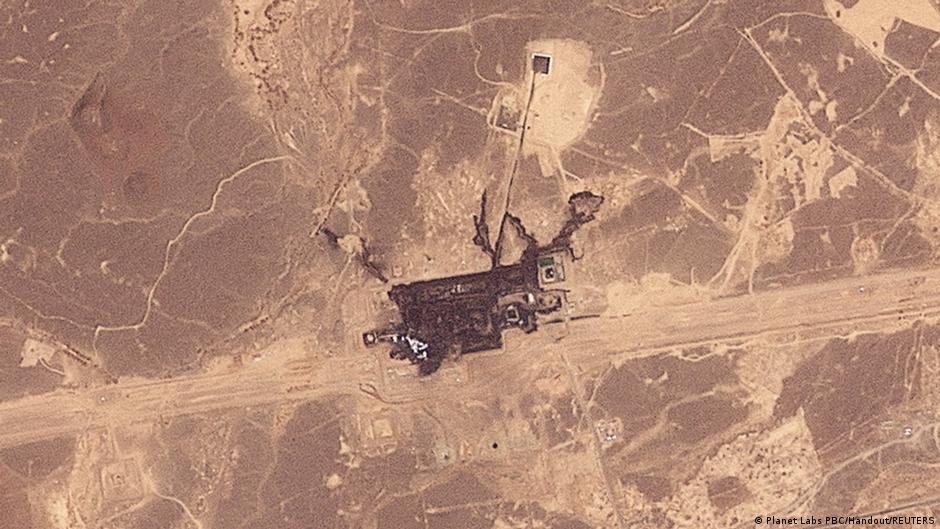
A shutdown of Saudi Arabia’s East-West oil pipeline is emerging as a material risk for global crude supply and energy-linked trading, with market sources warning that a prolonged disruption could remove as much as 4% of worldwide oil supplies.
The pipeline was halted after drone attacks attributed in the source report to the Houthis. The length of the repair period remains unclear, leaving oil markets, Saudi export flows and shares tied to the energy complex exposed to uncertainty at the start of the trading week.
According to Reuters, citing informed sources in the oil market, Saudi Arabia could face a shortage of crude inventories available for export if Riyadh does not restore the East-West pipeline in the coming days. Those sources estimated that the resulting impact could amount to a 4% decline in global supplies.
For Wall Street, the issue is not only the physical loss of barrels but the degree of uncertainty around timing. Saudi authorities have not provided full information on the scale of damage to the pipeline following the drone strikes, nor have they given a definitive schedule for resuming crude flows. That lack of clarity may keep attention focused on oil futures, integrated energy companies, refiners, tanker exposure and Saudi Aramco, the national oil company that previously returned the same route to service quickly after an earlier attack in April.
Repair Timeline Becomes the Market Variable
The pipeline was suspended on Sept. 11. Saudi Arabia’s energy ministry said at the time that the move was taken as a “precautionary measure” after drone strikes from Iraqi territory hit the Riyadh and Medina provinces.
One market source cited by Reuters said repairs could take five to six weeks, while another said work could be completed more quickly and pumping could resume before repairs are fully finished.
That range matters for traders because the East-West line is a strategic route for Saudi exports. The 1,200-kilometer pipeline connects the kingdom’s major oil fields in the east with the Red Sea port of Yanbu. By using Yanbu, Riyadh can ship millions of barrels per day without relying on the Strait of Hormuz, where traffic has been restricted by Iran.
The route became more important after the start of the war against Iran, when Saudi Arabia significantly increased its use of the pipeline. By June, exports through the line had reached nearly 8 million barrels per day, according to an estimate from the International Energy Agency.
That scale explains why the outage has direct implications for equity research coverage of the energy sector. Analysts tracking supply risk are likely to focus on how quickly Saudi export capacity can be restored, whether Yanbu shipments remain constrained, and whether alternative routes can offset any prolonged downtime. With no official repair schedule, the market is left to price a broad set of outcomes.
Red Sea Disruptions Add Pressure
The East-West pipeline’s effective capacity had already come under pressure in recent weeks because of Houthi attacks on Saudi tankers in the Red Sea. In August, shipments through Yanbu totaled about 2.5 million barrels per day, the lowest level since 2013, according to the latest monthly report from the International Energy Agency.
That decline suggests the pipeline issue is not occurring in isolation. It is part of a wider disruption around Saudi export logistics, Red Sea shipping security and the kingdom’s effort to bypass the Strait of Hormuz. For investors, the combination of lower recent Yanbu throughput and an uncertain repair window may support a higher risk premium in crude benchmarks.
Energy stocks may draw increased attention as traders assess whether the potential supply loss supports crude prices or instead raises concern about regional instability and shipping risk. Saudi Aramco is the most directly referenced company in the source report. The national oil company brought the East-West pipeline back into operation quickly after an April attack, but there is no official indication yet that the current repair effort will follow the same timeline.
The Wall Street read-through is therefore concentrated in several areas: upstream producers that may benefit from tighter global supply, refiners exposed to crude input costs, transport and tanker names affected by Red Sea risk, and broader market sectors sensitive to energy inflation. The source material does not provide current stock moves, trading volumes or analyst ratings, but the operational facts point to a supply-side catalyst that equity desks are likely to monitor closely.
The key near-term question is whether Riyadh can restore the East-West line before export inventories become a constraint. If not, the market sources cited by Reuters see a possible 4% hit to global oil supply. Until Saudi authorities disclose more detail on the damage and repair timetable, trading in energy-linked equities is likely to remain anchored to headlines from the pipeline, Yanbu export flows and Red Sea security conditions.