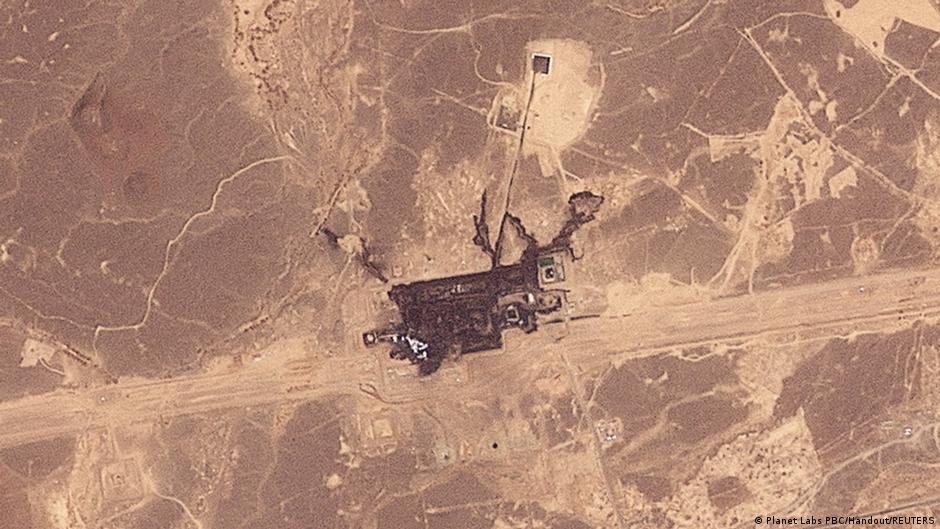
Zaporizhstal Damage Deemed Critical After Third Russian Missile Strike
The Metinvest-owned steelworks has remained fully halted since an August attack, sharpening investor focus on Ukraine’s steel supply risk.
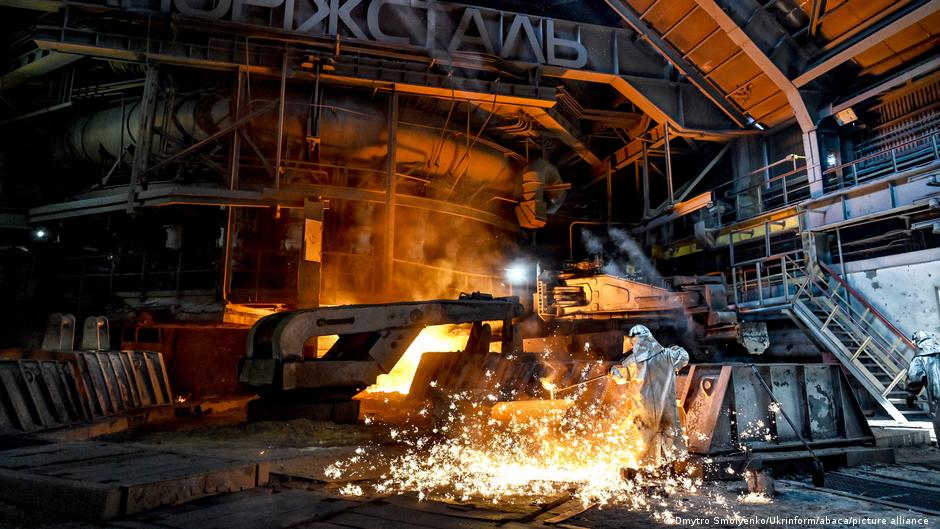
Zaporizhstal, one of Ukraine’s largest steel plants and a major part of the country’s industrial base, has sustained what the company preliminarily described as “critical” damage after a third Russian missile strike in a month. For equity investors watching steel producers, miners, logistics operators and reconstruction-linked industrial names, the latest attack adds another supply-side shock to an already disrupted Ukrainian metals sector.
The steelworks, located in the Ukrainian city of Zaporizhzhia and owned by Metinvest Group, was hit overnight into Saturday, September 12. According to a company press release published the same day, four missiles struck the production site during the latest attack. The plant had already fully stopped operating after previous strikes on August 11 and August 27, but at least four employees were on site during the September attack. They were injured, and three required hospitalization.
The company said equipment at the blast-furnace and open-hearth shops was damaged, along with the plant’s power system and logistics infrastructure. The scope of the damage has not yet been finally assessed, but management’s early language underscored the severity of the hit.
“The scale of destruction is growing with each strike. It is still impossible to assess it definitively, but preliminarily we classify the damage as critical,” said Oleksandr Myronenko, chief operating officer of Metinvest Group.
Emergency response and damage assessment work are continuing at the site, the company said. For markets, the important point is that the September strike did not hit an operating facility in the ordinary sense: Zaporizhstal had already been fully idle. Instead, it appears to have deepened the impairment of a strategic production base whose restart timetable was already uncertain.
Steel Supply Risk Moves Back Into Focus
Zaporizhstal’s importance to Ukraine’s metals output is substantial. According to the company, the plant produced almost 3.568 million tonnes of pig iron and 3.212 million tonnes of steel in 2025. Industry association Ukrmetallurgprom calculated that Ukrainian enterprises as a whole produced 7.884 million tonnes of pig iron and 7.409 million tonnes of steel that year. On that basis, Zaporizhstal accounted for more than 45% of Ukraine’s pig iron production and more than 42% of its steel output.
That concentration is why the damage is relevant beyond the company itself. A prolonged outage at a plant of that scale can affect expectations for Ukrainian export volumes, raw-material demand, rail and port-linked logistics, and the operating mix of other production sites. The source company said other production facilities moved to “reduced capacity” after the first major attack, indicating that disruption at Zaporizhstal may be connected to broader group operations rather than limited to one asset.
The first major missile attack on Zaporizhstal occurred overnight on August 11. Eight employees were killed and another 26 were wounded. Equipment damage was serious enough that the steelworks completely stopped operating. That shutdown remains central to the market read-through: the September strike compounds damage to an asset that had not returned to service.
The second major attack took place on August 27. According to Zaporizhstal, five missiles struck the plant at that time. No one was killed or injured in that incident, but the blast-furnace shop, energy and transport infrastructure, and open areas of the plant were damaged. Myronenko said then that any production restart timetable existed “only in theory,” because the company had only just cleared rubble from the previous strike when another attack occurred.
For Stock Press readers, the listed-equity angle is less about a single clean trading ticker and more about sector rotation and risk premia. Metinvest is a major industrial group rather than a simple U.S.-listed steel proxy, so Wall Street investors are more likely to express the theme through global steel equities, iron ore and metallurgical coal exposures, European industrial cyclicals, emerging-market risk baskets, and companies tied to freight and reconstruction demand. The latest disclosure gives equity research desks another data point for stress-testing assumptions about Ukrainian steel supply and regional industrial resilience.
Read-Through for Stocks and Research Models
Analysts covering steel and mining will likely focus on three issues. First is volume displacement: Zaporizhstal’s 2025 share of national production suggests that any extended shutdown is material for Ukraine’s steel balance. Second is cost inflation: repeated damage to power and logistics infrastructure can raise restart costs and reduce operating flexibility. Third is timing risk: management has not provided a definitive restart date, and the company says the final scale and nature of destruction are still being clarified.
Those factors may support a more cautious research view on Ukrainian steel availability while offering relative support to competitors that can capture displaced demand, if buyers are able and willing to switch supply chains. However, the source material does not include trading volumes, share-price moves, analyst ratings or market pricing data, so any direct valuation effect remains a matter for current market data rather than the company statement alone.
The human and regional economic stakes are also significant. In May 2026, Zaporizhstal topped the list of the largest employers in Zaporizhzhia region, according to the company’s press service, citing an annual ranking by Opendatabot, a service that provides access to Ukrainian government data on individuals and legal entities. At that time, the plant employed more than 8,000 people. For 2025, the steelworks paid almost 2.7 billion hryvnia, or 52.34 million euros, in taxes to budgets at all levels.
That employment and tax footprint helps explain why the damage matters to investors tracking Ukraine’s macro-industrial recovery as well as to those focused on metals. Zaporizhstal is not only a production facility; it is a regional employer, taxpayer and logistics customer. Each successive strike therefore raises questions about the durability of Ukraine’s industrial capacity under wartime conditions and about how quickly capital-intensive manufacturing assets can be restored after repeated attacks.
For now, the company’s message is that the damage is still being evaluated, the consequences of the strike are still being addressed, and the preliminary assessment is critical. Until a fuller technical review is available, markets are left with a clear direction of travel but limited precision: one of Ukraine’s most important steel assets remains offline, and the operational path back has become more difficult after a third strike in a month.