Wall Street Reacts to Geopolitical Tensions Amid Calls to End Russia-Ukraine War
Global market sectors experience rotations and shifts in trading volumes as geopolitical risks rise following Russian filmmaker’s anti-war statement.
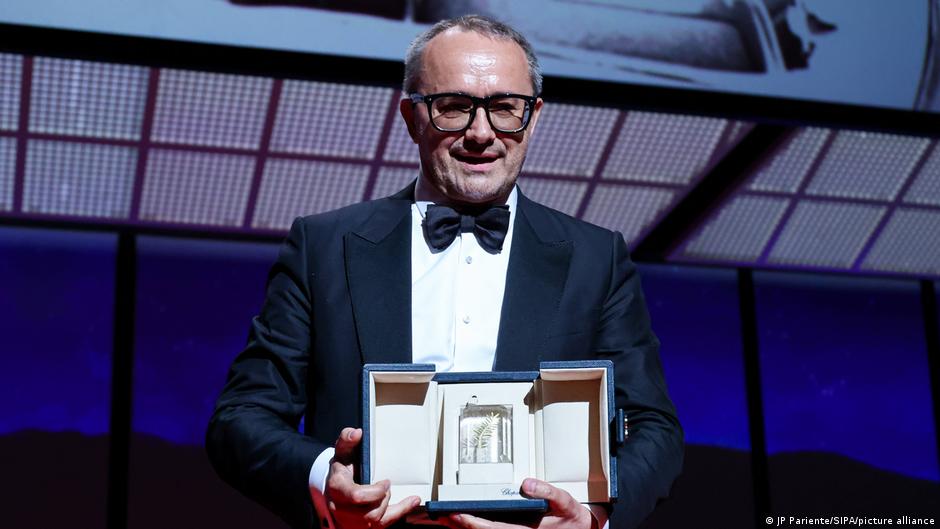
Financial markets on Wall Street are adjusting to heightened geopolitical tensions following recent public calls to end the conflict in Ukraine by Russian filmmaker Andrei Zvyagintsev, who won the Cannes Grand Prix. His anti-war message, and its subsequent dismissal by the Kremlin, have contributed to increased volatility in specific sectors and influenced investor sentiment.
Sector Rotation and Trading Volume Shifts Amid Rising Uncertainty
Zvyagintsev’s public appeal to Russian President Vladimir Putin to halt the ongoing war in Ukraine has added to the already complex geopolitical landscape impacting global equity markets. The statement, made during the Cannes Film Festival, was met with applause internationally but was rejected domestically by Kremlin spokesperson Dmitry Peskov, who refused to convey the message to Putin.
This refusal and the broader political context have prompted a cautious stance among investors, leading to noticeable sector rotations on Wall Street. Energy stocks, often sensitive to geopolitical developments involving Russia, saw initial spikes in trading volumes due to concerns over potential supply disruptions. Conversely, sectors linked to international trade and emerging markets showed signs of downturn as risk aversion increased.
“Investors are recalibrating their portfolios, balancing exposure between safe havens and sectors vulnerable to geopolitical shocks,” noted an equity analyst at a leading financial institution.
Technology and defense sectors have observed mixed trading patterns. Defense stocks experienced moderate gains, reflecting expectations of sustained geopolitical instability, while technology shares faced pressure amid anticipated supply chain uncertainties linked to sanctions and international tensions.
Equity research reports highlight the delicate balance between escalating geopolitical risks and global economic recovery prospects. Analysts emphasize the importance of closely monitoring diplomatic developments as they directly influence commodity prices, market liquidity, and corporate earnings forecasts.
Despite the Kremlin’s dismissal of Zvyagintsev’s anti-war appeal, the filmmaker’s statement underscores the underlying socio-political pressures that can eventually drive policy shifts affecting the markets. The increased trading volumes and sector rotations on Wall Street reflect the intersection of political narratives and investor behavior in an increasingly interconnected global environment.
As the conflict continues with no clear resolution, market participants remain vigilant, adjusting strategies to navigate the uncertainties. The evolving situation serves as a potent reminder of how geopolitical events can rapidly reshape market dynamics and investor confidence.