Greek Visa Denials to Russian Tourists Surge, Impacting Travel and Market Sentiment
Massive increase in Schengen visa rejections by Greece for Russian citizens signals tightening EU travel policies amid geopolitical tensions.
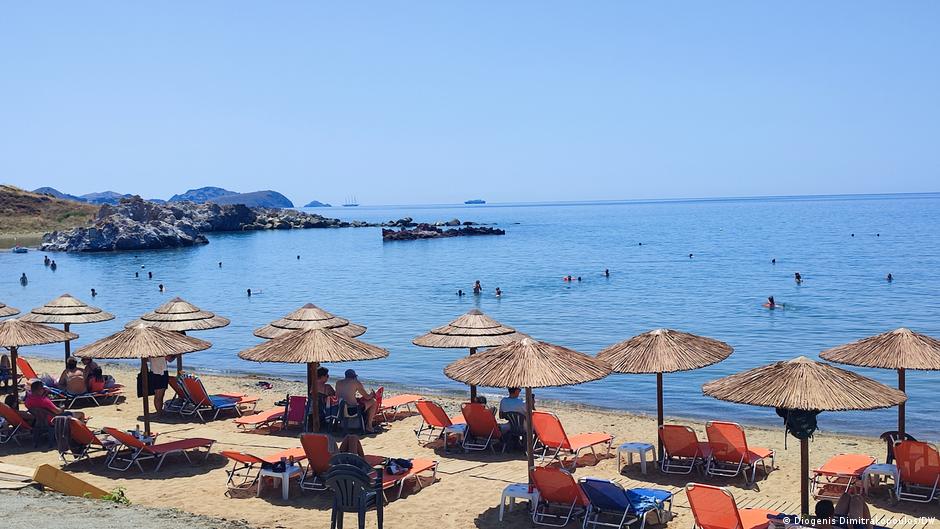
Greece has significantly increased the denial of Schengen visas to Russian citizens, with refusal rates reaching up to 50% among clients of some Russian tour operators and nearly 70% among independent travelers. This development presents notable implications for travel-related equities and could influence sector rotation within the broader market.
Visa Restrictions and Market Repercussions
According to recent reports, the Association of Russian Tour Operators (ATOR) highlighted that the volume of visa refusals by Greek authorities is unprecedented, particularly during the peak tourist season. Some travelers with fully paid trips and confirmed accommodations were still denied entry, including applicants with strong financial credentials and property ownership in Russia.
“Direct refusals in such quantities had not been observed previously,” noted a representative from a Russian travel company, underscoring uncertainty about the underlying causes.
Statistical data from 2025 shows Greece issued approximately 59,000 visas to Russian citizens, with 41.6% being multiple-entry visas. However, refusals accounted for 11.2% of applications, nearly double the Schengen average of 6.4%. Total Schengen visas granted to Russians rose by 10% to over 620,000, yet the share of multiple-entry visas plummeted from 57% to 12% following stricter European Commission regulations initiated in November 2025.
The European Commission banned the issuance of multiple-entry visas to Russians citing security concerns linked to the ongoing conflict in Ukraine. This policy change has compelled Russian travelers to apply for visas more frequently, creating uncertainty and potential disruption in travel demand.
Countries such as France, Italy, and Spain accounted for nearly 75% of all Schengen visa applications from Russia. While Italy reduced visa grants by 5.8% and Spain’s numbers remained steady, France increased issuance by almost 30%, providing approximately 173,000 visas to Russian citizens in 2025.
Sector Rotation and Trading Volume Insights
The surge in visa denials, particularly by Greece—a popular destination for Russian tourists—may dampen travel demand, directly affecting European travel and hospitality stocks. Investors may consider rotating out of tourism-heavy sectors linked to the Mediterranean region in favor of more resilient areas amid geopolitical uncertainties.
Trading volumes in companies operating tour services, airlines, and hospitality sectors with significant exposure to Russian clientele may experience volatility. Equity research teams are likely to revise earnings forecasts downward for these firms due to diminished travel flows and increased regulatory risks.
Analysts emphasize monitoring visa policy developments and geopolitical dynamics closely, as they directly influence cross-border tourism volumes, consumer spending in leisure sectors, and airline capacity utilization.