Drone Strikes Hit Rosneft-Linked Refinery as Ozon Warehouse Damaged
Overnight attacks on Russian energy, aviation and logistics assets put oil refining, e-commerce infrastructure and defense-linked industry in market focus.
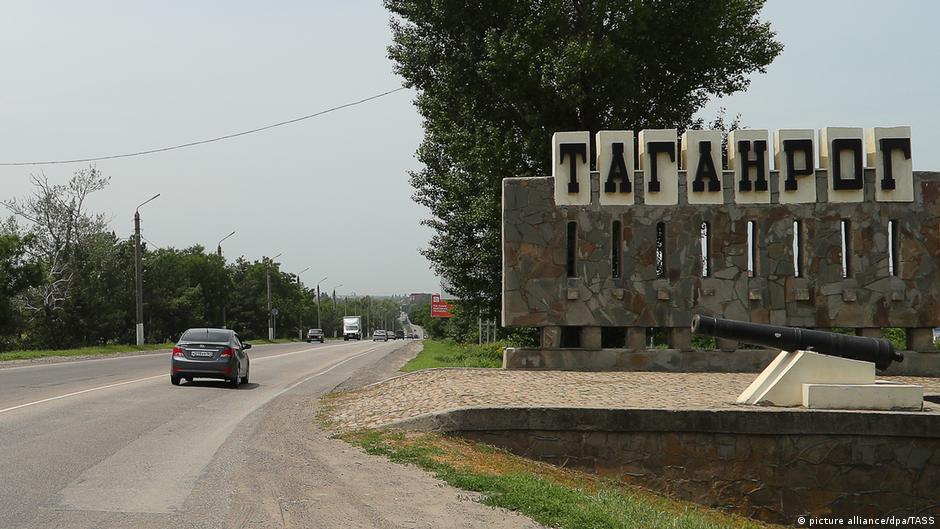
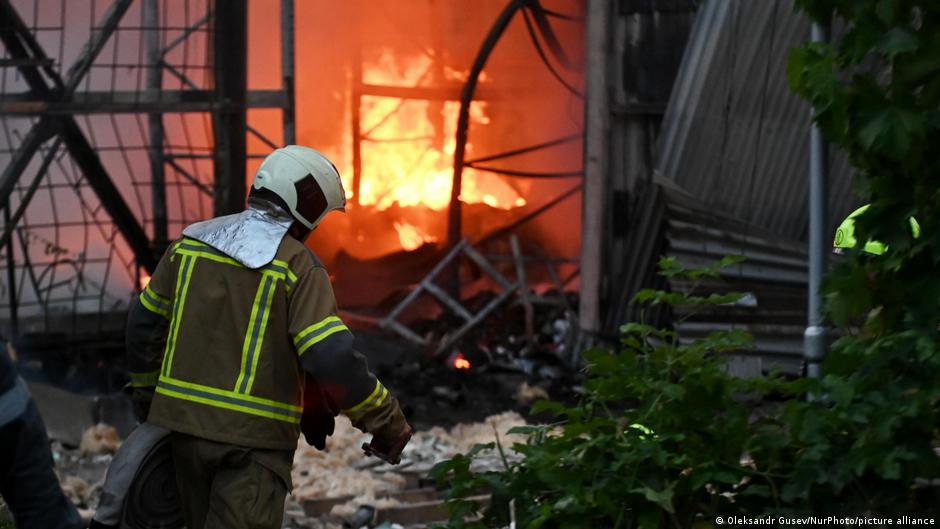
Ukrainian overnight attacks set fire to the Syzran oil refinery in Russia’s Samara region and caused damage across Taganrog in the Rostov region, including at a warehouse operated by e-commerce company Ozon, according to regional officials and Ukrainian monitoring channels. For equity investors, the incidents add another point of pressure on Russian energy infrastructure, logistics assets and defense-linked industrial facilities at a moment when markets are already sensitive to disruption risk around the war.
Vyacheslav Fedorishchev, the governor of the Samara region, confirmed damage at “one of the industrial enterprises” after a drone attack on the morning of Tuesday, September 15. He said military units and mobile fire groups had been shooting down Ukrainian drones throughout the night, with more than 40 unmanned aerial vehicles hit in total. According to the governor, there were no fatalities, though windows were blown out in several residential buildings. An operational headquarters is working in the region.
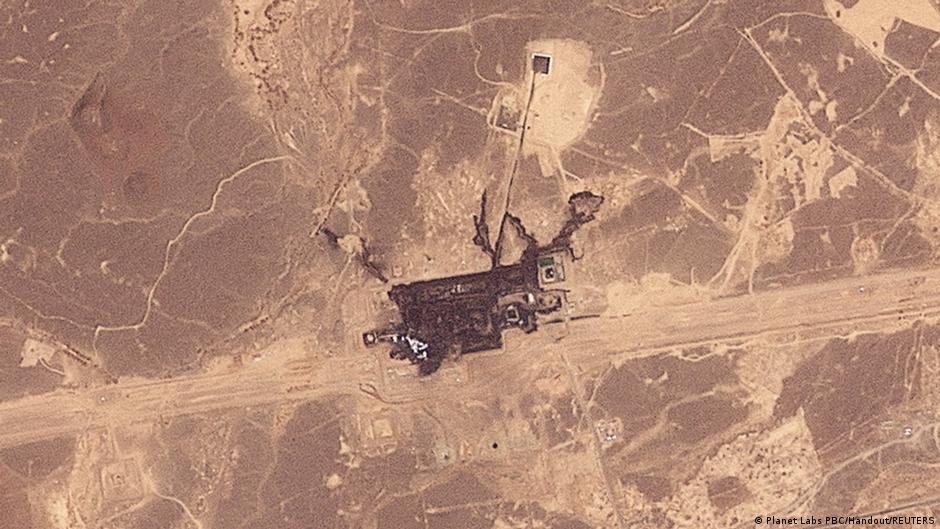
Ukrainian monitoring channel Exilenova+ reported that the target was the Syzran refinery, which is part of Rosneft’s structure, and that an oil tank caught fire. The Russian outlet Astra said OSINT analysis confirmed the information, stating that at least one fire site was located in the tank farm area. The Syzran refinery has repeatedly been a target of strikes by Ukraine’s armed forces and is among the largest oil-processing enterprises in the Samara region.
Energy Assets Remain Central to War-Risk Pricing
The attack keeps Russian refining capacity in the foreground for investors tracking the energy sector. Rosneft-linked assets have been a recurring focus because refinery disruptions can affect perceptions of fuel supply, export reliability and the resilience of Russia’s downstream energy system. The source material does not provide output, repair-cost or insurance figures, and authorities did not publicly quantify the industrial damage. That leaves equity research desks with limited hard numbers, but the direction of risk is clear: physical infrastructure remains exposed to repeated attacks, and each incident can influence how traders assess operational continuity across the sector.
Exilenova+ also reported that a missile alert was declared overnight in the Volgograd region and that explosions occurred at the Sebryakovsky cement plant in the city of Mikhailovka. However, neither regional authorities nor Russia’s Ministry of Defense reported the destruction of drones or missiles over that region. Without official confirmation of damage or operational disruption there, investors are left to treat the Volgograd reports as a monitoring-channel signal rather than a quantified company-level event.
Taganrog also came under attack during the same night. Rostov region governor Yuri Slyusar described a massive missile attack that caused “multiple consequences on the ground.” He said several fires broke out and that there were no injured or dead. According to his later statements, the missile attack damaged an Ozon warehouse, warehouses belonging to agricultural enterprises, a grocery store, glazing in two apartment buildings and three private homes, an educational institution, a commercial building and a gas pipe.
Regional officials reported no fatalities in Samara, Rostov or Voronezh regions, while confirming damage to industrial, commercial and residential sites.
For market participants, the mention of Ozon is notable because it links the overnight attacks not only to energy and defense-related industry but also to Russia’s consumer internet and logistics space. The governor’s statement identified damage to a company warehouse, but did not specify the extent of the damage, whether fulfillment operations were interrupted, or whether inventory losses occurred. As a result, any equity-market reaction would likely depend on follow-up disclosures from the company or local authorities rather than on the initial report alone.
Defense-Linked Sites Draw Attention in Taganrog
Ukrainian monitoring channels reported that the main targets in Taganrog were the Beriev Taganrog Aviation Scientific and Technical Complex and the Taganrog Automobile Plant, known as TagAZ, which they said is used for military purposes. The Russian regional statements cited damage across civilian and commercial property but did not confirm those facilities as targets. The distinction matters for analysts: confirmed hits on aviation repair or military-use production sites would carry a different read-through for the defense-industrial base than collateral damage around warehouses and urban infrastructure.
Slyusar later wrote that more than 30 drones and missiles were destroyed during the response to the attack on Rostov region, including in Taganrog and nine districts of the region. Firefighting continued in Taganrog, he added. The persistence of fires after the strike suggests damage significant enough to require extended emergency response, but the source provides no estimate of economic losses, production downtime or insurance exposure.
In the Voronezh region, authorities also declared a drone threat. Governor Alexander Gusev later wrote that 16 drones had been destroyed “in the sky over Voronezh and seven districts of the region.” He said falling drone debris damaged glazing, roofs and facades of four private houses in one municipality. Preliminary information indicated there were no casualties.
Russia’s Ministry of Defense said it had destroyed 222 Ukrainian fixed-wing drones over the Oryol, Belgorod, Voronezh, Tula, Tambov, Bryansk, Rostov, Kursk, Lipetsk, Ryazan, Saratov, Samara, Kaluga and Ulyanovsk regions, the Republic of Tatarstan, annexed Crimea and the Black Sea. The ministry’s statement underscored the geographic breadth of the overnight air threat, a factor that can weigh on sector rotation by keeping infrastructure-exposed names under closer scrutiny while pushing investors toward companies seen as less vulnerable to physical disruption.
The attacks followed comments by U.S. President Donald Trump, who said the previous day that Ukraine and Russia were ready to stop reciprocal strikes on energy facilities. Ukrainian President Volodymyr Zelensky later confirmed on Telegram that Kyiv agreed to an energy ceasefire if Russia observed it. Moscow did not comment on Trump’s remarks. For Wall Street, that diplomatic backdrop is central: any credible reduction in attacks on energy assets could ease part of the geopolitical risk premium, while continued strikes would reinforce caution around Russian energy, logistics and defense-linked equities.