US Missile Defense Against Iranian Attack Spurs Sector Rotation on Wall Street
Successful interception of Iranian ballistic missiles targeting US forces triggers cautious market reactions and sector shifts on Wall Street.
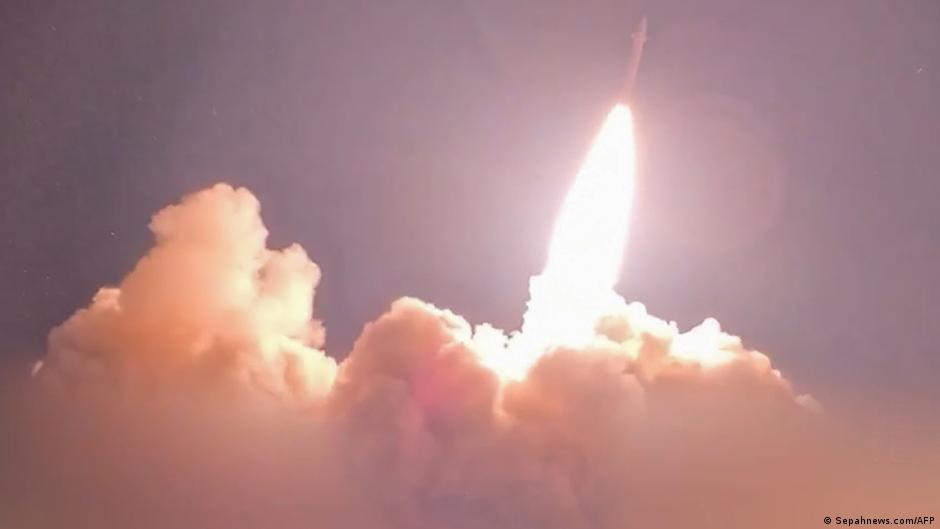
US military forces successfully intercepted several ballistic missiles launched from Iranian territory targeting American troops stationed in the Middle East, according to the US Central Command (CENTCOM). The incident marks a significant escalation in regional tensions, with potential implications for equity markets and sector performance on Wall Street.
The missile launches, described by CENTCOM as an "attempted surprise attack" by Iran's Islamic Revolutionary Guard Corps (IRGC), occurred overnight on July 29. Despite the aggressive move, all missiles were reportedly shot down, and US forces remain on high alert in the region.
Market Implications and Sector Rotation
The geopolitical flashpoint has prompted immediate reactions within equity markets, driving increased trading volumes particularly in defense, energy, and technology sectors. Investors are recalibrating risk exposure amid uncertainty about potential further conflicts and their broader economic repercussions.
Defense stocks such as Lockheed Martin, Raytheon Technologies, and Northrop Grumman experienced notable gains following news of the missile interception. Analysts attribute this rally to expectations of sustained or increased US military expenditures in the region. Conversely, sectors closely tied to global trade and energy, including airlines and shipping, saw volatility due to concerns over disruptions in the strategic Strait of Hormuz.
"The missile attack and subsequent US response underscore ongoing risks in the Middle East, fueling a sector rotation towards defense and energy stocks while dampening sentiment in global trade-dependent industries," said an equity research analyst covering geopolitical risk.
Since mid-July, the US had conducted nighttime strikes on Iranian military targets aiming to diminish Iran's ability to threaten commercial shipping lanes, particularly in the Strait of Hormuz. The IRGC had previously attacked tankers in this vital waterway, intensifying regional instability.
Following a period of escalation that included the deaths of three US service members and threats by former President Donald Trump of "multiple" retaliations, a temporary lull ensued as President Joe Biden's administration opted to postpone further large-scale strikes. This decision was influenced by concerns over dwindling missile interceptor supplies, such as those used in Patriot air defense systems, and the potential for global energy market disruptions.
Wall Street traders remain vigilant as the situation develops, balancing geopolitical risks against macroeconomic factors. Increased defense spending projections have led many portfolio managers to overweight defense equities. Meanwhile, energy companies are closely monitored for supply chain risks, given Iran's strategic location near essential oil shipping routes.
Overall, the missile interception incident has catalyzed a subtle sector rotation on Wall Street, reflecting heightened uncertainty but also targeted opportunities in defense and energy sectors.