Ukraine Loses Fourth F-16 Fighter Jet Amid Ongoing Conflict Impacting Market Sentiment
The Ukrainian Air Force has lost its fourth F-16 fighter jet, raising concerns over military supply stability and influencing defense sector stocks.
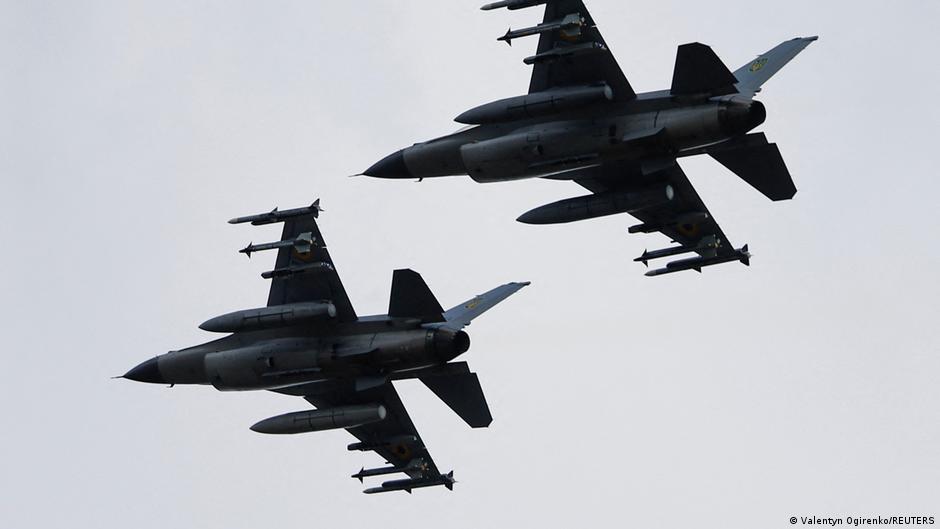
On July 29, 2025, the Ukrainian Air Force suffered the loss of its fourth F-16 fighter jet during a combat mission on the front lines. The pilot ejected safely and is currently undergoing medical evaluation, with no civilian casualties reported at the crash site. This incident underscores the ongoing operational risks faced by Ukraine's air defense amid continued hostilities with Russia.
Impact on Defense Stocks and Sector Rotation
Ukraine's F-16 fleet, supplied by a coalition of European countries led by Denmark and the Netherlands, has been integral to its air defense strategy since their delivery began in August 2024. Initially, Ukraine received 10 multi-role F-16 aircraft, with plans to acquire 20 more by the end of 2024 and increase the total to 79 units by 2025. Ukrainian pilots underwent training in the United States, emphasizing the strategic importance of these fighters.
However, the repeated losses of F-16 aircraft — the first lost in August 2024 during a major Russian missile strike that claimed pilot Alexey Mesy’s life, the second in April 2025 with pilot Pavel Ivanov also killed in action, and a third in May 2025 during drone attack defense — have raised concerns among investors. Each loss is a significant operational setback and a sensitive blow to Ukraine's air defense capabilities.
From a market perspective, these developments are influencing sector rotation and trading volumes, particularly in defense contractors and aerospace companies linked to military aircraft production and maintenance. Analysts note a cautious stance emerging among equity investors, given the heightened risks and uncertainties surrounding military asset sustainability in conflict zones.
"The continued attrition of Ukraine's advanced fighter jets represents not only a tactical challenge but also influences investor confidence in defense stocks tied to ongoing conflicts," said an equity research analyst following the sector.
Trading volumes in defense-related equities have shown increased volatility as market participants weigh geopolitical risks against potential contract renewals and government military spending. The situation also reinforces the importance of diversification within portfolios exposed to the defense sector.
Looking ahead, the evolving military dynamics in Ukraine could prompt further reassessments of sector outlooks, especially if additional losses impact frontline capabilities or delay planned equipment deliveries. Investors and analysts will be monitoring both the operational status of Ukraine's air assets and broader geopolitical developments that could affect equity valuations.