Russian Missile and Drone Attacks on Ukraine Trigger Market Volatility and Sector Rotation
Recent Russian strikes across multiple Ukrainian cities impact investor sentiment, affecting defense stocks, energy sectors, and trading volumes on Wall Street.
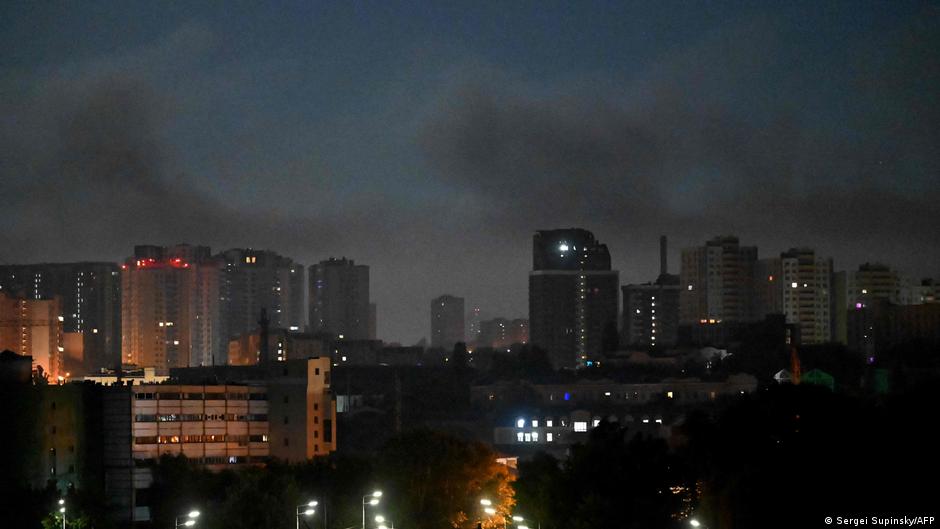
On the night of July 30, Russian forces launched coordinated missile and drone attacks on Ukrainian cities, including Kyiv, Lviv, Kharkiv, and Kryvyi Rih, resulting in civilian casualties and infrastructure damage. These developments have reverberated through global financial markets, prompting notable sector rotation and shifts in trading volumes on Wall Street.
Market Reaction to Escalating Conflict
The missile and drone strikes by Russia have intensified geopolitical tensions, driving investor caution. Defense sector equities exhibited immediate gains as markets priced in increased demand for military hardware and defense services. Conversely, sectors sensitive to geopolitical instability, such as energy and industrials, experienced mixed responses amid concerns over supply chain disruptions and escalating conflict costs.
"The unfolding crisis underscores the need for robust defense capabilities, influencing portfolio reallocations toward security-focused equities," noted an equity analyst specializing in geopolitical risk.
Trading volumes surged particularly in defense-related stocks, reflecting heightened investor interest. Companies involved in missile defense systems, surveillance drones, and cybersecurity solutions saw increased activity. The anticipation of prolonged conflict spurred analysts to revise earnings forecasts for key players in the defense industry.
Simultaneously, the energy sector displayed volatility as concerns over regional stability affect global oil and gas markets. While Ukraine is not a major energy exporter, the conflict raises apprehensions about supply chain reliability and potential sanctions escalation, influencing energy equities and commodities trading.
Sector Rotation and Equity Research Outlook
Investors demonstrated rotation from growth and tech stocks towards traditionally defensive sectors amid the geopolitical uncertainties. Financial institutions and large-cap technology firms experienced moderate declines, while defense contractors and utility companies attracted inflows.
Equity research reports emphasize cautious optimism. Analysts highlight that while defense stocks may benefit in the short term, prolonged conflict poses risks to broader economic stability and corporate earnings across multiple sectors.
President Volodymyr Zelensky’s appeal to Western partners for enhanced missile defense support, particularly referencing U.S.-supplied Patriot systems, has been closely monitored by market participants. This underscores potential increased military aid from NATO countries, which could sustain defense sector momentum on the exchanges.
Market participants are advised to monitor developments closely, as further escalations or diplomatic resolutions will continue to influence sectoral performance and investor sentiment on Wall Street.