US to Cut NATO Combat Aircraft and Naval Assets, Impacting Defense Sector Stocks
Washington plans significant reduction in fighter jets and naval presence in Europe, signaling shifts in defense industry dynamics and market reactions.
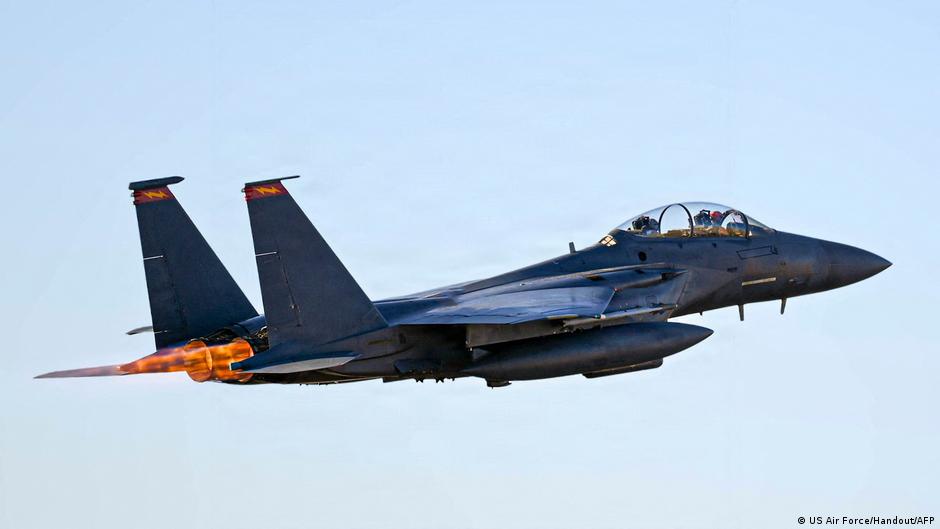
The United States is set to reduce its provision of combat aircraft and naval assets to NATO operations in Europe, a move that could reverberate across defense sector stocks and influence sector rotation on Wall Street.
Details of the US Military Reduction
According to reports referencing high-level European officials, the US plans to cut the number of fighter jets supplied to NATO by one-third. Specifically, the number of F-16 and F-15E fighters deployed is expected to decrease from approximately 150 to about 100. Additionally, the number of maritime reconnaissance aircraft will drop from 26 to 15.
Besides aerial assets, the US will withdraw all eight aerial refueling aircraft currently stationed in Europe and reposition key naval units, including a ballistic missile submarine, an aircraft carrier, several warships, and dozens of aircraft associated with the carrier's missions.
"This decision will limit NATO’s ability to conduct long-range strikes and surveillance," the report highlighted, emphasizing the strategic impact of the withdrawal.
The process is anticipated to commence imminently, earlier than European partners had anticipated, according to the reporting. This realignment aligns with a broader US strategic pivot toward the Indo-Pacific region, as revealed by a confidential 11-item list shared with NATO outlining the cuts.
Market Implications and Sector Rotation
This significant drawdown is expected to have multi-layered effects on equity markets, particularly within the defense sector. Stocks of companies heavily involved in manufacturing fighter jets, naval vessels, and associated military hardware may experience pressure due to anticipated lower demand from NATO-related contracts.
Investors should watch for changes in trading volumes and price fluctuations among defense contractors supplying the effected categories of equipment. Equity research teams may revise forecasts downward for firms with prominent exposure to European military spending, while companies focusing on Pacific defense markets could see increased interest.
Moreover, the US is seeking proposals from European allies ahead of the June Force Sourcing Conference to identify which countries can compensate for the reduction in American military contributions. This redistribution of responsibility could generate new procurement opportunities for defense firms based in or aligned with European nations.
The planned withdrawal also includes the removal of one of four US combat brigade groups in Europe, reducing troop presence to levels last seen in 2021. Given that a combat brigade group comprises between 4,000 and 5,000 soldiers, this marks a notable decrease in personnel, which could affect defense logistics and support service providers.
Overall, this strategic rebalancing by the US military is poised to reshape NATO’s operational capabilities and influence defense sector equities as investors recalibrate risk and opportunity amid shifting geopolitical priorities.