US Support for Vessels in Strait of Hormuz Alters Shipping Dynamics Amid Iran Tensions
U.S. covert assistance to commercial ships navigating the Strait of Hormuz impacts shipping volumes and sector dynamics amid ongoing Iran tensions.
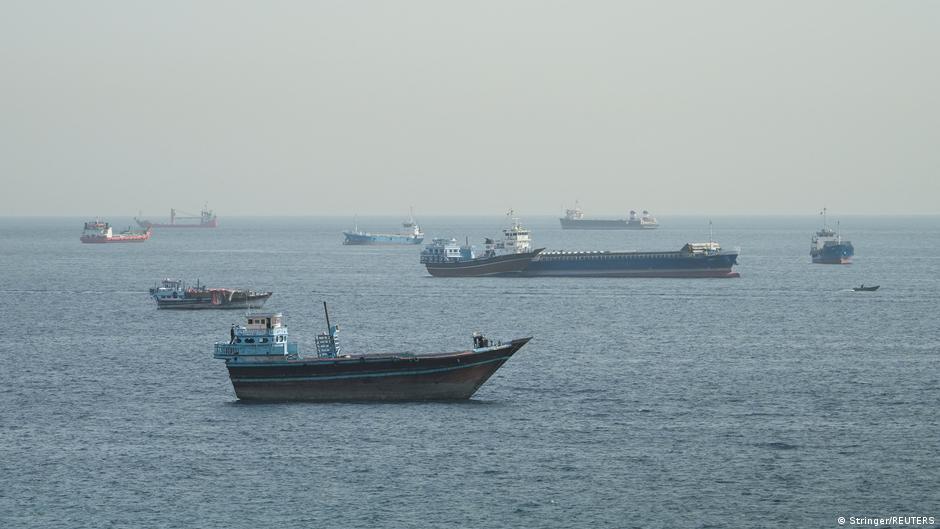
In the past three weeks, the U.S. Central Command (CENTCOM) has covertly assisted approximately 70 commercial vessels navigating the Strait of Hormuz, a vital maritime chokepoint currently contested by Iran, according to reports from anonymous U.S. officials.
The majority of these ships transited the strait with their transponders switched off, a tactic used to avoid detection and possible hostile actions by Iranian forces. Officials declined to specify exact timings or routes but noted that at least one operation was conducted far from the Iranian coastline to minimize the risk of attacks, which are considered "almost guaranteed" if vessels attempt passage near Iranian shores without authorization.
Market and Sector Implications
The number of ships receiving U.S. assistance is significantly lower than pre-conflict traffic volumes. Before Washington's military engagement with Tehran, over 100 commercial ships used the strait daily. Current figures indicate only about three daily transits reported by CENTCOM, signaling a sharp contraction in shipping activity through the region.
This shift has ripple effects across global energy and maritime sectors. The Strait of Hormuz remains a critical transit point for roughly a third of the world's seaborne oil trade. Reduced traffic and heightened geopolitical risk are driving increased volatility in energy stocks, particularly those of tanker operators, shipping logistics companies, and oil producers dependent on Middle Eastern supply routes.
Analysts note a sector rotation towards alternative energy transport routes and increased investment in insurance and security services within the maritime logistics space. Trading volumes for stocks linked to Middle Eastern oil and shipping have seen notable fluctuations as market participants weigh the ongoing risk of disruptions.
"The covert nature of U.S. assistance reflects a complex balance: encouraging commercial shipping while mitigating the risk of escalation in the region," said a maritime equity research analyst. "Investors are closely monitoring developments as they recalibrate risk exposure in energy and transport sectors."
While the U.S. has not openly publicized this support to avoid further Iranian provocations, it paused a publicly announced operation called "Project Freedom" earlier in May. This program was designed to facilitate safe passage for vessels but has since been quietly supplanted by CENTCOM’s low-profile assistance without direct naval escort.
Meanwhile, more than half of the 895 ship transits recorded from March 1 to May 19 have been conducted with coordination from Iranian authorities, according to maritime data company Kpler. Approximately 40% of vessels chose "dark" routes with transponders off, reflecting a mix of compliance and risk avoidance strategies by operators.
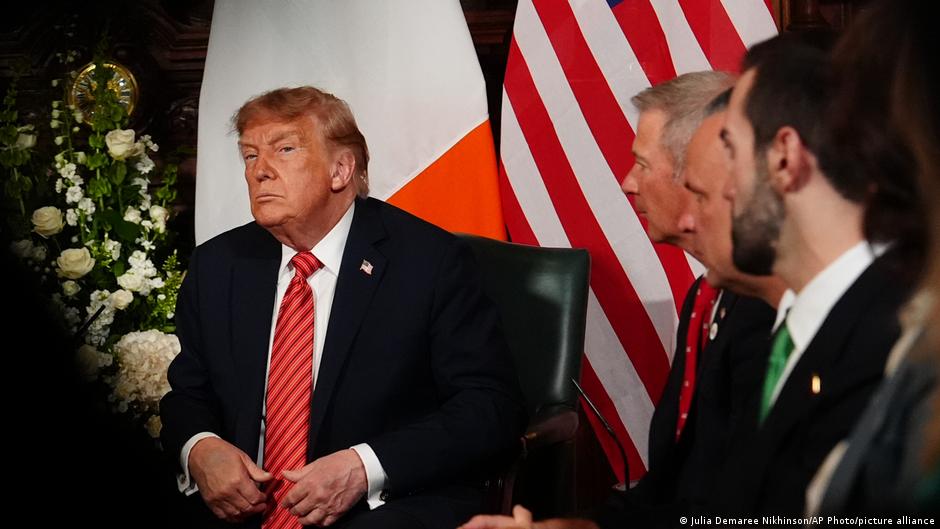
The ongoing blockade and mutual restrictions in the Strait of Hormuz, including Iran’s demand for passage coordination and the U.S. prohibition on tankers entering Iranian ports, continue to shape trading patterns and stock market sentiment. Recent reports suggest tentative progress in diplomatic negotiations, but President Trump has made clear his support hinges on Iran abandoning nuclear weapons ambitions, leaving the overall geopolitical risk unresolved.