U.S. Strikes Five Iranian Oil Tankers as Hormuz Risk Returns to Markets
CENTCOM said the vessels were tied to an IRGC shadow network, sharpening Wall Street focus on oil, shipping, defense and Gulf-exposed equities.
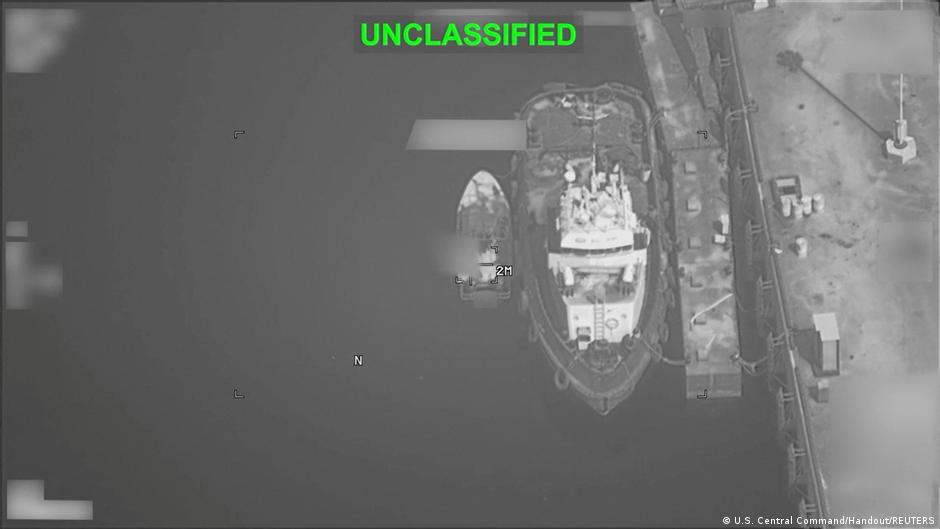
U.S. forces destroyed five Iranian oil tankers on Tuesday, September 8, after the Islamic Revolutionary Guard Corps twice attacked a U.S. Navy ship with ballistic missiles over the previous two days, according to U.S. Central Command. The incident adds a fresh geopolitical shock for Wall Street at a time when investors are already watching the Strait of Hormuz, energy supply risk and the durability of global shipping routes.
CENTCOM said the U.S. Navy ship successfully evaded the attempted Iranian attacks and continued patrolling regional waters. No U.S. personnel were injured, the command said. The destroyed vessels were identified as the IRGC oil tankers M/T Kaviz, M/T Charminar, M/T Horizon 1 and M/T Riesco in the Gulf of Oman, along with the M/T Derya near Kharg Island in the Persian Gulf.
U.S. forces instructed crews to leave the ships before they were struck and disabled, CENTCOM said. The command described the tankers as part of a multibillion-dollar Iranian “shadow” network used to finance the IRGC and its regional proxies. U.S. military officials also said Tehran lacks the resources to protect those vessels.
U.S. forces instructed crews to abandon the vessels before they were hit and disabled, according to CENTCOM.
For markets, the immediate issue is not only the loss of five specific tankers but the signal that military activity around Iran’s energy export routes has resumed after a short lull. The Strait of Hormuz remains central to global oil flows, and any contest over control of the passage can quickly feed into equity positioning across energy producers, tanker operators, refiners, airlines and defense contractors.
Energy and Shipping Risk Reprice
The latest strikes follow an earlier CENTCOM operation on September 5, when U.S. forces destroyed three Iranian oil tankers after the IRGC attempted to attack a U.S. aircraft carrier and a guided-missile destroyer. Together, the actions point to a more active phase of the conflict around maritime assets and energy infrastructure, a setup that typically supports higher geopolitical risk premiums in crude and related equities.
Stock Press readers will be watching integrated oil majors, exploration and production companies, oilfield service providers and marine transportation names for evidence of renewed sector rotation. A sustained rise in perceived supply risk around the Persian Gulf can benefit upstream energy shares, while pressuring fuel-sensitive sectors such as airlines, cruise operators, trucking and chemicals. Refiners may face a more complicated setup, depending on crude input costs, product margins and regional supply dynamics.
Tanker equities and maritime insurers are also likely to draw attention. The U.S. statement that the vessels were part of a shadow network underscores the market’s sensitivity to sanctions enforcement, vessel availability and risk premiums for shipping through Gulf waters. Even without new public figures on cargo volumes or insurance rates, the operational risk around routes near the Gulf of Oman, Kharg Island and the Strait of Hormuz gives traders a clear catalyst to reassess exposure.
Trading volumes may concentrate in energy exchange-traded funds, defense shares and transportation stocks if investors treat the strikes as a fresh escalation rather than an isolated military action. In previous geopolitical episodes, the first market reaction has often been visible in crude futures and energy shares, followed by a broader evaluation of inflation expectations, consumer discretionary exposure and central bank policy assumptions. The source statement does not provide market prices, but the sector map for investors is straightforward: oil supply risk rises, shipping risk rises, and fuel-cost risk rises for downstream consumers.
Defense Stocks and Research Desks in Focus
The military details are also relevant for defense and aerospace investors. CENTCOM said the attacks on the U.S. Navy ship involved ballistic missiles, while prior Iranian actions included attempted attacks on a U.S. carrier and missile destroyer. That keeps investor focus on missile defense systems, naval protection, surveillance, drones and regional base security. Equity research desks are likely to frame the episode as another data point supporting demand for advanced defense capabilities, though the source material does not identify contractors or procurement changes.
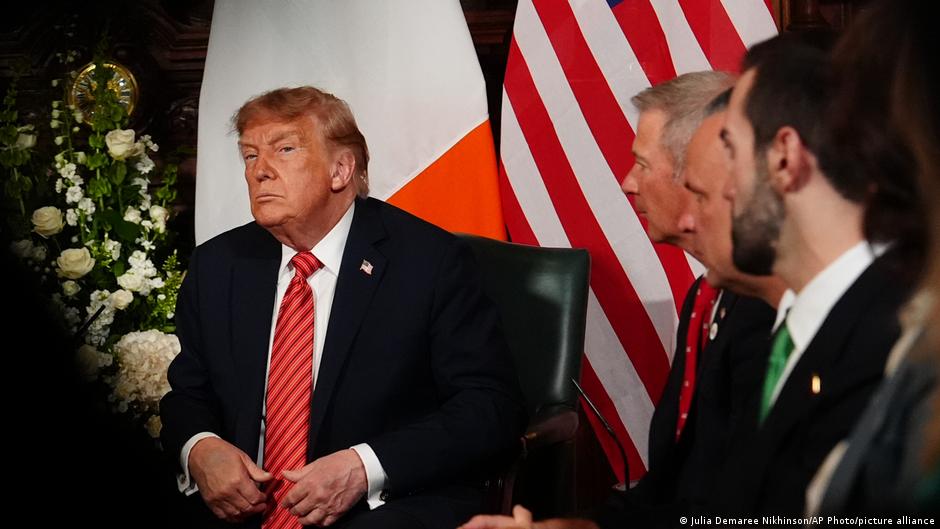
The broader policy background remains important. U.S. forces had not struck Iran since late July before the latest series of actions. President Donald Trump had explained the pause as an effort to continue negotiations with Tehran over the fate of the Strait of Hormuz, sanctions and Iran’s nuclear program. That context matters for investors because it shows the market is not only pricing military events but also the probability of negotiation, de-escalation or a wider confrontation.
The first U.S. strike after the month-long pause occurred on August 30, when the United States hit two Iranian missile launchers on Larak Island in the Strait of Hormuz. Tehran later said it carried out retaliatory attacks on U.S. targets in the United Arab Emirates. According to the Russian-language source, dozens of drones attacked “American helicopters and personnel at Al Minhad base” in the UAE.
The Strait of Hormuz, a key route for global oil supplies, remains one of the main points of dispute in the U.S. and Israeli war against Iran. Before hostilities began in late February, the passage was open to shipping. Today, both Iranian and U.S. armed forces claim control over it, creating a persistent overhang for energy markets and Gulf-linked assets.
For equity investors, the market question is whether the tanker strikes remain a tactical military episode or develop into a sustained campaign against Iranian maritime logistics. The former may produce short-lived moves in oil and defense-linked shares; the latter could force a broader repricing of supply chains, transport costs and risk premiums across multiple sectors. Until the status of Hormuz becomes clearer, Wall Street is likely to keep Gulf exposure near the top of its geopolitical risk dashboard.