US Senate Advances Resolution to Limit Military Action Against Iran Amid Market Uncertainty
Senate moves to require Congressional approval for US military engagement with Iran, influencing defense stocks and sector rotation on Wall Street.
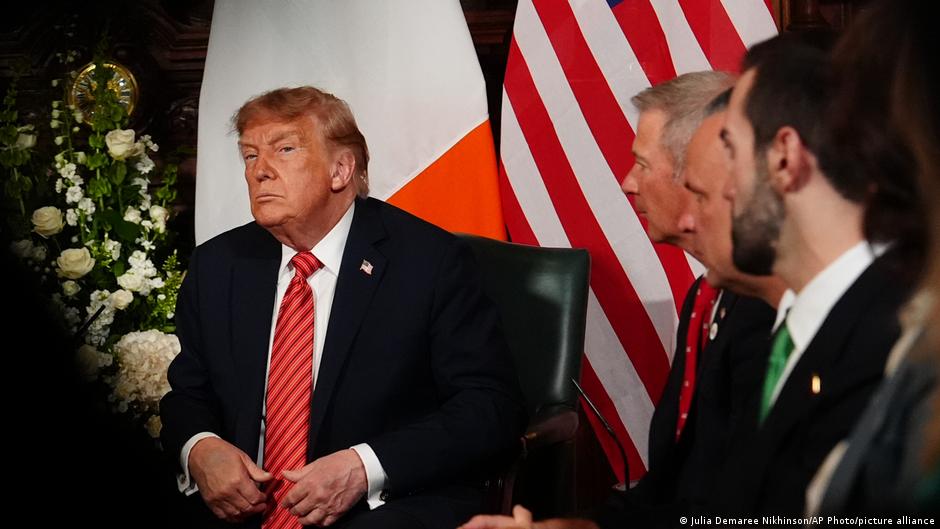
The United States Senate has taken a significant step toward curbing presidential authority over military actions against Iran. On May 19, the Senate voted 50 to 47 to advance a resolution that would compel President Donald Trump to either cease hostilities against Iran or seek formal Congressional authorization before continuing military operations.
Implications for Markets and Trading
This development follows months of blocked attempts to bring the resolution to a vote, primarily by Republican opposition. The resolution's progression has introduced new layers of uncertainty in sectors directly tied to defense and geopolitical risk, with investors closely monitoring potential shifts in US foreign policy. Wall Street has seen notable activity in defense-related equities, as the potential limitation on military engagement could affect defense contractor revenues and government spending priorities.
"This is the perfect moment to have a conversation before we start another war," said Senator Tim Kaine, emphasizing the need for Congressional oversight amid a fragile ceasefire.
The Senate's move also impacts sector rotation, with some investors favoring traditionally defensive sectors over riskier plays given the geopolitical tensions. Trading volumes in defense stocks have increased as market participants weigh the implications of a possible curtailment of hostilities or an escalation dependent on Congressional approval.
Under the 1973 War Powers Act, the President is permitted to engage in military action for up to 60 days without explicit Congressional consent. On May 1, 2026, President Trump notified Congress that hostilities had ended; however, ongoing US operations, such as blockades and strikes on Iranian vessels, suggest continued conflict in practice. The resolution aims to clarify and enforce limits on such unilateral military actions.
Analysts from equity research firms have noted that uncertainty around US-Iran relations could result in volatility for defense sector stocks, as well as for energy markets sensitive to Middle Eastern stability. The resolution's potential to either de-escalate or prolong tensions will be a key variable guiding investor sentiment in the near term.
As the resolution moves forward, attention will focus on upcoming votes and the administration's response. Market watchers anticipate that any indication of Congressional restraint on military operations could temper risk premiums, while a rejection might sustain or increase geopolitical risk pricing.