US Sanctions on Cuban Oil Giant CUPET Heighten Market Uncertainty in Energy Sector
Washington’s sanctions on Cuba’s state oil company CUPET and key officials intensify geopolitical tensions, impacting energy stocks and sector rotation on Wall Street.
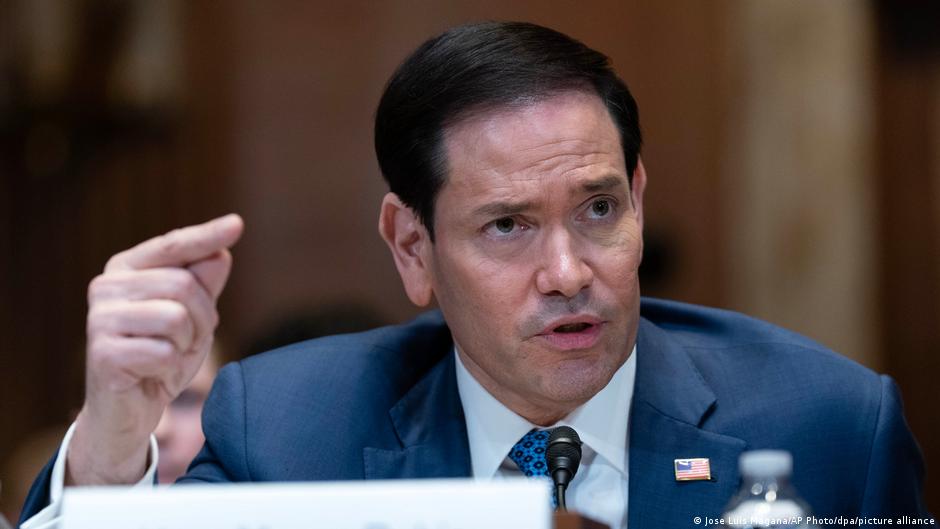
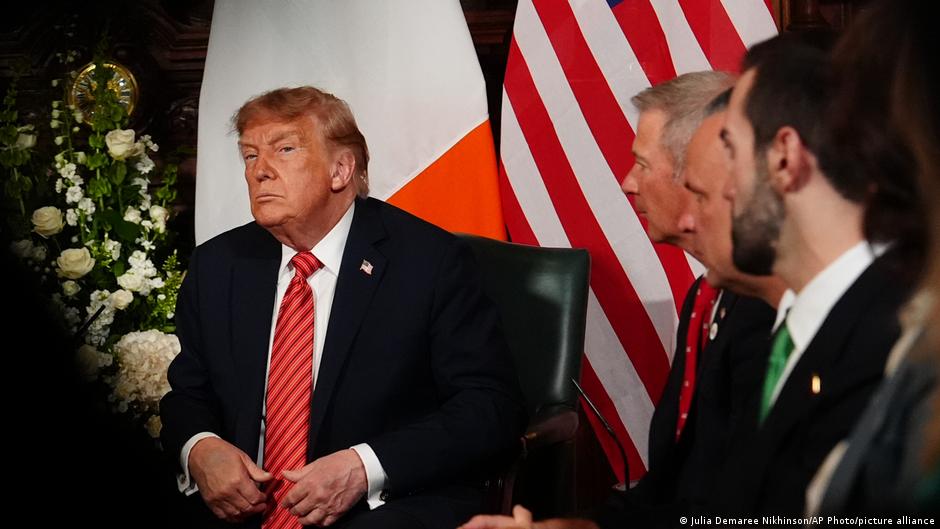
The US government has imposed sanctions on Cuba’s state-owned oil and gas company Union Cuba Petroleo (CUPET), escalating political tensions and introducing new volatility into energy markets. This move, announced by Secretary of State Marco Rubio, targets the backbone of Cuba’s energy sector, signaling Washington's intent to curb the communist regime’s economic leverage.
Market Implications of Sanctions on CUPET
By designating CUPET on the Specially Designated Nationals and Blocked Persons List, US authorities prohibit American citizens and companies from conducting business with the Cuban entity. The sanctions extend extraterritorially, warning non-US persons and companies of penalties should they engage with CUPET.
"The Cuban communist elite uses energy resources as tools for social control and kleptocratic gain," Rubio stated, underscoring the rationale behind the sanctions.
The announcement has sparked immediate market reactions. Energy sector stocks, particularly those with exposure to Latin American oil markets, have experienced increased trading volumes as investors reassess risk profiles. Sector rotation strategies among institutional investors show shifting emphasis from emerging market energy plays toward domestic and alternative energy firms.
Equity research analysts highlight that the sanctions may restrict Cuba’s access to crude oil imports and refining capabilities, given CUPET’s central role in the island’s energy infrastructure. This disruption threatens to exacerbate fuel shortages already intensified by Venezuela’s halted oil shipments after the US-supported removal of Venezuelan President Nicolás Maduro earlier this year.
Geopolitical Context and Broader Economic Effects
The sanctions against CUPET add to a series of US punitive measures targeting Cuban leadership, including sanctions on President Miguel Díaz-Canel and relatives of former Cuban leader Raúl Castro. These steps reflect Washington’s strategy to pressure Cuba into political and economic reforms.
The energy sector is particularly vulnerable due to Cuba’s dependence on imported oil and refining capabilities. With Cuba facing its worst economic crisis since the Soviet Union’s collapse, prolonged disruptions could lead to intensified resource scarcity, pushing further instability in the region.
Washington’s moves have triggered concerns among investors about potential contagion effects on Latin American energy markets and the sustainability of Cuban economic recovery prospects. The proximity of Cuba to Florida—only about 145 kilometers away—adds to geopolitical risk premiums priced into oil and energy equities.
Trading desks report a rise in derivative activity linked to Latin American energy indices as market participants hedge against potential supply chain interruptions. Analysts advise close monitoring of further US policy announcements that may influence the region’s energy trade flows.
In summary, the US sanctions against CUPET deepen geopolitical tensions and introduce new complexities for investors focused on energy stocks and Latin American markets. The unfolding sector rotation and heightened trading volumes underscore market sensitivity to political developments affecting global energy supply chains.