US Military Strikes on Iran Trigger Volatility in Defense Stocks and Sector Rotation on Wall Street
Renewed US-Iran conflict following Apache helicopter downing intensifies trading in defense and energy sectors amid geopolitical tensions.
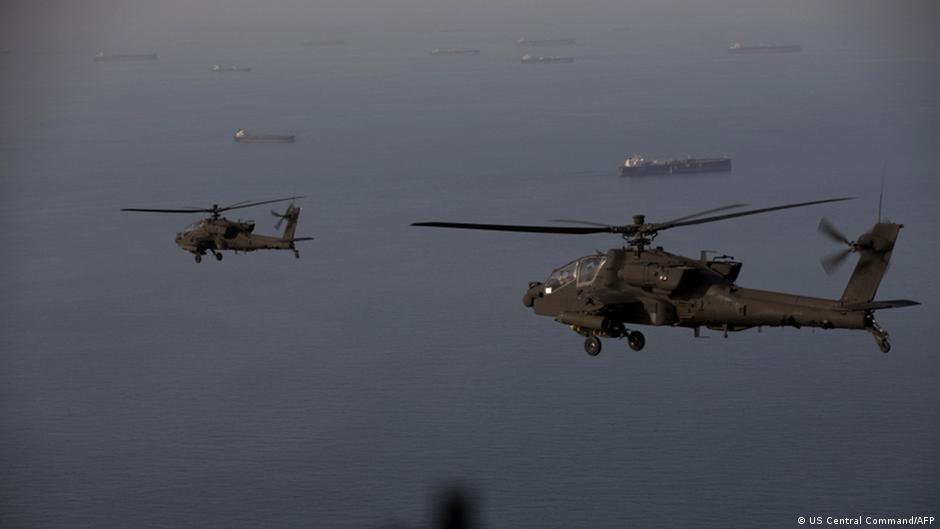
The United States military resumed strikes on Iranian targets on June 9, escalating tensions after Iran downed an American Apache attack helicopter over the Strait of Hormuz. This development has generated notable activity on Wall Street, particularly in defense-related stocks and sectors sensitive to Middle East instability.
Market Impact and Sector Rotation Amid Escalating US-Iran Conflict
The Central Command of the US Armed Forces described the operation as a "proportional response" to what it termed unprovoked Iranian aggression. Targets reportedly included Iranian air defense systems and radar stations near the strategic Strait of Hormuz, a critical oil transit route. News of explosions on Iran's southern coast near cities such as Sirik and Minab heightened investor concerns about regional stability.
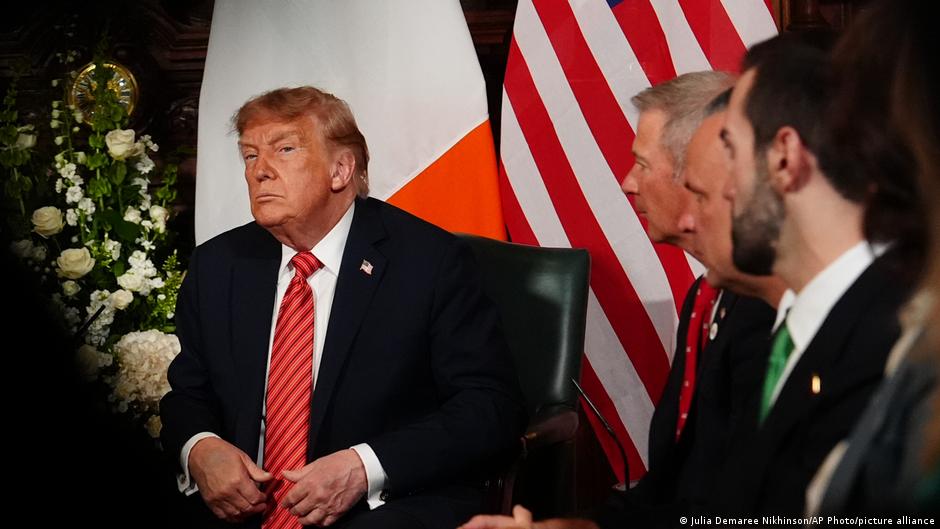
President Donald Trump characterized the military response as "very strong and powerful" in an ABC News interview, signaling the US government's firm stance. Concurrently, Iran's Foreign Minister Abbas Araghchi issued warnings against further US actions, emphasizing Iran's readiness to respond to any attacks.
"Our powerful armed forces will not leave any attack or threat unanswered," Araghchi stated on social media, underscoring the heightened geopolitical risk.
Following these developments, Wall Street witnessed increased trading volumes in defense contractors and aerospace firms, with investors seeking exposure to companies likely to benefit from increased military spending. Shares of major defense primes such as Lockheed Martin, Raytheon Technologies, and Northrop Grumman saw notable upticks in intraday trading.
Simultaneously, energy sector equities experienced volatility due to concerns that the conflict could disrupt oil supply routes through the Strait of Hormuz. Commodities traders responded with price spikes in crude oil futures, leading to increased market attention on oil & gas exploration and production companies.
Equity research analysts at several Wall Street firms revised their outlooks to reflect higher risk premiums in these sectors. Some research notes highlighted the potential for accelerated Pentagon procurement budgets if hostilities persist, while others warned of downside risks due to possible sanctions escalation and regional instability.
Trading volumes across major US exchanges spiked, reflecting heightened investor focus on geopolitical news flow. Sector rotation was evident as funds shifted away from growth-oriented technology stocks toward traditionally defensive sectors such as defense and energy. This reallocation illustrates the market’s sensitivity to international security developments and their impact on corporate earnings and supply chains.
The Pentagon confirmed the strikes concluded after targeting Iranian infrastructure, while Iran reportedly retaliated with missile and drone launches against US assets in the region. These tit-for-tat actions underscore the fragile security situation and the potential for prolonged conflict, which remains a focal point for equity investors monitoring global risk factors.
Despite the conflict escalation, President Trump also signaled ongoing diplomatic efforts, mentioning that a peace agreement with Tehran was within reach. This juxtaposition of military action and negotiation adds complexity to market sentiment, as investors weigh the prospects of de-escalation against immediate security risks.
In sum, the US military strikes on Iran following the Apache helicopter incident have triggered discernible shifts in equity markets, with amplified trading in defense and energy sectors, sector rotation favoring defensive assets, and heightened volatility reflecting uncertainty over geopolitical stability in the Middle East.