US Military Strike on Vessel Heading to Iran Raises Geopolitical Tensions Affecting Wall Street
US missile attack on ship enforces Strait of Hormuz blockade amid rising Middle East tensions impacting market sectors and trading volumes.
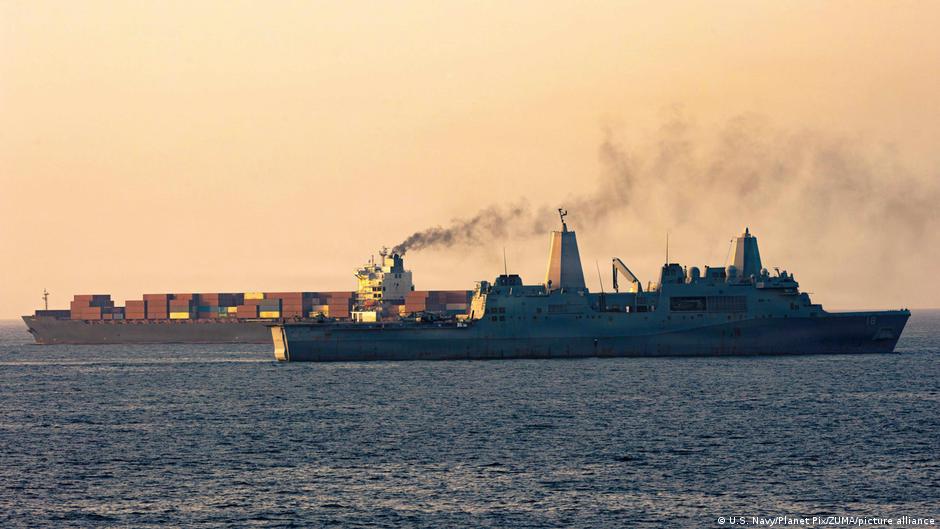
The recent US military action against a vessel bound for Iran in the strategic Strait of Hormuz has intensified geopolitical volatility, reverberating across global financial markets, including Wall Street. On May 30, the US Central Command (CENTCOM) reported that a US military aircraft launched a Hellfire missile disabling the ship Lian Star, which sailed under the Gambian flag despite over 20 warnings not to proceed toward Iranian ports.
The Lian Star was targeted in international waters within the Gulf of Oman as part of the US enforcement of the blockade on Iranian-related maritime traffic through the Strait of Hormuz. CENTCOM emphasized that the blockade, initiated in April following a fragile ceasefire between Washington and Tehran, has led to the disabling of five commercial vessels and rerouting of 116 others. Iran, in retaliation, has restricted passage for vessels linked to the United States.
Market Reaction and Sector Impact
This escalation has attracted attention from equity analysts and traders monitoring energy and defense sectors, traditionally sensitive to Middle East developments. The Strait of Hormuz, a critical chokepoint accounting for nearly 20% of global petroleum trade, means disruptions can trigger immediate price volatility in oil markets. Consequently, energy stocks, particularly those of major oil producers and pipeline operators, experienced increased trading volumes and price fluctuations in response to the announcement.
Furthermore, the defense sector showed notable gains amid heightened geopolitical risks. Shares of firms specializing in missile systems, military aircraft, and unmanned aerial vehicles (UAVs) rallied, reflecting investor anticipation of increased defense spending and procurement, especially following reports of damage to two US MQ-9 Reaper drones valued at approximately $30 million each during a recent Iranian missile attack on a US airbase in Kuwait.
"The ongoing conflict and military engagements in the Gulf region are driving a sector rotation, with investors favoring energy and defense stocks as geopolitical risks underscore the need for strategic asset allocation," noted an equity research analyst specializing in geopolitical risk assessment.
However, the heightened tensions have also contributed to cautious trading in sectors more vulnerable to global instability, such as consumer discretionary and industrials, which may be impacted by possible supply chain disruptions and increased insurance costs.
Diplomatic Developments and Market Outlook
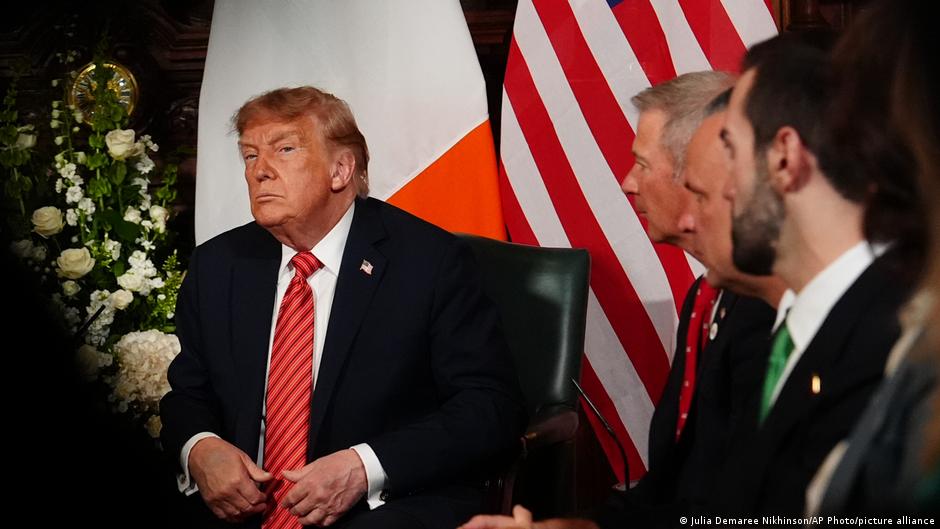
Diplomatic negotiations between the US and Iran continue in parallel, with recent reports suggesting a preliminary framework agreement aimed at resolving the conflict. Nevertheless, US President Donald Trump has yet to endorse any deal, insisting on stringent conditions including Iran's abandonment of nuclear weapons development. Tehran maintains that no final agreement has been reached.
For Wall Street investors, the evolving situation requires close monitoring as outcomes will influence not only sector-specific equities but also broader market sentiment and volatility indexes. Traders are advised to watch for changes in commodity prices, defense contract announcements, and updates on diplomatic progress, which will collectively shape market dynamics in the near term.
In summary, the US strike on the Lian Star vessel represents a flashpoint in a complex geopolitical environment impacting equity markets through sector rotation, heightened trading volumes in energy and defense, and an increased risk premium priced into stocks and commodities.