US-Iran Negotiations Resume Amid Market Uncertainty and Sector Rotation on Wall Street
President Trump's announcement of renewed US-Iran talks influences trading volumes and prompts cautious equity research outlooks.
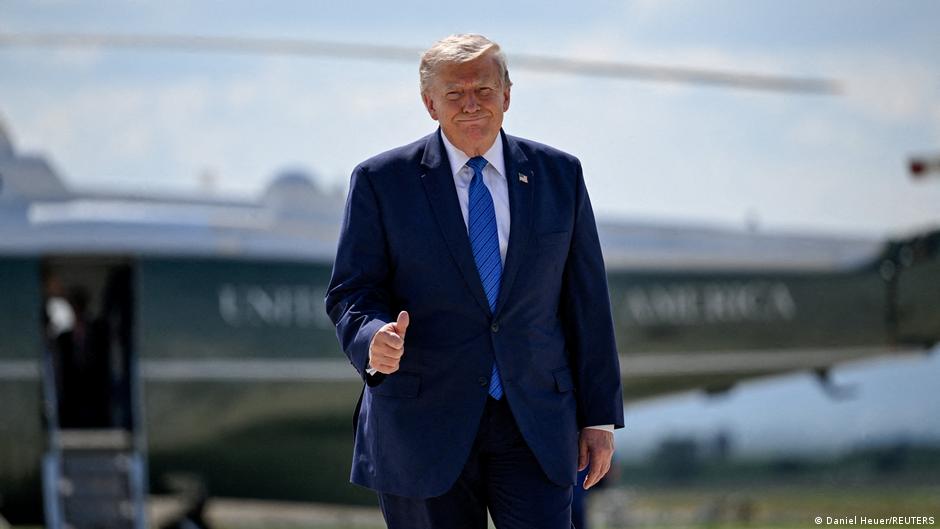
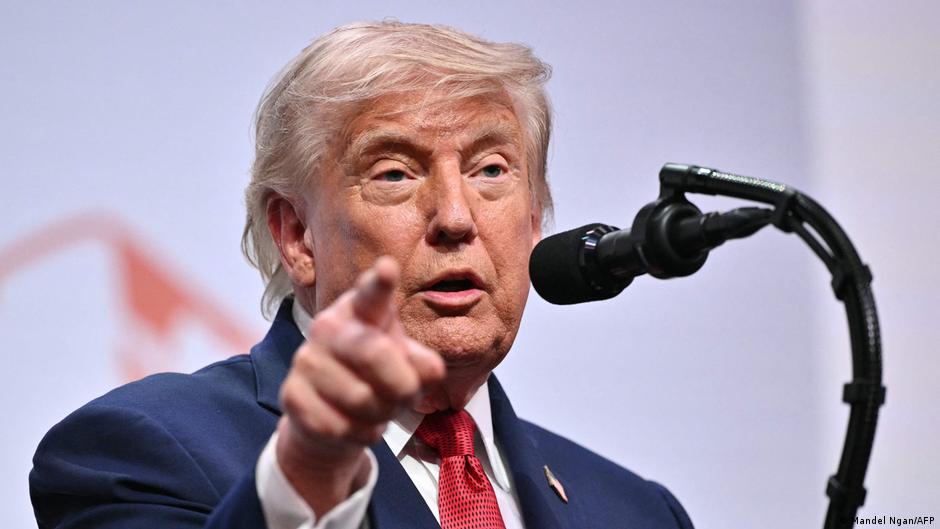
President Donald Trump announced that a new phase of negotiations between the United States and Iran will begin on Monday, August 3. This development follows a recent decision by the White House to postpone further military strikes against Tehran, citing agreed-upon parameters for a diplomatic deal.
Market Implications of Renewed US-Iran Talks
Trump's statement, delivered aboard Air Force One, signaled a temporary de-escalation in US-Iran tensions, which has had an immediate impact on Wall Street trading patterns. Investors have responded with increased activity in defense and energy sectors, while volatility remains elevated due to the geopolitical uncertainty.
"I would prefer to make a deal. I don't like killing people," Trump said, underscoring the administration's preference for diplomacy over military action.
The president emphasized that the US is still prepared to launch new strikes if necessary but is prioritizing a negotiated settlement that may address contentious issues like the Strait of Hormuz and Iran's nuclear program. This pause has eased some market fears, leading to a rotation from traditionally safe-haven equities into more cyclical sectors.
Trading volumes have been notably high in key defense contractors and energy companies, reflecting investor anticipation of potential shifts in regional stability affecting oil supply routes. Equity research analysts have adjusted their outlooks, citing the possibility of reduced military conflict but cautioning that volatility will persist until a comprehensive agreement is secured.
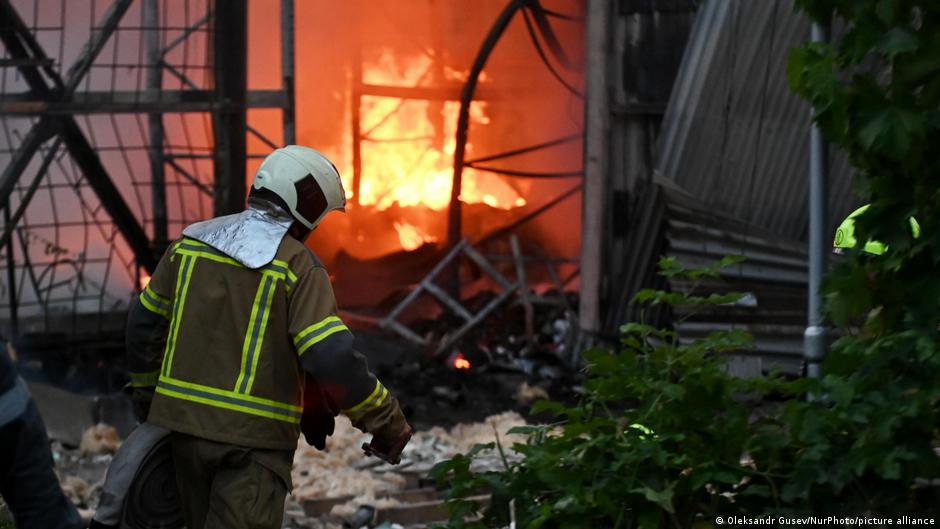
Recent US military actions included an extensive strike on July 30 targeting numerous Islamic Revolutionary Guard Corps (IRGC) sites, including command centers and missile launch facilities. Iranian state media reported collateral damage in residential areas on Qeshm Island, resulting in civilian casualties, which added to the geopolitical sensitivities influencing market sentiment.
Previously, a memorandum of understanding signed in June 2026 aimed to cease hostilities for 60 days and initiate peace talks. However, renewed US strikes had raised concerns about the durability of the truce. Trump's latest announcement marks a renewed hope for diplomatic progress, though investors remain vigilant given the fragile nature of US-Iran relations.
Sector Rotation and Equity Research Perspectives
Equity research teams have noted a cautious rotation in portfolios, with increased allocations to energy firms benefiting from potential stability in the Persian Gulf and defense companies poised to capitalize on ongoing military preparedness. Conversely, volatility in technology and emerging markets sectors reflects uncertainty about broader geopolitical risks.
Market participants are closely monitoring the upcoming talks starting August 3, which could set the tone for regional security and influence commodity prices. The temporary de-escalation has encouraged some risk-on sentiment, but analysts warn that any failure in negotiations may quickly reverse gains and elevate market volatility.
Overall, Wall Street is navigating a complex environment where geopolitical developments directly shape sector performance, trading volumes, and investor confidence. The outcome of the US-Iran negotiations will likely be a key determinant of market direction in the near term.