Fed Raises Rates for First Time in Three Years, Pressuring Wall Street
The unanimous FOMC move lifts the federal funds rate to 3.75%-4% as inflation and energy costs reshape market expectations.
The Federal Reserve raised its benchmark federal funds rate by 25 basis points to a target range of 3.75% to 4%, marking the first U.S. rate increase in three years and immediately sharpening the focus on Wall Street’s rate-sensitive sectors.
The Fed announced the decision on Wednesday evening, September 16, citing the need to counter inflation in the United States. All 12 members of the Federal Open Market Committee voted in favor of the increase, making the move unanimous and giving investors a clear signal that policymakers are prepared to prioritize price stability even after an extended easing cycle.
The increase reverses the direction of recent policy. The Fed had cut rates three times in 2024 and three times again in 2025, according to the source article. For equity markets, the change in direction matters as much as the size of the move: a 25-basis-point increase may be incremental, but a first hike after three years resets assumptions across discounted cash flow models, bank lending expectations, housing affordability, and the relative appeal of cash and bonds versus stocks.
Rate-sensitive stocks move back into focus
For Wall Street, the most direct pressure point is likely to be valuation. Higher policy rates typically weigh on long-duration equities, particularly growth stocks whose expected profits sit further in the future. Technology and other high-multiple sectors tend to be watched closely after a shift like this, while financial stocks can draw more mixed reactions depending on how investors weigh wider lending spreads against potential credit risk and weaker loan demand.
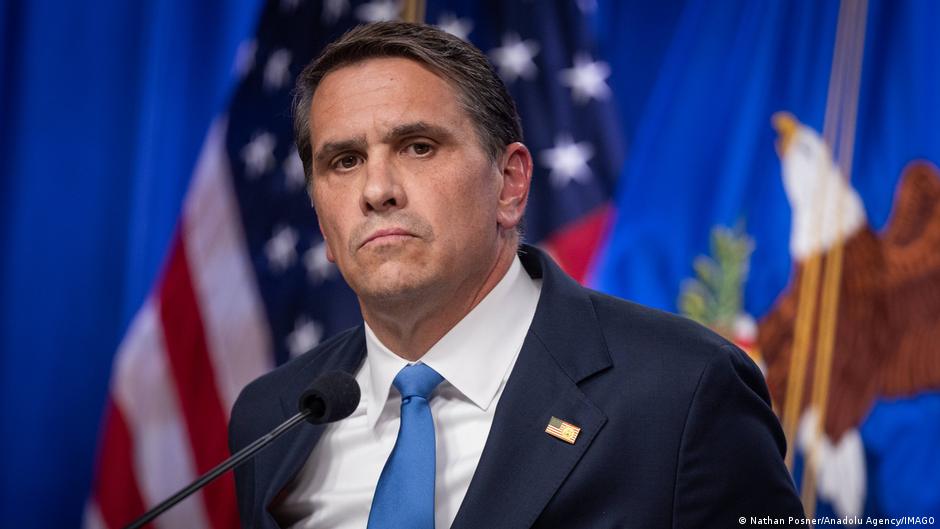
The source article does not report market moves, trading volumes, index performance, analyst price-target changes, or individual stock reactions following the announcement. Still, the policy signal is relevant for specific corners of the equity market. Banks including Morgan Stanley are part of the broader financial ecosystem affected by rate expectations; Warsh previously worked at Morgan Stanley as a banker specializing in mergers and acquisitions. Real estate-linked equities, homebuilders, mortgage lenders and property-related financial firms may also face renewed scrutiny because President Donald Trump had expected lower rates to help make real estate loans more affordable.
Energy is another key sector in the market interpretation of the decision. According to the source, the war by the United States and Israel against Iran, ongoing since late February, has led to a sharp rise in energy prices and, in turn, fueled inflation. That places energy producers, utilities, transportation firms and consumer-facing companies in different positions: some may benefit from elevated prices, while others face margin pressure from higher input costs.
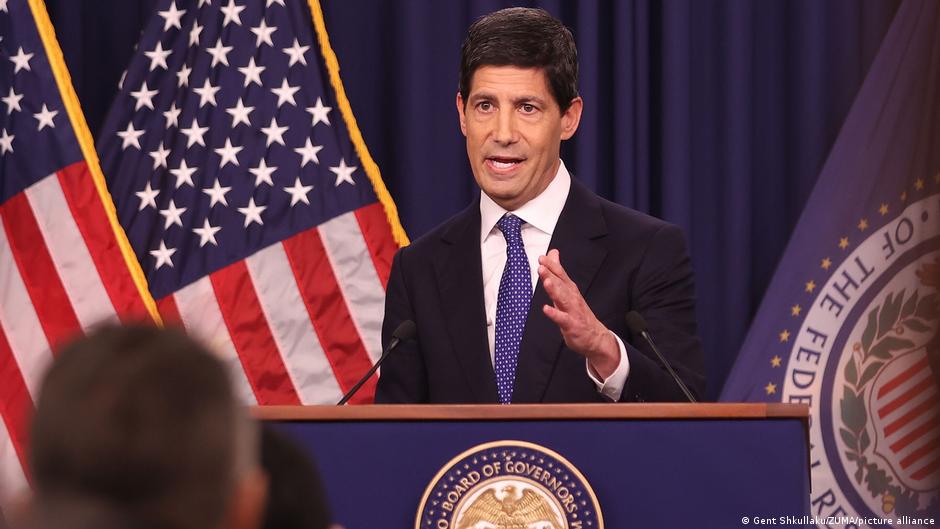
“Simply put, inflation is too high, and it has gone on for too long, that is a fact,” Fed Chair Kevin Warsh said at his September 16 press conference.
Warsh said the Fed’s central focus under its mandate is ensuring price stability. Unlike the European Central Bank, which is based in Frankfurt am Main, the U.S. central bank has a dual mandate: price stability and a strong labor market, the source article notes, citing AFP. That dual obligation is important for equity research because it leaves investors weighing two competing outcomes: the Fed’s effort to restrain inflation and the risk that tighter financial conditions could cool economic growth.
Equity research lens: inflation versus growth
Warsh noted at the press conference that U.S. inflation has exceeded the Fed’s 2.0% target for five years. In July and August of the current year, inflation stood at 3.4%. Those figures help explain why policymakers moved despite political pressure for lower rates. For equity strategists, persistent inflation above target can sustain a higher-rate regime, which may support defensive positioning and encourage sector rotation away from highly valued cyclical or growth assets toward companies with pricing power, stronger balance sheets or cash flows less dependent on cheap financing.
The decision also lands against a politically charged backdrop. Warsh was nominated to lead the Fed by President Donald Trump and took office in mid-May. He previously served on the Fed’s Board of Governors from 2006 to 2011 and had advised Trump on economic policy. Trump had expected Warsh, once in the top Fed post, to keep interest rates low, including to support more affordable real estate borrowing.
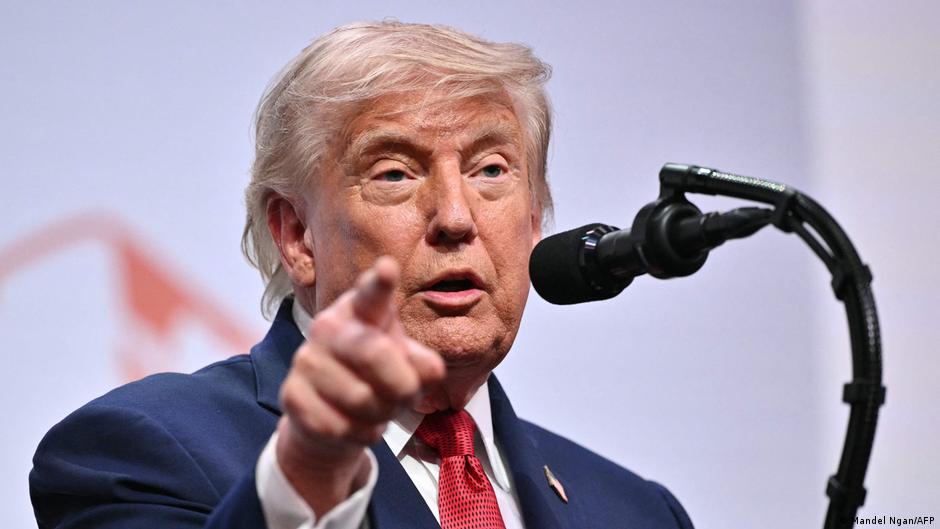
Trump sharply criticized the FOMC’s decision to raise the benchmark rate, saying it was driven by “political motives.” Speaking to reporters in North Carolina on September 16, he called Warsh “a good man” but said that regardless of how well Warsh does his job, he has to deal with hostile leadership. Trump added that FOMC members were raising rates to do as much harm to him as possible and were acting for political reasons.
For markets, that political dispute adds another layer to the trading environment. Investors generally prefer clarity around monetary policy, and a unanimous FOMC vote provides one form of clarity. But open conflict between the White House and the central bank can keep policy credibility, institutional independence and future rate decisions in sharper focus for equity desks.
The immediate Wall Street takeaway is that the Fed has moved from easing to tightening after six rate cuts over the previous two years. Without reported trading-volume data or stock-price moves in the source article, the market impact must be framed through likely channels rather than recorded reactions: higher discount rates, pressure on real estate financing, renewed attention to banks and lending margins, inflation-linked support for energy-related equities, and greater caution toward companies most dependent on cheap capital.
Whether this becomes a one-off hike or the start of a broader tightening cycle will determine the depth of any sector rotation. For now, the signal from Washington is clear: with inflation still above target and energy costs feeding price pressure, the Fed is willing to raise rates despite political criticism and despite the potential consequences for Wall Street valuations.