US-Iran Deal Boosts Market Sentiment Amid Focus on Energy Sector and Geopolitical Stability
Leaders of France, Germany, UK, and Italy welcome US-Iran agreement, emphasizing nuclear non-proliferation and regional stability impacting global markets.
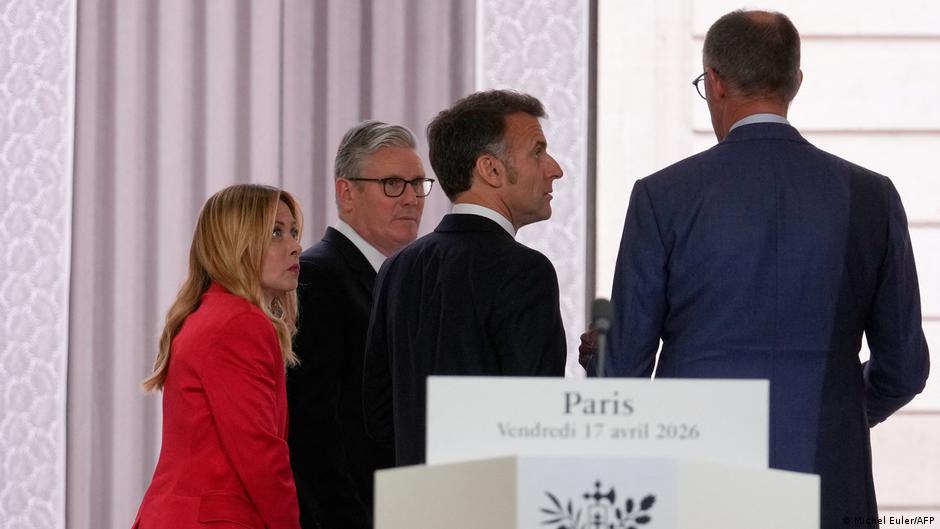
European leaders from France, Germany, the United Kingdom, and Italy have expressed optimism following the announcement of a forthcoming peace agreement between the United States and Iran, scheduled for signing on June 19. The diplomatic breakthrough is seen as a potential catalyst for enhanced regional stability and a positive influence on global economic conditions.
Market Implications of the US-Iran Agreement
The joint statement issued by the heads of state and government highlights that a swift and comprehensive execution of the deal is essential. This development has already begun to influence market sentiment, particularly in sectors sensitive to geopolitical tensions such as energy and defense.
"Iran must never acquire nuclear weapons under any circumstances. We stand ready to collaborate with the US, Iran, and the International Atomic Energy Agency (IAEA) to achieve this goal," the leaders stated.
One of the core elements of the agreement involves the immediate reopening and securing of shipping lanes in the Strait of Hormuz, a critical maritime route for global oil supplies. The leaders committed to supporting efforts, including mine clearance operations, to ensure uninterrupted transit.
Stock market participants have been closely monitoring trading volumes in energy sector equities, with companies involved in oil transportation and alternative energy gaining investor attention. The reduction in conflict risk in the Persian Gulf region is fostering a sector rotation away from traditional defense stocks toward energy and infrastructure firms.
British Prime Minister Keir Starmer emphasized the importance of restoring free navigation in the Strait of Hormuz without tolls, anticipating that this will alleviate economic disruptions caused by prolonged US-Israel-Iran tensions. His stance underscores a commitment to safeguarding global trade flows, which could stabilize oil prices and reduce volatility in energy markets.
Meanwhile, French President Emmanuel Macron expressed concerns over Iran’s nuclear and ballistic missile programs, reiterating the necessity of strict verification mechanisms to prevent nuclear proliferation. This cautious approach is reflected in equity research reports that highlight potential risks for defense contractors should geopolitical tensions escalate again.
From a trading perspective, the announcement has led to higher volumes in equities related to energy infrastructure and maritime security. Analysts at leading equity research firms suggest that investors consider the potential for gradual normalization in oil markets, which may reduce the premium previously priced into energy stocks due to conflict risks.
Overall, the US-Iran agreement is viewed as a positive signal for global market stability, promoting a reallocation of capital toward sectors benefiting from regional peace and economic recovery.