US-Iran Conflict Escalation Spurs Volatility on Wall Street, Sector Rotation Evident
Renewed US strikes on Iran and Tehran's closure of the Strait of Hormuz heighten market uncertainty, influencing oil, defense stocks, and trading volumes.

Wall Street experienced increased volatility following the latest escalation in US-Iran tensions, as US forces resumed strikes on Iranian targets and Tehran announced the full closure of the Strait of Hormuz. This geopolitical development prompted notable sector rotation and changes in trading volumes across key equity groups.
Market Reaction to Renewed US-Iran Hostilities
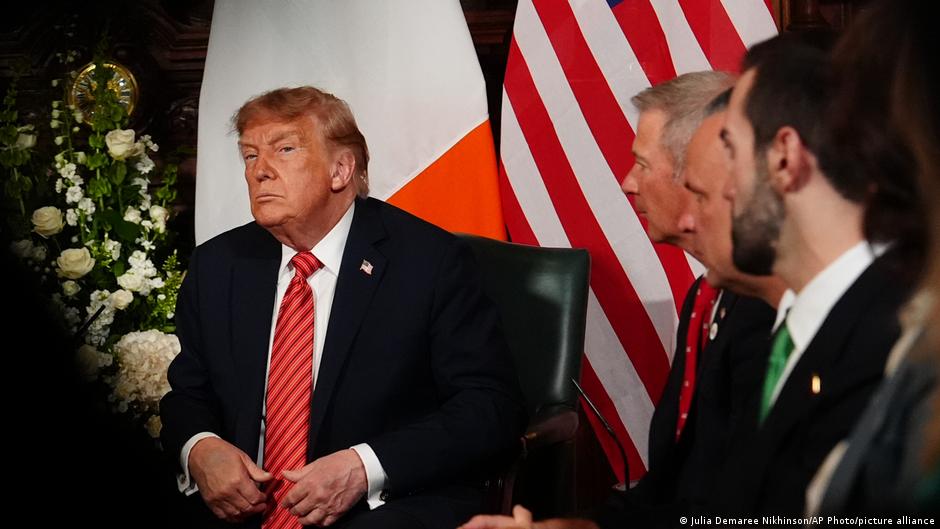
On the evening of June 10, US Central Command (CENTCOM) confirmed the initiation of airstrikes against Iranian military assets, citing Iran's ‘‘unjustified and ongoing aggression’’ as the cause. These strikes followed statements from US President Donald Trump and Defense Secretary Pete Hegseth, who warned of further military action aimed at creating conditions for a negotiated settlement rather than escalating into full-scale war.
In response, Iran targeted US military bases in the Persian Gulf region and Jordan with ballistic missile attacks, while also declaring the Strait of Hormuz closed to all maritime traffic. Iranian authorities warned that any vessel attempting to pass through the strait would be attacked, signaling a significant threat to global oil supply routes.
“The closure of the Strait of Hormuz represents a shift in regional security dynamics and poses immediate risks to energy transportation corridors,” said a market strategist following the events.
Despite CENTCOM's later refutation of a total blockade—stating that commercial ships continued to transit the strait—the initial news spurred sharp moves across energy and defense sectors.
Sector Rotation and Trading Volume Shifts
The announcement triggered a surge in the prices of energy stocks, particularly those associated with oil exploration, production, and transportation. Companies with substantial operations in the Middle East saw increased investor interest, reflecting concerns over potential disruptions to oil exports.
Concurrently, defense contractors and military technology firms experienced elevated trading volumes, as investors anticipated increased demand for security and defense capabilities amid rising geopolitical risks.
Conversely, sectors sensitive to higher energy costs, such as transportation and consumer discretionary, faced downward pressure as market participants adjusted risk assessments in light of the conflict escalation.
Equity research analysts highlighted the potential for sustained volatility, recommending a cautious approach with a focus on stocks poised to benefit from increased defense spending and energy price resilience.
Trading volumes across US exchanges rose notably on both the New York Stock Exchange and Nasdaq, underscoring heightened market activity as investors repositioned portfolios in response to unfolding events.
Outlook Amid Continuing Uncertainty
While the situation remains fluid, the renewed hostilities between the US and Iran have clearly impacted market sentiment, with notable sector rotations reflecting the evolving risk landscape. Investors and analysts alike are monitoring developments closely, as any prolongation or intensification of conflict could further influence market dynamics and equity valuations.