US House Passes Resolution Limiting Trump’s Military Actions Against Iran, Impacting Defense Stocks
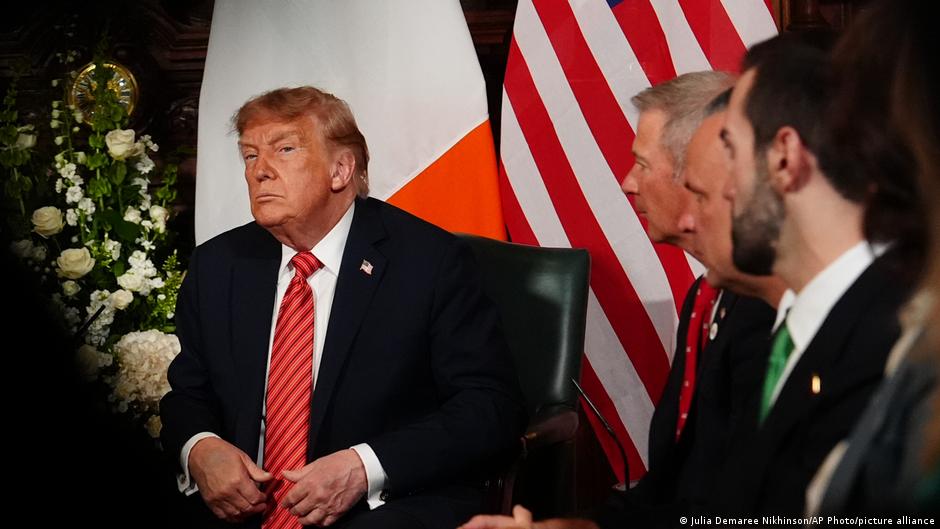
The US House of Representatives approved a resolution restricting President Trump from continuing military operations against Iran without Congressional approval, signaling potential shifts in defense sector dynamics.
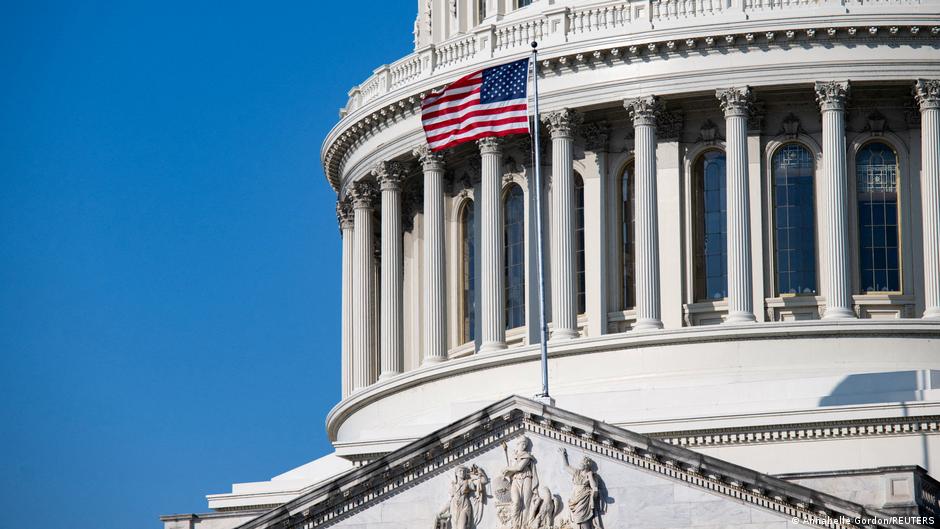
The US House of Representatives has, for the first time, approved a resolution that prohibits President Donald Trump from continuing military actions against Iran without explicit Congressional authorization. This bipartisan move, which included several Republican votes alongside Democrats, represents a critical development in US foreign policy and has immediate implications for Wall Street, particularly within defense-related sectors.
Political Developments and Market Implications
The resolution passed by a narrow margin of 215 to 208 votes signals waning support within President Trump’s own party for prolonged military engagement in Iran. Importantly, the measure restricts the executive branch’s unilateral war powers as defined under the War Powers Act of 1973, which limits military action without Congressional consent to 60 days.
“The House vote reflects increasing Congressional insistence on checks over military actions, which could temper escalation risks and affect defense contractors’ valuations.”
Earlier, on May 19, the US Senate showed similar sentiment by voting 50 to 47 in favor of a resolution to halt military action against Iran without Congressional approval. However, with some Republican senators absent due to election campaigns, full Senate approval remains uncertain. Historically, Republican opposition has stalled similar resolutions in both chambers, making this bipartisan breakthrough notable.
Despite progress in Congress, President Trump is expected to veto such a resolution if passed by both houses, as suggested by multiple sources. This legislative-executive tension introduces uncertainty that traders and equity researchers are closely monitoring, especially in sectors linked to defense and geopolitical risk.
Sector Rotation and Trading Volume Trends
Since the initial US and Israeli military operations against Iran earlier this year, defense stocks experienced increased volatility amid fears of prolonged conflict. The recent resolution signals a potential de-escalation, prompting some investors to reconsider exposure to traditional defense contractors.
Equity research reports indicate a cautious rotation from defense sector equities toward more stable sectors as the prospect of unchecked military escalation diminishes. Trading volumes for major defense firms have fluctuated, reflecting investor response to news flow and Congressional developments.
Analysts note that companies involved in missile technology, aerospace, and cybersecurity—areas historically boosted by geopolitical tension—may face headwinds if US military engagement is curtailed. Conversely, sectors linked to energy, infrastructure, and consumer staples could attract capital as market risk perceptions recalibrate.
Geopolitical Context and Market Outlook
On May 1, President Trump notified Congress that the 60-day period for military engagement without approval had ended, declaring the conflict with Iran to be ‘complete.’ Nonetheless, hostilities persist, as evidenced by the Iranian Revolutionary Guard Corps’ missile and drone attacks on US bases in Kuwait and Bahrain on the night of May 3, and subsequent US retaliatory strikes on Iranian military sites in the Strait of Hormuz.
Trump administration officials assert ongoing negotiations with Iranian leadership aiming to end hostilities. Traders and equity researchers are weighing the possibility of diplomatic resolution versus renewed conflict, influencing market positioning.
Overall, the Congressional resolution marks a pivotal moment, reflecting both political constraints on executive military action and the potential for reduced defense sector volatility. Market participants remain vigilant as negotiations and legislative actions unfold, with sector rotations and trading volumes serving as key indicators of evolving investor sentiment.