US House Approves Sanctions Against Russia, Impacting Market Dynamics and Sector Rotation
The US House passes a bill imposing sanctions on Russia and boosting Ukraine aid, signaling potential shifts in market sectors and trading volumes.
The US House of Representatives has approved a legislative package that includes aid to Ukraine and sanctions against Russia, marking a significant development with potential implications for Wall Street equities and sector rotation. The bill, which passed on June 5, awaits approval from the Senate before becoming law.
The legislation proposes a special fund dedicated to Ukraine's recovery and extends the US President's authority to transfer defense equipment to Ukraine and Eastern European allies through lending or leasing arrangements. Additionally, the Pentagon is authorized to provide intelligence support to Ukraine through the end of 2027, while the State Department is tasked with strengthening the military and border capabilities of Baltic states.
Market Implications and Sector Outlook
Financial markets are likely to respond to the bill's advancement with increased volatility, particularly in sectors linked to defense, energy, and international trade. Defense contractors may see volume upticks as the bill signals sustained US military assistance and intelligence involvement in Eastern Europe. Meanwhile, energy stocks, especially those exposed to Russian supply chains, could experience pressure amid heightened sanctions and export restrictions authorized under the legislation.
"The expanded sanction framework is expected to restrict Russian economic activities further, potentially influencing commodity markets and trading volumes across sectors exposed to geopolitical risk," said an equity research analyst.
The legislation empowers the US President to impose additional sanctions, freeze assets of Russian individuals and entities, and enforce new export controls and tariffs. These measures may accelerate sector rotation toward defense and cybersecurity firms while creating headwinds for companies with significant exposure to Eastern European markets or Russia.
Moreover, the bill reinforces cooperation with European partners through arms supplies, military training, and intelligence sharing, which can positively affect stocks of firms involved in multinational defense projects and logistics.
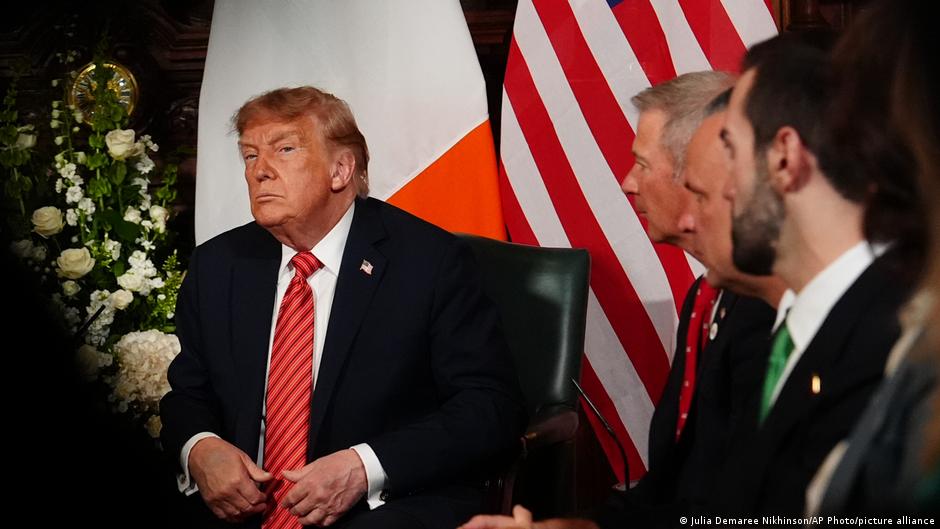
Investors should monitor the upcoming Senate vote carefully, as its outcome will be a critical determinant of the bill's final form and the degree of market impact. The Senate's divided composition and varying views on foreign aid could lead to modifications. Furthermore, the possibility of a presidential veto following the 2025 inauguration of Donald Trump introduces an element of uncertainty, given his administration's past cautious approach to Ukraine aid and sanctions enforcement.
Overall, the bill signals continuing US commitment to Ukraine but also highlights political complexities that could influence trading volumes and sector performance on Wall Street in the near to medium term.