US Expands Cuba Sanctions Targeting Leadership Amid Rising Geopolitical Tensions
New financial sanctions impact Cuban President Díaz-Canel and Castro family members, intensifying pressure on Havana.
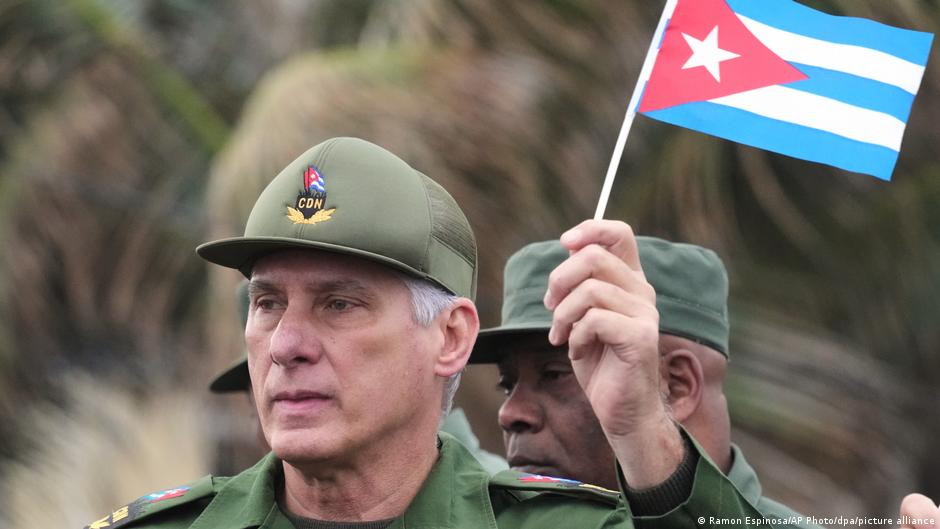
The United States has broadened its sanctions against Cuba’s leadership, including President Miguel Díaz-Canel and relatives of former leader Raúl Castro, reflecting escalating geopolitical tensions between Washington and Havana.
Sanctions Deepen Pressure on Cuban Leadership
On June 4, the US Treasury Department announced new economic sanctions targeting Cuban President Miguel Díaz-Canel, his wife and stepson, as well as Raúl Castro’s son and one grandson. These measures come amid a prolonged period of deteriorating US-Cuba relations, further tightening the economic noose on the island nation.
The US State Department had already sanctioned President Díaz-Canel in July of the previous year, but the latest actions significantly expand the scope by implicating family members of key political figures. Raúl Castro, brother of revolutionary leader Fidel Castro, though retired from official roles, continues to wield significant influence over Cuba’s strategic decisions. Last month, the US leveled accusations against Raúl Castro related to the destruction of two civilian planes in 1996, an incident resulting in four fatalities.
“Washington has methodically increased pressure on Havana in recent months, leveraging sanctions as a tool to influence Cuba’s political landscape,” experts note.
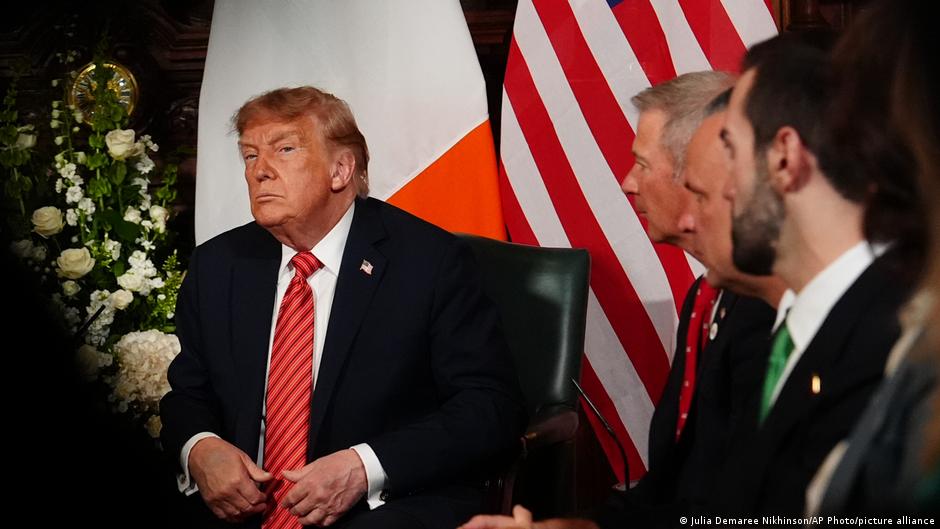
From the Cuban government's perspective, these moves are viewed as aggressive attempts to justify potential military intervention by the United States. President Donald Trump has previously threatened to “take control” of Cuba, underscoring the fraught nature of bilateral relations.
Market and Sector Implications
For investors and market participants, these geopolitical developments are significant. The continued US embargo on Cuba, in place since 1962, combined with the island’s escalating economic crisis—marked by power shortages and fuel scarcities—affect commodity flows and regional stability.
Notably, the disruption of Venezuelan oil supplies to Cuba following the US-backed capture of Venezuelan President Nicolás Maduro earlier this year has exacerbated Cuba’s energy deficits, potentially impacting sectors reliant on hydrocarbons and logistics.
While Cuba itself is not directly represented in global equity markets, broader sector rotations can be observed. Energy and transportation stocks in regions tied to Caribbean supply chains may experience volatility due to the sanctions-driven instability. Additionally, increased US sanctions often lead to heightened trading volumes in defense and energy equities, reflecting shifting investor sentiment toward geopolitical risk.
Equity research analysts recommend close monitoring of Latin American market indicators and commodity prices, as continued US pressure on Cuba and its allies may influence regional trade dynamics and investment flows.