US Defensive Strikes on Iran Trigger Sector Rotation and Impact Wall Street Trading
US military strikes on Iranian missile sites prompt shifts in defense and energy stocks amid cautious market sentiment.
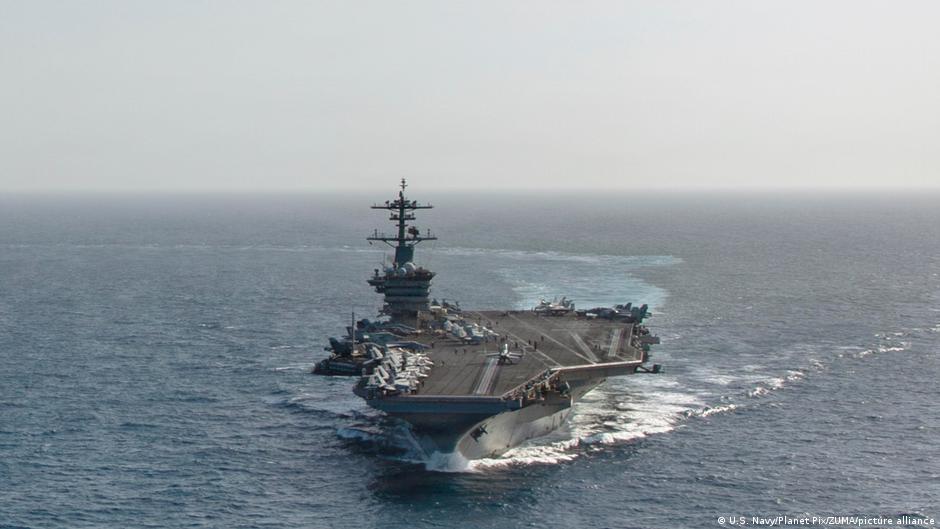
The US military conducted "defensive strikes" against targets in southern Iran, including missile launch sites and vessels attempting to lay mines, according to a spokesperson for the US Central Command (CENTCOM), Tim Hawkins. These actions, aimed at protecting American forces from Iranian threats, have sent ripples through Wall Street, impacting specific sectors and trading activity.
Market Response and Sector Rotation
The announcement of the strikes on May 26, 2024, occurred amid an ongoing ceasefire between the US and Iran that began on April 8. Despite this ceasefire, heightened geopolitical tensions have caused investors to reevaluate risk exposure, particularly in defense and energy sectors.
Defense stocks experienced notable gains as traders anticipated increased government spending on military preparedness. Companies involved in missile defense systems and naval technologies saw elevated trading volumes, reflecting investor interest in firms potentially benefiting from renewed US-Iran tensions.
Simultaneously, energy stocks exhibited mixed reactions. While concerns about stability in the Middle East typically drive oil prices higher, fears of escalating conflict have created volatility in the sector. Some traders rotated out of riskier energy equities into more stable sectors, while others increased positions in firms specializing in energy infrastructure security.
"The US Central Command continues to protect American forces while exercising restraint during the ongoing ceasefire," said CENTCOM representative Tim Hawkins, emphasizing a cautious but firm US stance that influenced market sentiment.
Equity research analysts have adjusted their outlooks accordingly. Several research firms upgraded defense contractors, forecasting increased government contracts and elevated demand for defense products. Conversely, some downgraded energy firms deemed vulnerable to geopolitical disruptions or supply chain issues stemming from the region.
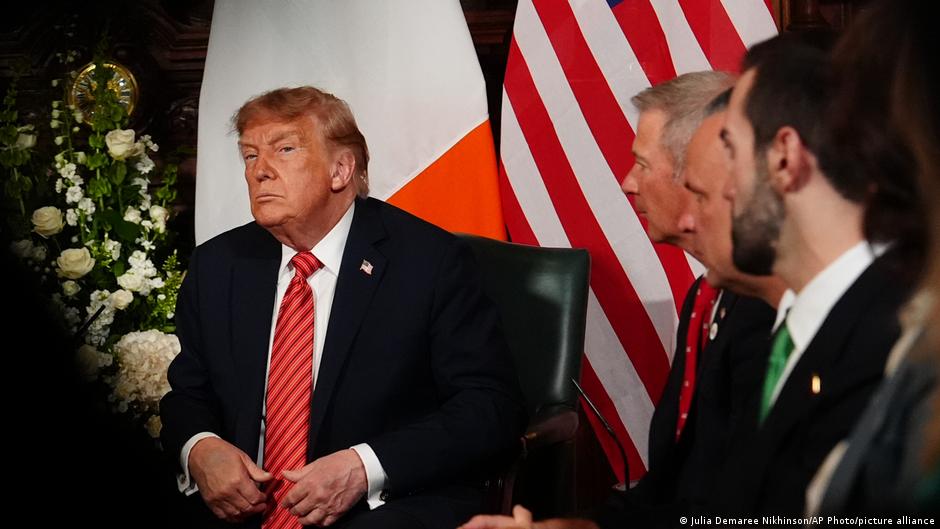
Trading volumes on the New York Stock Exchange and NASDAQ surged following the announcement, reflecting heightened investor activity and repositioning. Market participants remain watchful for further developments, as US President Donald Trump underscored in recent communications the potential for either a significant deal or a return to intensified conflict.
Trump's statement on May 25 indicated ongoing "peaceful negotiations" with Iran but warned of a possible escalation: "There will be either a great deal for all or no deal - and a return to the frontlines and shooting, but bigger and stronger than ever before, which no one wants." This uncertainty continues to weigh on investor confidence and market dynamics.
As the geopolitical landscape evolves, Wall Street is likely to witness continued sector rotation, with defense and energy equities playing pivotal roles. Investors are advised to monitor both political developments and related equity research updates closely to navigate this volatile environment.