US Court Blocks Trump-Era $100,000 H-1B Visa Fee, Impacting Tech Sector Hiring
Federal judge rules Trump administration’s $100,000 H-1B visa application fee illegal, affecting major tech employers relying on skilled foreign labor.
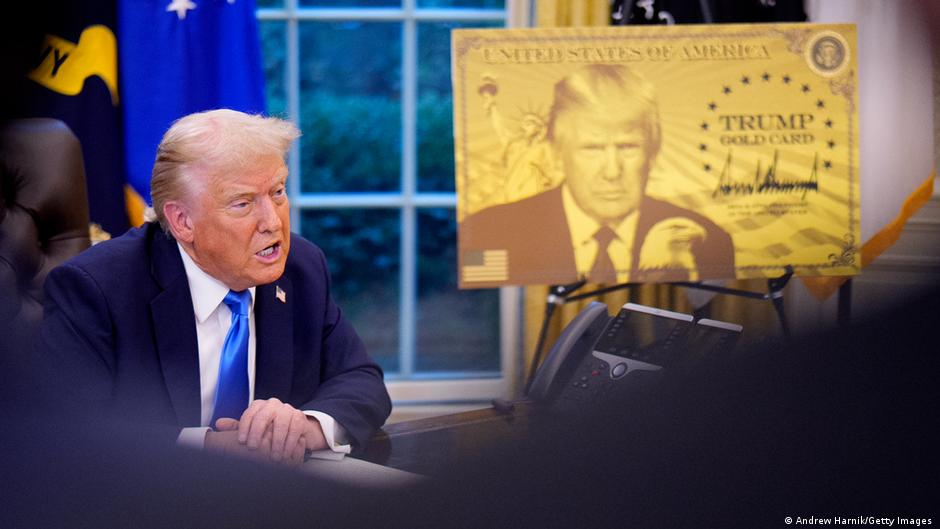
A U.S. federal judge has struck down a controversial visa fee introduced under former President Donald Trump that imposed a $100,000 charge for H-1B visa applications. The ruling could ease hiring constraints for major tech companies reliant on high-skilled foreign workers.
Legal Reversal of Trump’s H-1B Visa Fee
On June 8, U.S. District Judge Leo Sorokin declared the $100,000 fee imposed on H-1B visa petitions unlawful, citing executive overreach. The fee, introduced in September 2025 as part of the Trump administration’s efforts to restrict immigration, was deemed effectively an unauthorized tax.
"The President did not have the authority or delegated powers to impose a tax on H-1B visa applications," Judge Sorokin stated in his decision.
The fee had been challenged by a coalition of 20 states, which argued it was an illegal imposition that unduly restricted access to work visas for highly skilled foreign professionals.
Previously, another federal judge had upheld the fee, but that ruling is currently under appeal, leaving the legal environment for H-1B fees unsettled for now.
Market and Sector Implications
The H-1B visa program primarily serves to bring high-skilled workers—especially in technology fields—into the U.S. labor market. Nearly 75% of approved H-1B applications historically go to workers from India, reflecting the crucial role of this visa category in sustaining the talent pipelines of major tech firms.
The Trump-era fee hike had increased the visa application cost from under $5,000 to $100,000, representing a dramatic increase and a potential barrier for companies that depend heavily on skilled immigrant labor. The ruling to block this fee is expected to lower hiring costs, potentially increasing trading volumes and investor interest in technology stocks that rely on these talent flows.
Equity research analysts have noted that the ruling may signal a more favorable regulatory environment for tech companies looking to ease their talent acquisition challenges. This development could influence sector rotation, as investors reassess risk premiums associated with tech stocks under immigration policy uncertainty.
"The court's decision removes a significant financial hurdle for tech firms that have been reliant on H-1B workers," said one market analyst. "This could enhance growth prospects and investor confidence in the sector going forward."
Broader Economic and Political Context
The original fee increase was part of a broader Trump administration agenda aimed at prioritizing American workers by restricting foreign labor access. The White House had justified the hike by asserting that foreign workers should not displace American employees.
With the fee now annulled, the visa application cost is expected to return to previous lower levels, potentially reducing costs for companies in sectors ranging from software development to engineering services.
This legal outcome comes amid ongoing debates around immigration policy, workforce development, and U.S. competitiveness in technology and innovation.