US Charges Raul Castro in 1996 Killing of Pilots, Impacting Geopolitical Risks for Market Sectors
The indictment of former Cuban leader Raul Castro raises geopolitical tensions that may influence energy, defense, and Latin America-focused stocks.
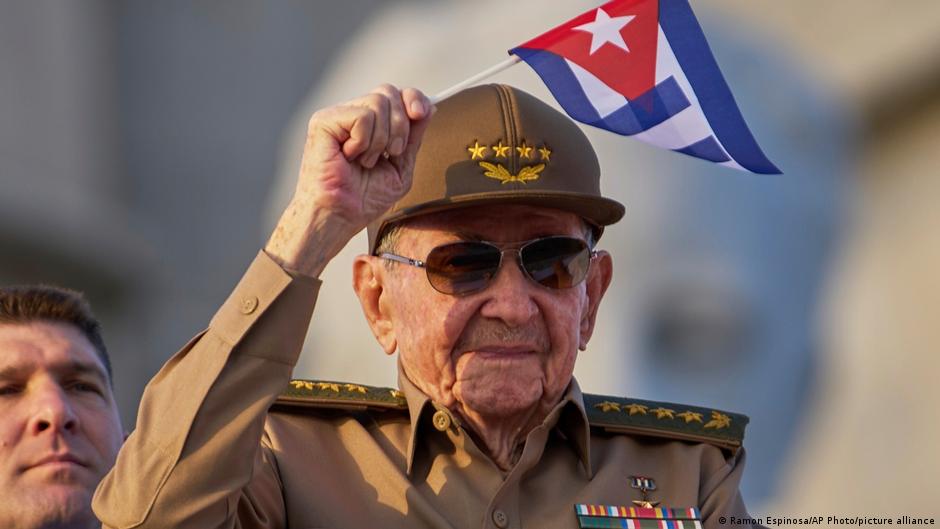
The US Department of Justice has formally charged former Cuban leader Raul Castro with the 1996 killing of four pilots who were attempting to rescue Cuban refugees at sea. Acting US Attorney General Todd Blanche announced the indictment on May 20 in Miami, signaling heightened geopolitical tensions that could reverberate across Wall Street sectors.
Details of the Indictment and Market Implications
The charges accuse Raul Castro of conspiracy to murder US citizens dating back to the incident when Cuban fighter jets shot down two aircraft operated by the Miami-based Cuban exile group Brothers to the Rescue. All four individuals, US citizens, perished in the attack.
At the time, Raul Castro served as Cuba's Minister of Defense. The Cuban government defended the military action as a lawful response to what it considered an aerial invasion, though the International Civil Aviation Organization later determined the planes were downed over international waters.
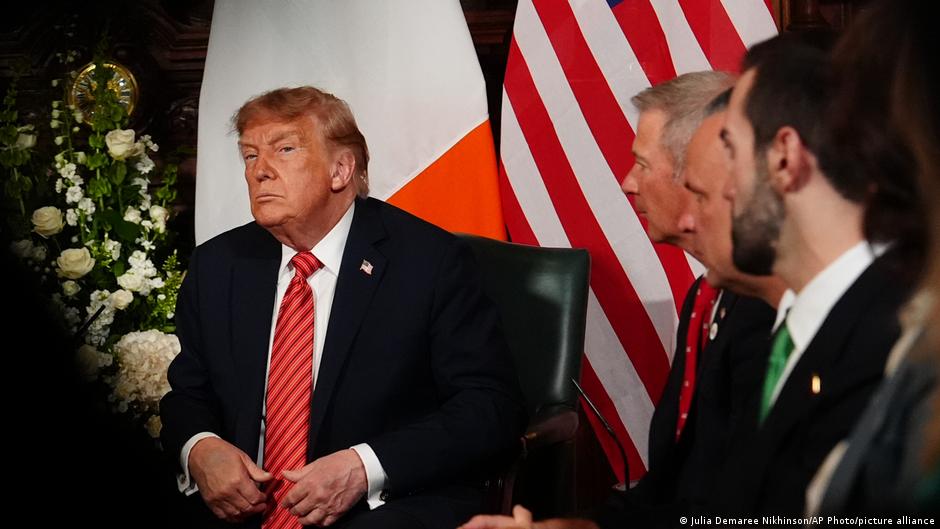
"My message is clear," said Acting Attorney General Blanche. "The United States and President Trump will not forget their citizens."
While the indictment carries symbolic weight given Castro's advanced age of 94, US officials indicated that if he does not voluntarily surrender, he will be forcibly brought to the US and face imprisonment. This development injects uncertainty into US-Cuba relations at a time of already elevated tensions.
The geopolitical friction has escalated recently following the US-backed removal of Venezuela's leader, Nicolás Maduro, a key regional ally of Cuba, and the imposition of an energy embargo on the island nation. President Trump has expressed intentions to exert greater control over Cuba, further compounding risks.
Sector Rotation and Equity Research Perspectives
Investors should monitor how this unfolding geopolitical event influences sector rotation and trading volumes across related stocks. The energy sector, particularly companies with exposure to Caribbean energy supply chains, could face volatility amid sanctions and embargoes tightening. Defense stocks may also attract attention as US policy signals a firmer stance against Cuba and allied regimes.
Latin America-focused equities and funds could experience discernible shifts as markets price in elevated political risk. Equity research teams are likely to revise outlooks on companies with operational or revenue exposure in the region, factoring in potential disruptions and regulatory changes.
Market participants should also watch for increased trading volumes in currency pairs linked to Latin American markets, as capital flows adjust to geopolitical uncertainty.
Former Cuban President Raul Castro, brother of revolutionary leader Fidel Castro, was instrumental in historic rapprochement with the US under President Obama, a policy later reversed by the Trump administration. He stepped down from official roles in 2018 and has appeared publicly as recently as early May. However, he has neither left Cuba nor is there indication of extradition cooperation.
US Senator Marco Rubio, son of Cuban immigrants, publicly addressed the Cuban people ahead of the indictment, urging them to reject socialist governance and embrace a new path with the United States. This rhetoric underscores the administration's strategic intent to reshape power dynamics in the region.
As these developments unfold, market watchers should stay alert to rapid shifts in investor sentiment driven by geopolitical news, which can translate into short-term volatility and influence longer-term sectoral trends.