US-Brokered Israel-Lebanon Ceasefire Raises Market Focus on Defense and Energy Stocks
A US-mediated truce between Israel and Lebanon impacts sector rotation, trading volumes, and investor sentiment on Wall Street.
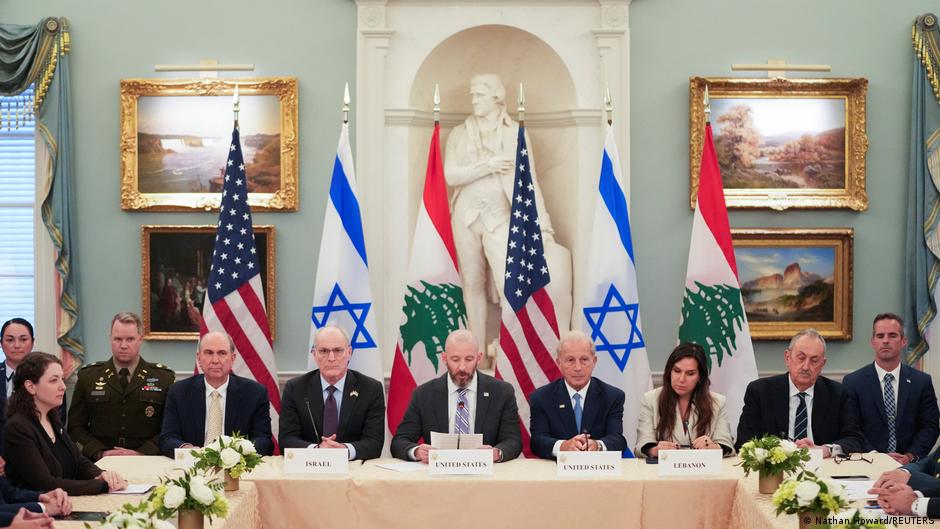
The recent announcement of a ceasefire agreement between Israel and Lebanon, brokered by the United States, has introduced new dynamics into the financial markets, particularly affecting defense and energy sector equities. The truce, confirmed by the US State Department on June 3, follows intensive negotiations in Washington and sets conditions for a halt in hostilities involving the Hezbollah militant group.
Market Reaction and Sector Implications
The agreement stipulates a full cessation of fire from Hezbollah and the withdrawal of their forces south of the Litani River, alongside the establishment of pilot zones under exclusive Lebanese army control. This de-escalation has immediate implications for several publicly traded companies and broader sector rotations on Wall Street.
Defense stocks, which had seen increased volatility amid escalating conflict, are now experiencing a recalibration. Stocks of major defense contractors with exposure to Middle Eastern operations have shown mixed reactions as investors weigh the potential for decreased military engagement against ongoing regional tensions.
Energy equities, particularly those linked to oil infrastructure and production in the region, are also in focus. The conflict had posed risks of supply disruptions, and the ceasefire could stabilize crude prices, influencing oil and gas company valuations.
"The ceasefire sets the stage for potential stability in a historically volatile region, which markets often interpret as a reduction in geopolitical risk premiums," said a senior equity analyst.
Trading volumes in related sectors have surged as investors reposition portfolios to reflect the changing geopolitical landscape. Analysts caution, however, that the agreement's durability remains contingent on compliance by all parties, and the continuation of direct talks into late June is critical for a comprehensive peace settlement.
Background and Ongoing Negotiations
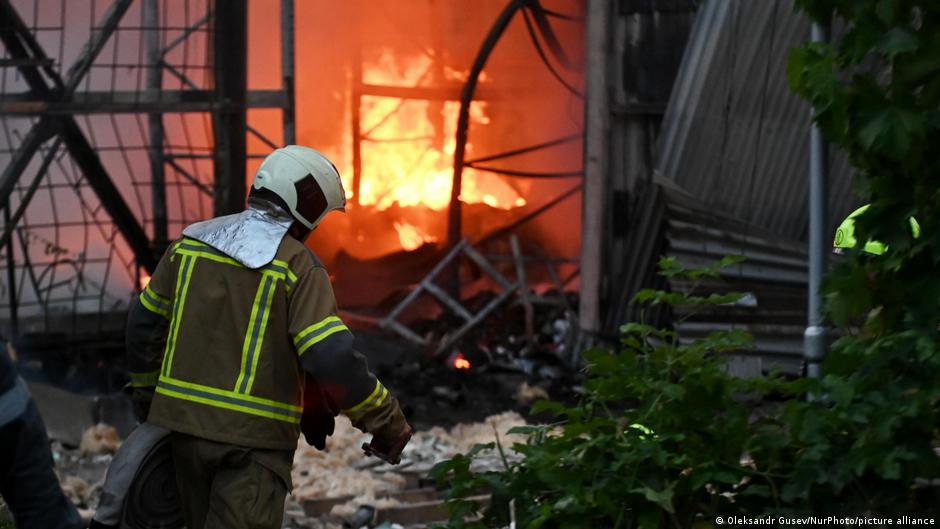
The ceasefire comes after months of intensified conflict triggered by renewed hostilities following the death of Iran's Supreme Leader Ayatollah Ali Khamenei and subsequent retaliatory strikes. Since March, Hezbollah had launched rocket attacks into Israel, prompting Israeli retaliatory airstrikes and a ground offensive aimed at creating a buffer zone.
The human toll has been severe, with over 2,200 fatalities reported in Lebanon and more than 1,700 Hezbollah casualties, underscoring the conflict's intensity and its broader implications for regional stability and international markets.
Initial direct talks between Israeli and Lebanese diplomats, the first since 1993, took place in Washington in April. Although a temporary ceasefire was declared, sporadic exchanges of fire continued until this more detailed truce was agreed upon.
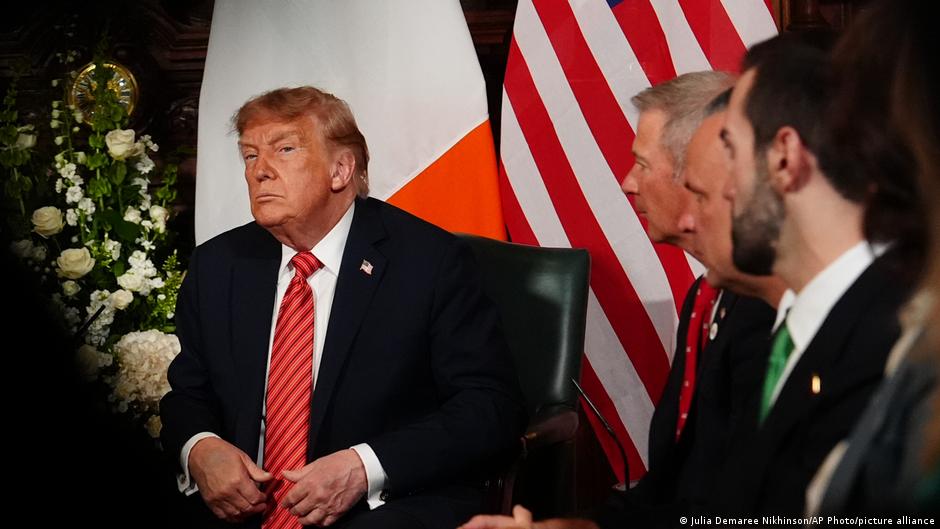
Despite recent reports of strained US-Israel communications, including a public disagreement involving US President Donald Trump and Israeli Prime Minister Benjamin Netanyahu, the US has emphasized that peace negotiations continue at a rapid pace, aiming to solidify and extend the ceasefire conditions.
Investors and analysts alike will be closely monitoring further developments, as the Middle East remains a key focal point for geopolitical risk assessment and sector-specific market impact on Wall Street.