US Announces Deployment of 5,000 Additional Troops to Poland Amid Military Reallocation
President Trump commits to bolstering US military presence in Poland following recent troop movement controversies and strategic adjustments in Europe.
The United States has declared the deployment of an additional 5,000 troops to Poland, reversing recent Pentagon plans that had momentarily halted troop movements to the country. This military development comes amid ongoing strategic repositioning of US forces in Europe and has implications for defense sector equities and transatlantic security dynamics.
Military Movements and Market Implications
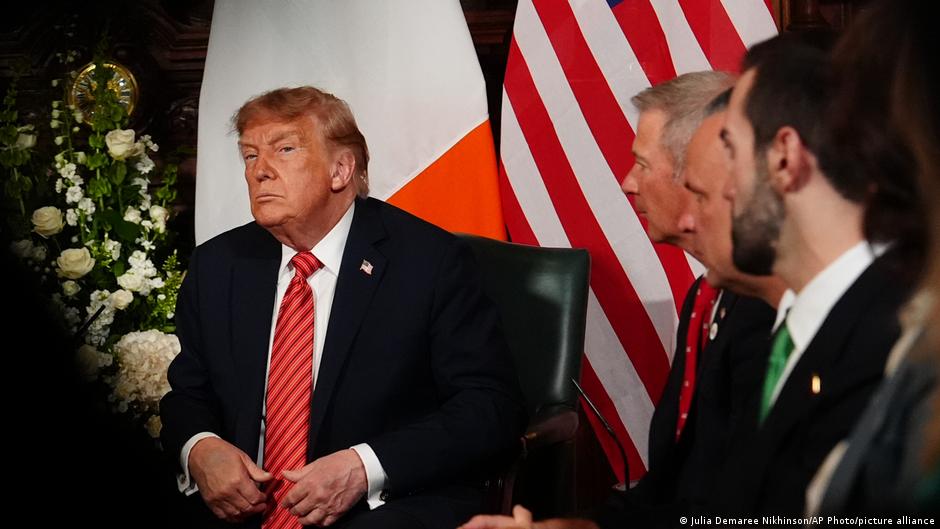
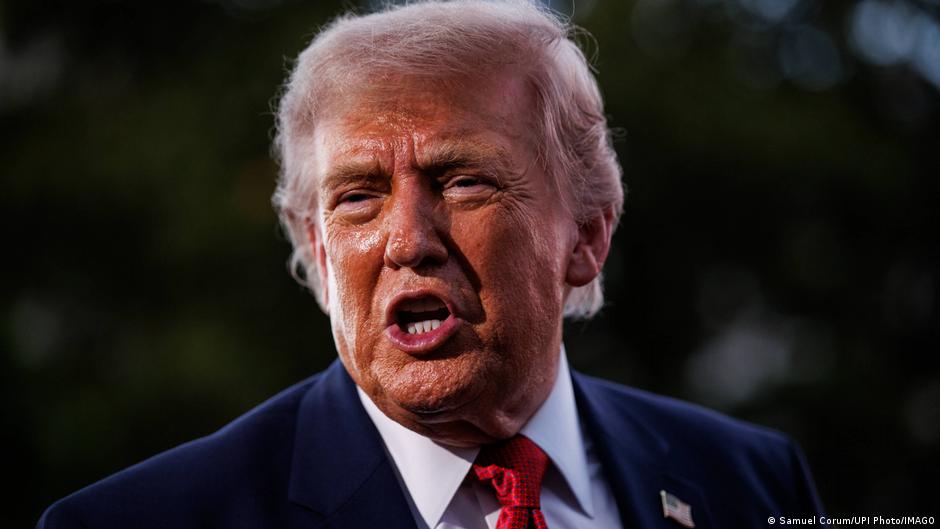
President Donald Trump announced the decision to send 5,000 "additional" soldiers to Poland, citing strong relations with Polish President Karol Nawrocki. The announcement was made on May 22 via the President's social media platform, Truth Social. However, specific details about whether this represents a new contingent or continuation of the previously planned deployment of the 2nd Armored Brigade Combat Team, 1st Cavalry Division (around 4,000 troops), remain unclear.
This deployment decision follows a recent Pentagon reversal. On May 13, plans to send 4,000 troops to Poland were unexpectedly cancelled, reportedly as part of a broader Pentagon strategy to reduce US military presence in Europe. That decision reportedly surprised military officials and generated discontent among Polish defense circles, who learned of the cancellation through media rather than official channels.
"Given our successful support for Poland's current president and our strong bilateral relations, I am pleased to announce this troop increase," President Trump stated.
From an equity market perspective, defense contractors and military logistics companies could see renewed investor interest as deployment plans stabilize and possibly expand. Stocks related to defense manufacturing, such as those producing armored vehicles, aircraft, and military technology, may experience sector rotation inflows due to increased demand forecasts. Additionally, trading volumes in equities tied to European security and NATO contracts could rise on anticipation of sustained or increased military spending.
Meanwhile, the broader geopolitical environment includes the US military's ongoing drawdown of approximately 5,000 troops from Germany, linked to criticisms of US and Israeli policies on Iran. These troop relocations and reassignments are causing shifts in supply chain priorities and defense procurement strategies.
Strategic Context and Future Outlook
As of mid-May, Poland hosted approximately 7,400 US troops, with the US maintaining around 100,000 service members across Europe—over 65,000 permanently stationed and the rest rotating. A recent Pentagon announcement detailed plans to withdraw one of four brigade combat teams from Europe, effectively reducing troop numbers to 2021 levels. NATO leadership, however, has emphasized that such withdrawals will not weaken the alliance's defense posture, highlighting investments in European military capabilities.
Congressional oversight adds complexity to troop reductions, with legislation preventing cuts below 76,000 personnel in Europe for more than 45 days without detailed justifications from the Pentagon and EUCOM leadership. This legislative framework ensures sustained US commitment to European security, influencing defense sector forecasts.
For investors, the evolving US military deployment strategy underscores the importance of monitoring defense spending trends, geopolitical risk, and sector rotation within equities. Companies positioned to benefit from sustained US and NATO military presence in Eastern Europe may attract capital inflows, while uncertainties regarding troop reductions could impact defense contract valuations and trading volumes.