UniCredit Wins ECB Approval to Advance Commerzbank Takeover
The Italian lender can cross the 30% ownership threshold, sharpening investor focus on European bank consolidation and German opposition.
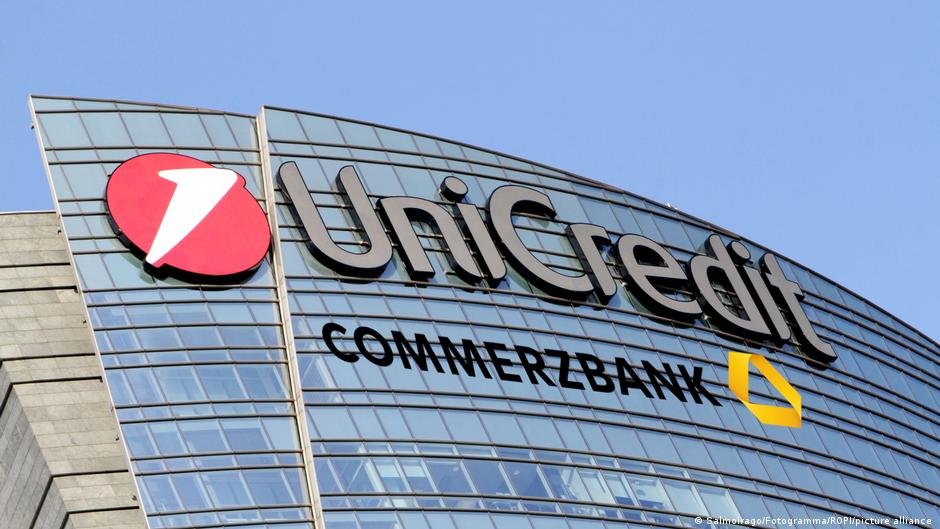
UniCredit has received approval from the European Central Bank to acquire additional shares in Commerzbank, clearing a critical regulatory hurdle in the Italian lender’s effort to take control of Germany’s second-most important commercial bank.
UniCredit representatives announced the ECB decision on Thursday, October 15. The authorization allows the Italian bank to move beyond a 30% holding in Commerzbank and subsequently increase its ownership without further limits, according to German news agency dpa. In practical terms, the ruling gives UniCredit a path toward absorbing the Frankfurt-based lender.
For equity investors, the decision shifts attention from regulatory risk to execution, shareholder participation and political resistance. UniCredit and Commerzbank shares are the most directly exposed securities, while the wider European banking sector could also draw interest as investors assess whether the approval encourages further cross-border combinations in the eurozone.
Regulatory Risk Recedes as Control Comes Into View
UniCredit described the ECB’s decision as evidence of confidence in the bank’s “strong position in the European banking sector.” The transaction is expected to complete the remaining supervisory procedures by the end of the current year.
The ECB approval permits UniCredit to cross the 30% ownership threshold and continue increasing its stake in Commerzbank without restrictions.
By the end of that process, UniCredit is expected to hold half of the voting rights in Commerzbank’s shareholder council, enabling it to establish control over the German bank, dpa reported. That prospect raises the importance of governance decisions, integration planning and the future allocation of capital across the combined operations.
In May, UniCredit offered Commerzbank shareholders 0.485 UniCredit shares for each Commerzbank share they owned. Through that exchange proposal, the Italian group secured access to nearly half of the German company’s shares. Completion of the share exchange, however, required authorization from the ECB.
The regulatory review was therefore the transaction’s pivotal checkpoint. The approval was not unexpected because the ECB has repeatedly indicated support for bank mergers within the eurozone. The regulator views such transactions as a way to strengthen the European Union’s single internal market.
From a market perspective, the ruling may reinforce the investment case for consolidation among European lenders, particularly where larger institutions can expand across national borders. It may also prompt investors to compare the potential benefits of scale and a broader customer base with the costs and political complications associated with integrating major banking operations.
Sector Rotation and Trading Focus
For Wall Street investors tracking European equities, the announcement creates a more defined event-driven setup around the two banks. Trading attention is likely to center on the exchange terms, the expected timetable for supervisory completion and indications of whether UniCredit can translate voting control into operational control. The source report did not provide share-price moves or trading-volume figures.
Even without reported market data, the removal of a major regulatory obstacle could affect how equity research analysts evaluate the probability of completion. Analysts may now place greater emphasis on integration risks, possible efficiency measures and the response of German stakeholders. The development could also influence relative positioning within financial stocks, as investors weigh banks involved in consolidation against lenders pursuing stand-alone strategies.
The broader sector implications remain tied to the ECB’s stated openness to eurozone banking mergers. If investors interpret the decision as a supportive regulatory signal, European bank stocks could receive greater attention within financial-sector allocations. At the same time, uncertainty over employment, headquarters and Commerzbank’s strategic mission may limit enthusiasm until those issues are resolved.
German Government and Employees Remain Opposed
Commerzbank management and employees, along with German authorities, previously opposed UniCredit’s takeover plans. The German government owns slightly more than 13% of Commerzbank and wants to prevent job losses resulting from cost-cutting and optimization measures after a takeover.
German authorities also want Commerzbank to remain a publicly traded company headquartered in Frankfurt am Main. They are seeking assurances that the bank will continue developing services for Germany’s small and medium-sized businesses, a central part of its domestic role.
Those demands create a continuing political overhang despite the ECB clearance. Investors will now watch whether UniCredit can reconcile its control ambitions with German priorities on employment, corporate structure and lending to smaller companies. The balance between those objectives is likely to shape equity research assessments of the transaction’s strategic value and execution risk through the end of the year.