Ukraine Power Strikes Put Utilities and Regional Risk in Market Focus
Attacks on energy infrastructure disrupted electricity and water supplies in Kyiv and Lutsk, sharpening investor attention on regional assets.
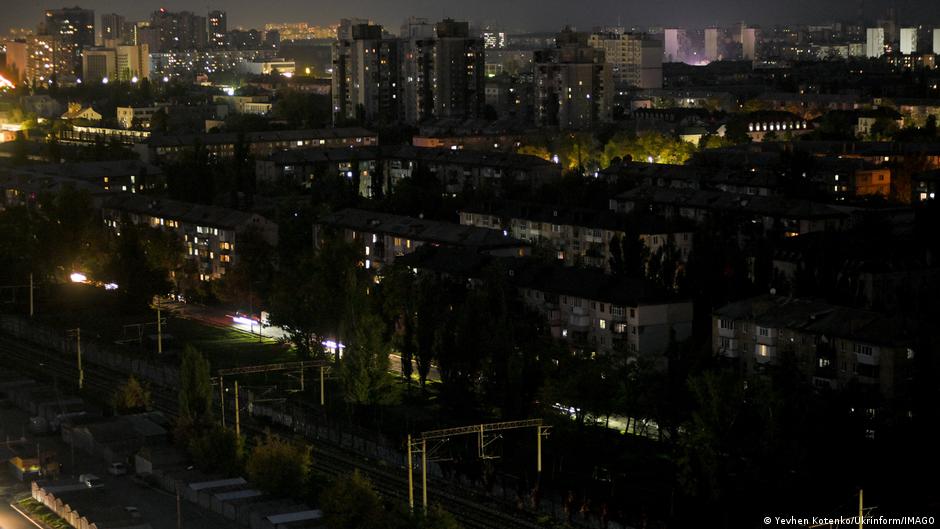
Damage to Ukrainian energy infrastructure disrupted electricity supplies in parts of Kyiv and the surrounding region on Thursday evening, October 15, while water pressure also declined in some districts of the capital, according to Ukraine’s Energy Ministry and Kyiv Mayor Vitali Klitschko.
Separate disruptions were reported in the Volyn region after debris from intercepted drones damaged power transmission lines. The developments place Ukraine’s electricity network back in focus for equity investors assessing infrastructure risk, operational continuity and the potential financial burden of repeated repairs.
The source report did not identify individual publicly traded companies affected by the outages, provide estimates of financial losses or cite stock-price and trading-volume moves. As a result, the immediate Wall Street implications remain primarily thematic rather than tied to a confirmed earnings impact for a specific issuer.
Utilities and infrastructure risk return to the foreground
Ukraine’s Energy Ministry said the Russian military struck an energy infrastructure facility in the Kyiv region, causing electricity outages in individual parts of Kyiv and the surrounding area. Officials said repair crews would begin restoring supplies as soon as security conditions permitted.
“As soon as security conditions allow, crews will promptly begin restoring electricity supplies. Energy workers are doing everything possible to restore power as quickly as possible,” the ministry said.
Klitschko said damage to energy facilities in the Kyiv region also reduced water pressure in parts of the capital. For market participants, the combination of electricity and water disruptions underscores the interconnected nature of essential infrastructure: damage to the power network can rapidly affect municipal services beyond electricity distribution.
The evening attack also extended to the Volyn region. Roman Romaniuk, head of the regional military administration, said debris from downed drones damaged transmission lines, leading to interruptions in electricity and water supplies in Lutsk, the regional capital.
Romaniuk said three jet-powered drones entered Volyn airspace during the evening air alerts and were shot down by air-defense forces. The account highlights a continuing investment consideration surrounding defense interception: even when incoming weapons are destroyed, falling debris can still damage power lines and other infrastructure.
Equity investors face a broad sector read-through
Without disclosed company-level exposure, investors are likely to monitor sectors rather than trade on a verified impact to named stocks. The most direct areas of attention include power generation, transmission equipment, grid repair services, water infrastructure and defense suppliers. Banks, telecommunications providers, industrial companies and consumer-facing businesses with operations in Ukraine may also face scrutiny over backup-power requirements and service interruptions.
Any sector rotation would depend on the duration and geographic reach of outages, the pace of repairs and evidence of material effects on corporate operations. The report supplied no trading-volume figures, analyst rating changes or equity-research revisions, leaving no basis for attributing a specific Wall Street price move to Thursday’s events.
From an equity-research perspective, the central variables are likely to be outage duration, replacement costs, access to repair equipment and the resilience of water and heating systems. Analysts may also assess whether repeated attacks increase capital expenditure needs or raise operating costs for businesses that depend on generators and alternative energy supplies.
Reported plan raises the scale of potential disruption
The New York Times reported, citing an intercepted Russian attack plan that Ukraine presented to European officials in early autumn, that Russia had prepared a campaign intended to disable the country’s energy system and cut Kyiv, Kharkiv and Odesa off from electricity, water and heating supplies.
According to the newspaper’s assessment, implementing the plan would require about 70 ballistic missiles, 720 long-range drones and 150 guided bombs. Under that scenario, Kyiv, Kharkiv and Odesa would lose about 90% of their electricity capacity, heating supplies would fall by 90%, and water and sewerage systems would suffer severe disruption.
The newspaper’s sources said Russia could seek to exploit shortages in Ukraine’s air-defense resources, particularly interceptor missiles for the Patriot air-defense system. For investors, that reported vulnerability broadens the risk beyond isolated utility outages to the possibility of sustained disruption across several major cities.
The near-term market response will therefore depend on whether the latest damage is repaired quickly or signals a wider campaign against Ukraine’s energy network. Until company disclosures, confirmed loss estimates or measurable trading reactions emerge, the defensible equity view is one of elevated infrastructure and operational risk rather than a quantified earnings shock to specific stocks.