UN Peacekeeping Personnel Hits 25-Year Low Amid Funding and Geopolitical Strains
SIPRI reports a sharp decline in UN peacekeeping forces, signaling potential risks for global conflict resolution efforts.
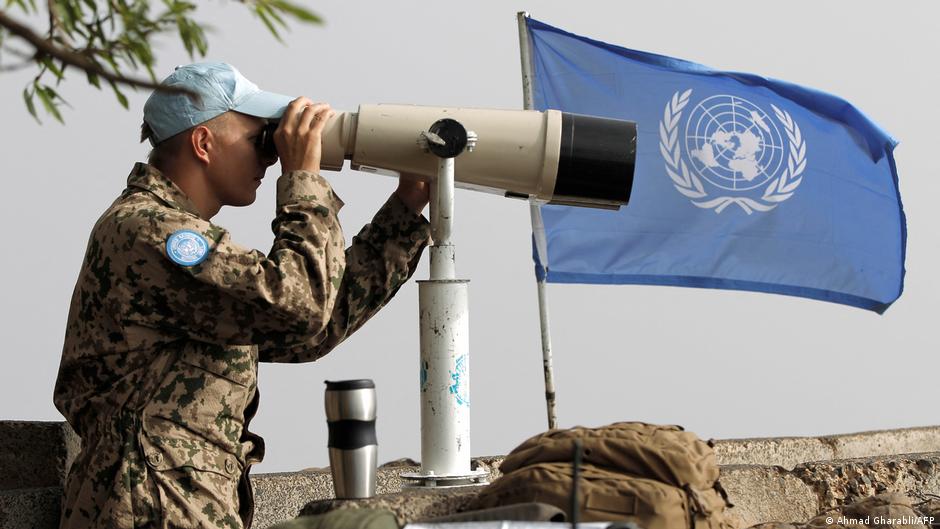
The number of United Nations peacekeepers worldwide has fallen to its lowest level since the year 2000, according to a recent report by the Stockholm International Peace Research Institute (SIPRI). This sharp decline is attributed to ongoing geopolitical tensions, political pressures, and a significant funding crisis impacting peacekeeping operations globally.
Implications for Global Security and Market Reactions
As of December 31, 2025, international peacekeeping personnel numbered 78,633, marking a 49% decrease from 2016 and a 17% drop in just one year. The reduction in personnel has been a decade-long trend but intensified dramatically in 2025. SIPRI experts warn that if these trends continue, the effectiveness of multilateral conflict resolution efforts, including those led by the UN, could be severely compromised.
"If this development continues, we will see a dramatic weakening of multilateral conflict resolution efforts and a near-total loss of significance for institutions like the UN," said Yair Van Der Leyn, SIPRI's director for peace operations and conflict resolution.
Market analysts on Wall Street have noted that this geopolitical development is influencing sector rotation and trading volumes, particularly in defense-related stocks and emerging market equities. Investors are recalibrating risk assessments as the potential for increased regional conflicts rises, especially in geopolitically sensitive areas such as Sub-Saharan Africa and the Middle East.
The SIPRI report outlines that 58 international peacekeeping operations were conducted across 34 countries in 2025, down by four operations from the previous year. Notably, the UN mission in Nagorno-Karabakh was among those not extended. The majority of peacekeepers—73%—were deployed in just five operations, underscoring concentrated activity in specific regions, primarily Sub-Saharan Africa.
Funding shortfalls are a critical factor behind the personnel cuts. In July 2025 alone, UN peacekeeping operations faced a $2 billion deficit, equating to 35% of their $5.6 billion budget for 2024-2025. The shortfall resulted from delayed or incomplete contributions by major donors, forcing the UN to reduce staff across numerous missions.
Political dynamics have further complicated the renewal of peacekeeping mandates. For example, despite ceasefire violations in 2024 between Israel and Lebanon, the US pushed for the termination of the UN Interim Force in Lebanon (UNIFIL) during August 2025 mandate renewal talks. The Security Council eventually agreed to a last extension until December 2026 as a compromise.
Since 2014, no new UN peacekeeping mandates have been issued, with regional organizations like the African Union and the Economic Community of West African States stepping in to conduct some operations. However, these bodies face similar challenges, including funding gaps and geopolitical deadlock, as seen in Sudan and Ukraine.
Claudia Pfeiffer Cruz, a senior researcher at SIPRI, emphasized the irreplaceable role of UN peacekeeping missions. "Regional organizations lack key capabilities for integrated peacekeeping and suffer from the same funding and consensus-building issues as the UN," she noted. The erosion of UN-led conflict resolution leaves a growing void that alternative models cannot adequately fill.
Despite these challenges, international support for peacekeeping remains stable, with over 130 UN member states participating in the May 2025 Peacekeeping Ministerial in Berlin. Experts urge governments to move beyond verbal commitments to ensure predictable funding and political frameworks necessary for effective multilateral peace operations.
From a financial market perspective, equity research teams highlight that defense stocks and companies involved in security services may experience increased interest amid rising global uncertainties. Meanwhile, trading volumes in risk-sensitive sectors could fluctuate as investors react to the shifting geopolitical landscape and potential hotspots of conflict.