UN Faces Bankruptcy Risk Amid Delayed Payments from US and China Impacting Global Markets
Delayed contributions by the US and China strain UN finances, prompting cost-cutting that may influence related sectors and investors.
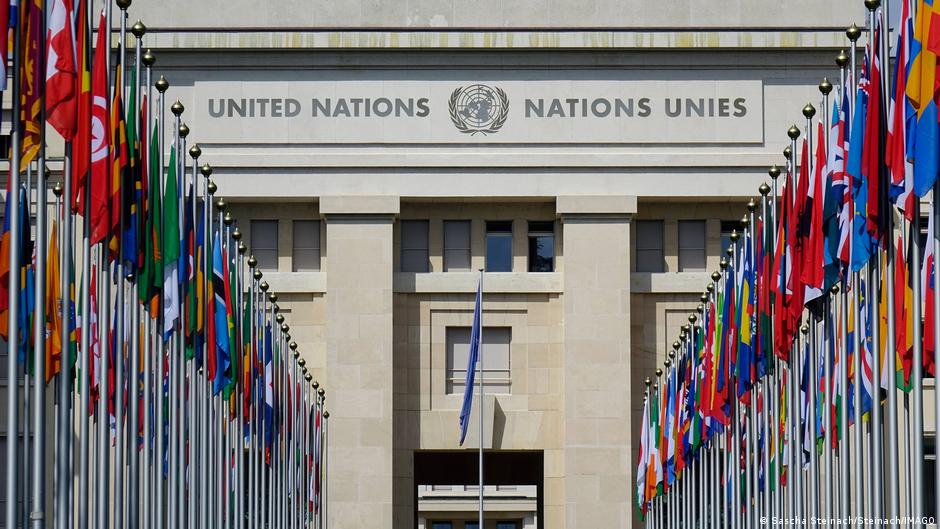
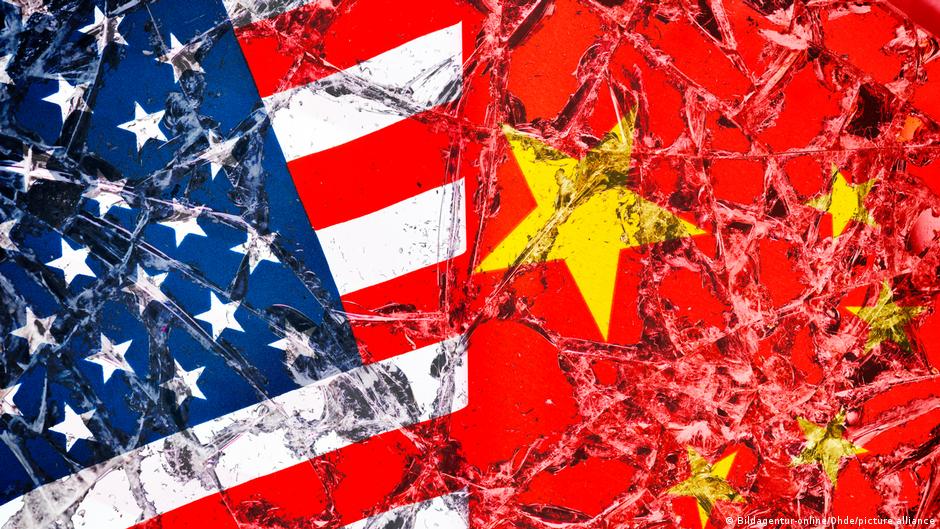
The United Nations is on the brink of bankruptcy due to delayed payments from the United States and China, which together make up 42% of the organization’s budget revenue, according to reports highlighting financial strains that could ripple through global markets.
Financial Stresses and Sector Implications
The US reportedly owes the UN over $4 billion, while China, despite a recent payment of nearly $850 million during Foreign Minister Wang Yi’s visit to the UN headquarters in New York, still has an outstanding debt of $455 million. China maintains it remains a main financial sponsor, promising to fulfill its obligations.
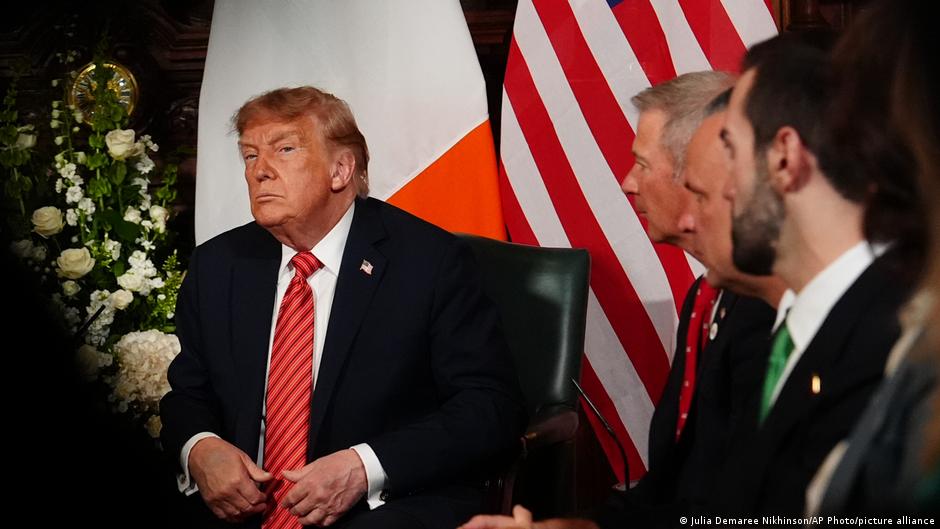
The US government has linked future financial support to reductions in UN spending, demanding measures such as job cuts, fewer business-class flights, and increased use of machine translation. These austerity measures have already led to significant operational cutbacks, including the closure of some offices and eliminating about 3,000 secretariat positions.
Other major donors like Germany and the UK have also reduced funding, affecting humanitarian programs combating hunger and disease. Political shifts toward the right in countries like Sweden and the Netherlands have further tightened financial contributions, according to analysts.
"The United Nations is in a 'race to bankruptcy,' facing a 'very real prospect of financial collapse' by mid-August," warned UN Secretary-General Antonio Guterres in October 2023.
Amid these fiscal challenges, the UN has curtailed peacekeeping operations, accelerated troop withdrawals from African conflict zones, and deferred payments to poorer troop-contributing countries like Nepal and Bangladesh. Operational efficiencies have included reducing translators’ shifts, switching off escalators, and postponing maintenance of the UN headquarters facade in New York.
Market Impact and Equity Research Perspectives
The ongoing financial crisis at the UN introduces uncertainty in sectors linked to global governance, international aid, and security services. Stocks of companies specializing in peacekeeping logistics, humanitarian aid suppliers, and international consultancy firms may experience increased volatility as reduced funding constrains operations.
Investor caution is also reflected in trading volumes within sectors sensitive to geopolitical stability. Equity research analysts highlight potential sector rotations as investors seek to hedge against risks stemming from diminished UN activity and the broader implications for global cooperation.
Furthermore, the US government's insistence on fiscal reforms within the UN may signal a more stringent approach to foreign aid budgets, affecting multinational contractors and non-governmental organizations dependent on stable funding flows.
Markets should closely monitor developments in US-China relations over UN contributions, as delayed payments by two of the largest economies underscore geopolitical tensions influencing global financial commitments.