Ukraine's Security Service Targets Over 100 Russian Strategic Assets in 40-Day Offensive
Ukraine's security forces have struck more than 100 key Russian infrastructure sites and over 21,000 military targets during a sustained 40-day campaign.
Ukraine's Security Service (SBU) has reported a significant military campaign targeting Russian strategic assets and military equipment over a 40-day period aimed at compelling Russia to cease hostilities.
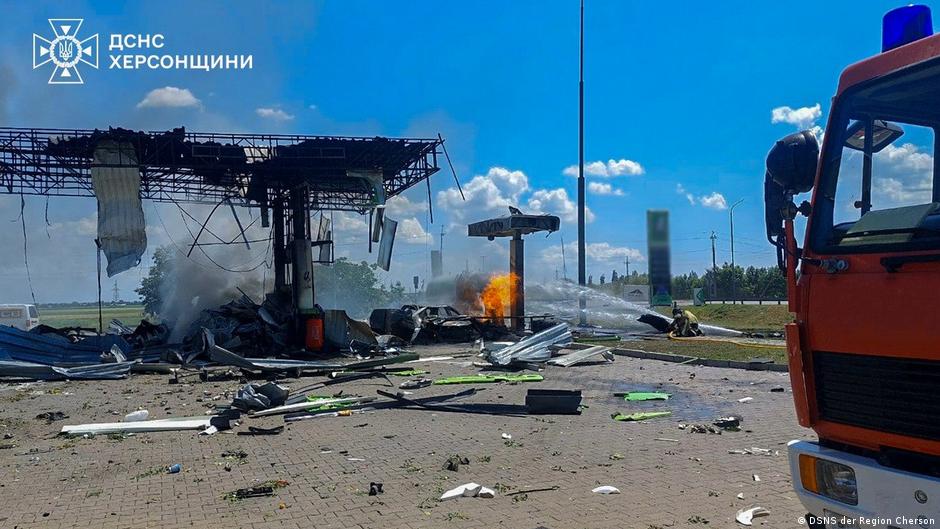
According to the SBU, the operation, approved by President Volodymyr Zelensky on June 25, involved strikes on more than 100 strategic facilities within Russian territory and temporarily occupied Ukrainian regions. The campaign also targeted upwards of 21,000 military installations and equipment on the front lines.
Impact on Military and Energy Infrastructure
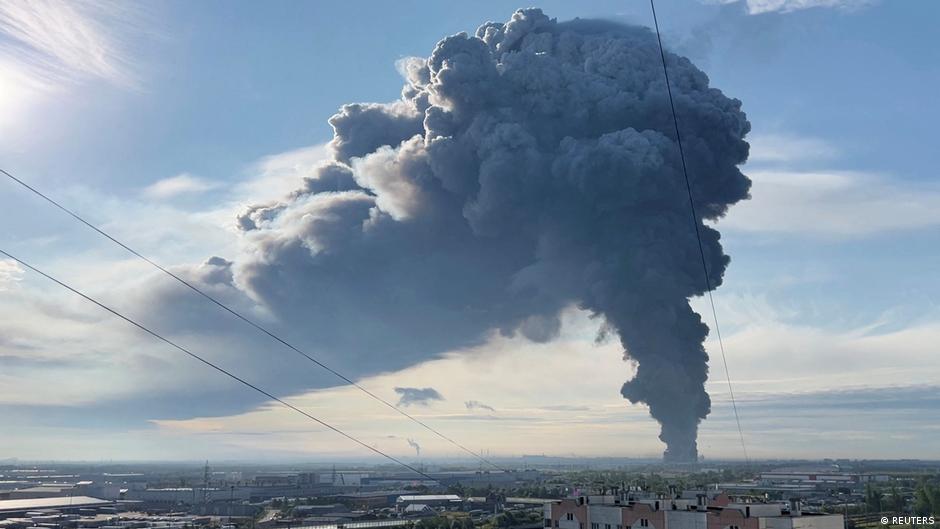
The operation focused on critical military-industrial enterprises, airbases, air defense systems, command centers, Russian Navy vessels, and shadow fleet tankers. Additionally, key oil and energy infrastructure was systematically targeted. The SBU reported strikes on 14 oil refineries, multiple oil depots, tank farms, pumping stations, oil terminals, and even an oil extraction platform. Several tankers and cargo ships under international sanctions were also hit.
"The 40-day campaign aimed to simultaneously weaken key elements of the Russian military machine," the SBU stated. "Efforts to reduce Russia's military-economic potential will continue."
The operation reportedly destroyed or damaged more than 21,000 units of military equipment and infrastructure, inflicting casualties with nearly 5,000 Russian military personnel killed.
Market and Sector Implications
This escalation is affecting market dynamics, particularly in sectors related to energy, defense, and shipping. The targeting of Russian oil infrastructure has contributed to volatility in global energy prices and influenced trading volumes in energy stocks and commodities. Investors are closely monitoring how continued Ukrainian operations might disrupt Russian energy exports and shift supply chain dynamics.
On Wall Street, equities tied to defense contractors and energy companies have seen fluctuating trading volumes amid heightened geopolitical tension. Sector rotation has favored energy firms with diversified supply chains and defense manufacturers expected to benefit from increased military spending forecasts.
Equity research analysts emphasize the need to assess the evolving conflict's impact on commodity prices and defense sector valuations. The sustained campaign suggests further pressure on Russian energy exports, potentially boosting alternative energy stocks and increasing demand for defense equipment globally.
President Zelensky has recently authorized further operations, signaling continued pressure on Russia. Market participants should prepare for ongoing volatility influenced by geopolitical developments.