Trump Signs Graham Sanctions Bill, Raising Russia-Energy Risk for Markets
The new U.S. law gives the president broad discretion over tariffs and sanctions tied to Russian energy flows and evasion networks.
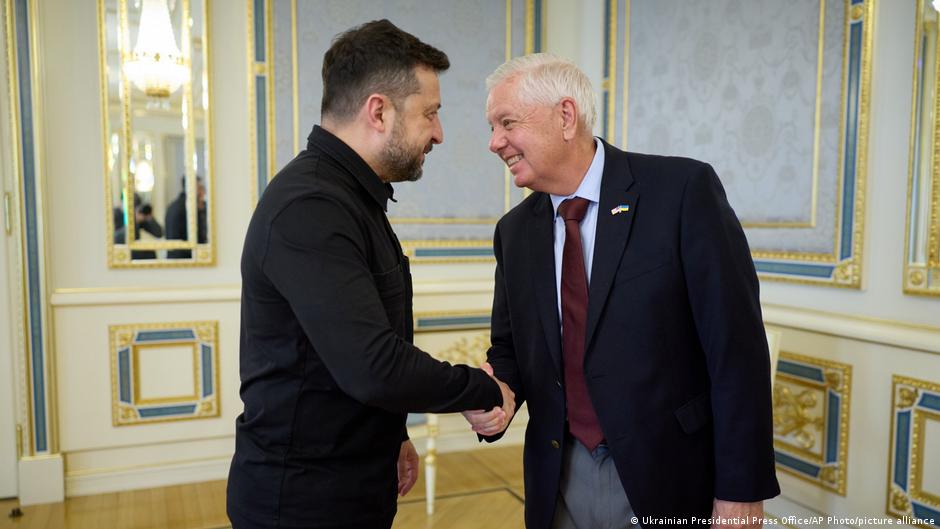
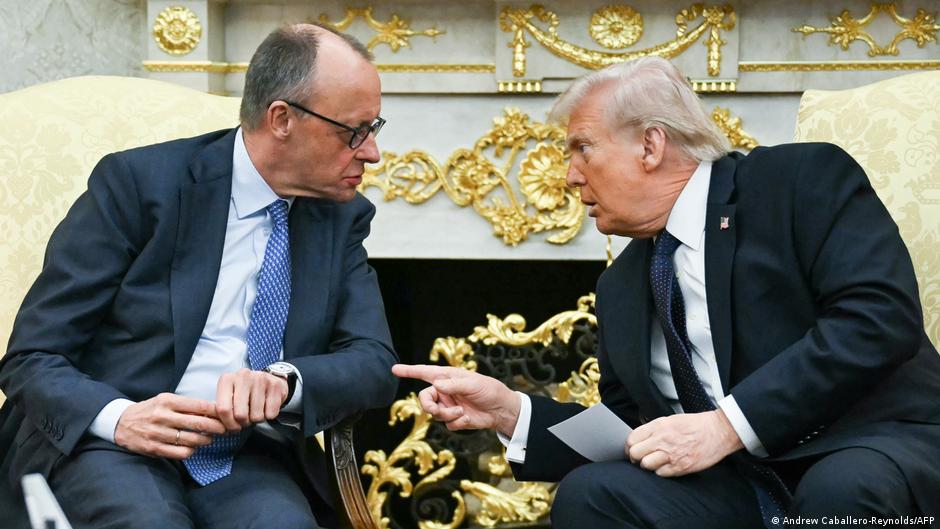
President Donald Trump on Friday, September 18, signed legislation tightening U.S. sanctions on Russia over its continuing war against Ukraine, a measure that could sharpen Wall Street's focus on energy importers, global banks, shipping exposure and companies with supply chains linked to sanctioned jurisdictions.
The bill, developed and promoted by the late Republican senator Lindsey Graham, gives the U.S. president authority to impose 100% tariffs on the five largest buyers of Russian oil and gas, as well as on five countries accused of helping Moscow evade energy sanctions. It also includes exemptions for countries that receive less than 15% of their consumed natural gas from Russia and are taking steps to reduce that import dependence.
For equity markets, the law's importance lies less in an automatic sanctions trigger than in the discretion now placed in the White House. The final version gives Trump the power to decide whether to impose or lift the measures described in the bill, a departure from the usual practice in which such actions require coordination with Congress. That discretion creates a policy variable for traders assessing energy prices, emerging-market risk, multinational revenue exposure and sector rotation around defense, oil services, shipping and financial compliance.
Energy, Banks and Shipping Move Into Focus
The legislation provides for sanctions against Russian officials, banks, business figures and the so-called shadow fleet used to move energy exports outside standard channels. It also extends U.S. sanctions on Iran until 2031, adding another layer to the geopolitical risk premium around oil, shipping insurance and dollar-clearing activity.
Investors are likely to watch how aggressively the administration applies the law to major buyers of Russian energy. A 100% tariff on large importers of Russian oil and gas could affect countries and companies with direct or indirect exposure to Russian crude, refined products, liquefied natural gas or pipeline gas. The measure may also influence equity research views on energy majors, tanker operators, commodity traders, banks with sanctions-screening responsibilities and industrial companies exposed to higher input costs.
The source legislation does not specify immediate market moves, trading volumes or named U.S.-listed companies affected by the signing. As a result, the near-term market impact will depend on implementation decisions, enforcement guidance and whether the White House names specific countries, financial institutions, business figures or vessels. Until that happens, analysts may treat the law as an expansion of headline risk rather than a fully priced sanctions event.
President Volodymyr Zelensky of Ukraine thanked Trump for signing the measure, emphasizing the importance of increasing pressure on Moscow to end the war. In a post on Telegram, Zelensky also thanked senators and members of the House of Representatives who supported the bill.
“Senator Graham never doubted for a moment that America had enough strength to fight dictators and achieve results if it acted the right way,” Zelensky wrote, according to the source text.
The bill, HR 5334, was introduced in April 2025 by Graham together with Democratic senator Richard Blumenthal. Because Trump preferred to communicate with Graham, a fellow Republican, the senator's name became closely associated with the sanctions package, and the measures became widely known as “Graham sanctions.”
From “Hellish” Tariffs to Presidential Discretion
The legislation was lobbied for about a year and a half before its adoption. Graham did not live to see it enacted; the senator died on July 11, 2026. The bill was also publicly described as the “Lindsey Graham law,” reflecting his role as one of its authors and its most visible Republican advocate.
In its original form, the proposal envisioned customs duties of up to 500% on products from Russia while Moscow continued its war against Ukraine and refused peace talks. The president was expected to periodically determine whether Moscow was ready for dialogue and, if Russia refused, impose sanctions. Because of the 500% threshold, the measures became known as “hellish” sanctions. The proposal also targeted products from countries buying Russian oil, but the tariff ceiling for importers of Russian oil was later reduced to 100%.
During debate over the Graham-Blumenthal initiative, Trump alternated between supporting such measures and opposing their adoption. By the time he signed the legislation, the bill had changed significantly, expanding the president's authority. In its final form, it allows Trump to decide when to apply or cancel the measures. It also gives him room to use the bill's provisions in connection with his continuing trade war against China.
That element is central for markets. Tariffs tied to Russian energy purchases could become part of a broader trade confrontation, potentially affecting investor expectations for companies exposed to China-linked supply chains, global manufacturing margins and consumer prices. The bill therefore intersects with both sanctions policy and tariff policy, two areas that equity investors already monitor closely because of their effect on inflation, corporate margins and cross-border demand.
House Democratic Minority Leader Hakeem Jeffries criticized the breadth of the authority given to the president. He argued that life in the United States is already too expensive and questioned why Congress or the House should give the president unlimited power to impose new tariffs around the world with negative economic consequences for the American people.
“I cannot do that,” Jeffries said, explaining his position, according to the source text.
Supporters of the bill counter that it sends an important signal of U.S. support for Ukraine at a time when the intensity of fighting is increasing. For Wall Street, that signal now has a tradable policy dimension: sanctions risk may feed into energy volatility, tariff-sensitive sectors and compliance-heavy financial names, while the absence of immediate designations may leave markets waiting for the first concrete enforcement decisions.