Merz Says Era of Unconditional Transatlantic Ties May Be Over
Germany’s chancellor framed the deterioration in relations with Washington as both a geopolitical risk and a catalyst for defense-led reform.
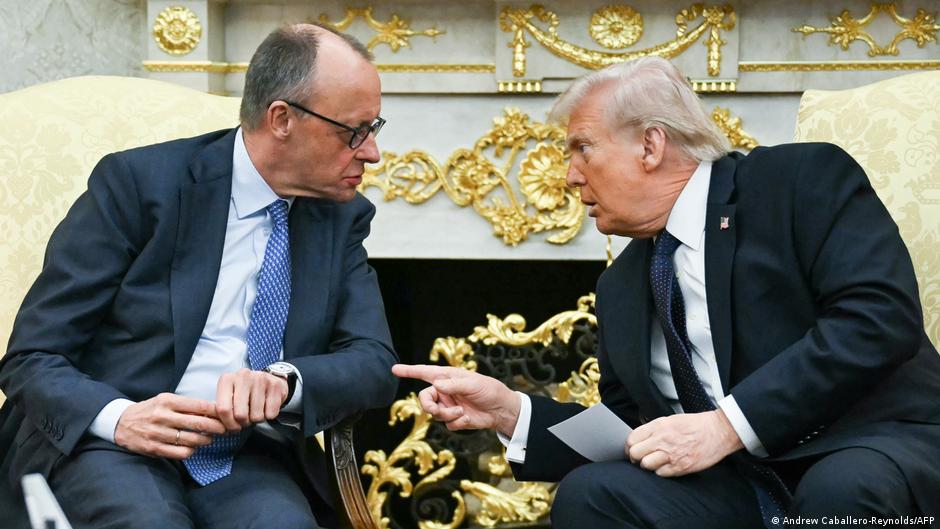
German Chancellor Friedrich Merz said the era of “unconditional transatlantic friendship” may be over for the long term, sharpening the political backdrop for investors already tracking European defense spending, trade friction and energy-linked shipping risks.
Speaking at a Christian Democratic Union campaign event in Berlin on Thursday, September 17, Merz said Germany was witnessing a shift across the Atlantic in political approaches and in the assessment of the transatlantic alliance that had previously seemed hard to imagine. His remarks, reported by dpa, came as relations between Berlin and Washington have deteriorated under U.S. President Donald Trump.
For equity markets, the comments add another layer to a rotation already visible around European strategic autonomy: defense contractors, industrial suppliers, shipping-linked names and exporters exposed to U.S.-EU trade flows remain sensitive to every sign that Germany may rely less on Washington and spend more at home. German defense names such as Rheinmetall and Hensoldt, broader European aerospace and defense groups, and industrial companies tied to public procurement are among the stocks investors typically watch when Berlin signals a larger security role.
“We have emerged from this valley of a shrinking or stagnant economy,” Merz said, while adding that Germany still needs reforms.
Defense Spending Moves Into the Market Frame
Merz presented the tension with the United States not only as a diplomatic setback but also as an opportunity Germany should not miss. He said the country must use the moment to take greater responsibility for its own security and development, pointing in particular to the federal government’s significantly increased defense spending.
That framing matters for Wall Street because Germany is the largest economy in Europe and a bellwether for fiscal priorities across the region. Any sustained increase in German defense outlays can influence earnings expectations for listed contractors, electronics suppliers, vehicle makers, cybersecurity providers and engineering firms. It can also affect sector allocation, with portfolio managers comparing defense and infrastructure-linked equities against more trade-sensitive autos, chemicals and machinery companies.
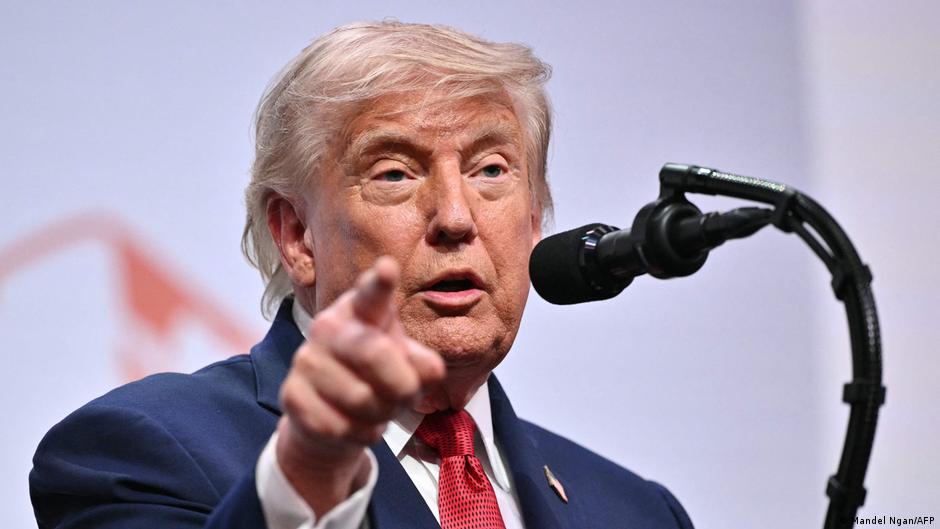
The political deterioration stems from several disputes. According to the report, Trump initially treated Merz favorably at the start of his second presidential term. Relations worsened after Merz refused to support the United States in the war with Iran. Trump then began criticizing German authorities, including by attributing false statements to Merz.
The strains have also been amplified by Washington’s gestures toward Germany’s right-wing populists. Earlier in September, Trump congratulated the far-right Alternative for Germany party on its victory in state elections in Saxony-Anhalt. Berlin had already criticized previous signs of support from Washington for German right-wing populists.
The political context is important for investors because it increases headline risk around German assets. Autos and industrial exporters can be vulnerable to trade-war rhetoric and tariff uncertainty, while defense and security-linked shares can benefit from expectations of higher domestic procurement. Banks and cyclical stocks may respond more directly to the growth outlook Merz described.
Growth Outlook Offers a Counterweight
Merz also pointed to signs of economic recovery after several years of stagnation in Germany. He said forecasts suggest the German economy is expected to grow by around 1.3 percent in 2026. That figure gives equity strategists a macro anchor for assessing whether Germany’s domestic recovery can offset external pressure from trade disputes and geopolitical uncertainty.
A return to growth would be relevant for German equities and U.S.-listed funds with exposure to Europe. It could support cyclical sectors if investors believe fiscal spending, reforms and stronger domestic demand are beginning to revive earnings. But Merz’s insistence that further reforms remain necessary suggests the government is not presenting the recovery as secure or self-sustaining.
Later the same day, German government spokesperson Stefan Kornelius said Merz and Trump had held a phone call that Berlin had previously postponed. Kornelius said Merz discussed the next steps toward ending Russia’s war against Ukraine, welcomed the U.S. Congress’s adoption of a Russia sanctions package initiated by Senator Lindsey Graham, and addressed shipping problems in the Strait of Hormuz and the Red Sea caused by the war in Iran.
Those issues reach directly into market pricing. Sanctions policy can affect energy, commodities, defense and banks with regional exposure. Shipping disruptions in the Strait of Hormuz and the Red Sea can influence freight costs, delivery schedules, insurance rates and margins for companies dependent on global supply chains. For traders, the combination of sanctions, maritime risk and defense spending creates a cross-asset watchlist that extends from oil and shipping to European industrials and U.S. multinationals.
The call had originally been planned around the anniversary of the September 11, 2001 terrorist attacks. Berlin postponed it the day before it was scheduled, without giving a reason. The delay followed Trump’s praise for Alternative for Germany after the party’s strong victory in the Saxony-Anhalt state parliament election.
Berlin reacted with irritation to Trump’s comments. Metin Hakverdi, the German government coordinator for transatlantic cooperation, said Germans were capable of deciding for themselves how to handle migration and whom to elect. “We do not need advice from the White House on this,” he said.
For investors, Merz’s message is that transatlantic political risk is no longer a temporary noise factor. It is becoming part of the investment case for German and European equities: a potential drag on exporters exposed to trade wars, a potential tailwind for defense and security spending, and a catalyst for a more assertive European policy mix. The near-term market question is whether higher public spending and a projected 2026 recovery can outweigh the volatility created by a more unpredictable relationship with Washington.