Russian Refinery Outage Puts Energy Supply Risk Back on Market Radar
Drone damage at the Yaroslavl refinery has halted processing and fuel shipments, adding pressure to Russia’s fuel market and energy-linked equities.
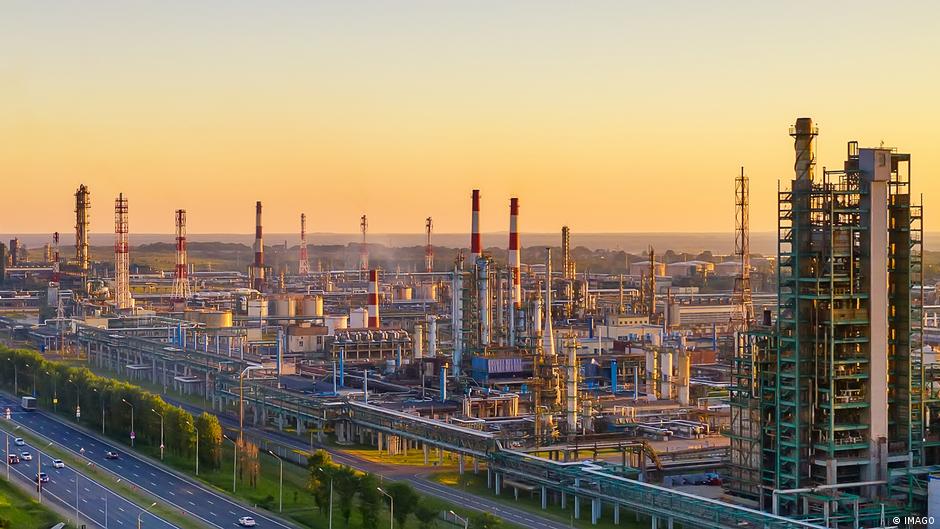
A major Russian refinery outage is sharpening investor focus on energy infrastructure risk, regional fuel shortages and the trading implications for oil, refined products and companies with exposure to Russian supply chains. The Slavneft-Yaroslavnefteorgsintez refinery, known as YANOS, has stopped crude processing and fuel shipments after another Ukrainian drone attack damaged key production units, Reuters reported, citing four industry sources.
The Yaroslavl refinery, one of Russia’s largest and previously a supplier of fuel to the Moscow region, ranks among the country’s top refining assets. The latest disruption followed an overnight drone strike on Sept. 17 that damaged the AVT-3 crude processing unit, which accounted for 40 percent of the plant’s capacity, according to the report. Yaroslavl regional governor Mikhail Yevrayev confirmed damage and a fire at the plant, with firefighters spending several hours extinguishing the blaze.
The outage matters for markets because it hits a facility with stated annual capacity of 15 million tons of crude oil and substantial product output. The refinery supplied more than 2.6 million tons of gasoline and 4 million tons of diesel annually, according to the source article. Its AVT-3 unit alone was capable of processing about 17,000 metric tons of crude per day. For traders, the question is less whether one plant changes global crude balances and more whether repeated refinery disruptions tighten domestic Russian fuel markets, alter export flows and raise the risk premium attached to energy infrastructure.
Refining Disruption Adds to Regional Supply Stress
The latest damage follows an earlier incident at the same refinery. Media reports said another unit, AVT-4, was disabled during a drone attack on the night of Aug. 28. That unit accounted for about 33 percent of YANOS capacity and had not resumed operations. After the attacks, YANOS halted exchange-based fuel shipments.
The Yaroslavl refinery is also the second major refinery in the region to suspend operations in September because of drone-attack consequences. Since Sept. 6, Rosneft’s Ryazan refinery has not shipped fuel. That refinery has capacity of 17 million tons of oil per year, compared with the Yaroslavl refinery’s stated 15 million tons per year.
For equity investors, the development points to several areas of sensitivity. Refiners and oil producers connected to Russian domestic fuel logistics face operational uncertainty, while global energy names may see sentiment effects if traders interpret the disruptions as supportive for refining margins outside Russia. Transport, chemicals and consumer-facing sectors exposed to fuel availability can also be pulled into the discussion if shortages persist. The source article does not provide stock prices, trading volumes or named equity research notes, but the market lens is clear: repeated refinery outages can increase headline risk for energy equities and encourage sector rotation toward companies perceived as less exposed to disrupted Russian infrastructure.
YANOS stopped crude processing and fuel shipments after the latest attack damaged a unit responsible for 40 percent of the refinery’s capacity, according to industry sources cited by Reuters.
The reported shutdown comes against a broader backdrop of Ukrainian strikes on Russian refining assets since the start of Russia’s full-scale war against Ukraine. The Yaroslavl plant has been struck repeatedly by Ukrainian drones, and in 2026 fires occurred at the facility at least eight times, according to the source article.
Fuel Shortage Data Keeps Pressure on Policy Response
The operational damage has coincided with signs of a domestic fuel crunch in Russia. Ukrainian strikes on Russian refining facilities contributed during the summer to a fuel crisis in the country. The Kremlin and President Vladimir Putin have been reluctant to acknowledge the scale of the problem. Putin said fuel difficulties were “temporary” and that refinery attacks were not capable of influencing events at the front.
Data cited from Gdebenzin, a service that aggregates fuel-search sites and services in Russia, showed that in mid-September AI-92 and AI-95 gasoline was unavailable at roughly half of the country’s filling stations. The indicators fluctuated day to day, but a chart published by Novaya Gazeta Europe showed an acute fuel shortage continuing in Russia from mid-August.
For Wall Street desks, the persistence of shortages could be more important than the single-asset outage. A refinery interruption that lasts days can be absorbed differently from repeated damage across multiple facilities. If output losses continue across plants, market participants may reassess Russian product availability, shipping patterns and the durability of Moscow’s domestic price controls or supply-management measures. That creates potential read-throughs for refined product cracks, diesel market sentiment and the relative performance of energy subsectors.
The political dimension is also entering market analysis. In mid-September, Kremlin spokesman Dmitry Peskov spoke positively about U.S. President Donald Trump’s idea of an “energy truce,” which would involve an end to Ukrainian attacks on Russian refineries. Asked whether Russia would in return stop attacks on Ukrainian infrastructure, Peskov did not answer.
Equity research teams are likely to frame the Yaroslavl outage as part of a widening infrastructure-risk premium rather than an isolated plant event. The immediate factual picture is specific: damage to AVT-3 after the Sept. 17 attack, AVT-4 still offline after the Aug. 28 attack, halted fuel shipments from YANOS, and separate disruption at Rosneft’s Ryazan refinery since Sept. 6. The investment implication is broader: refining capacity, fuel logistics and wartime infrastructure exposure remain active variables for energy-sector positioning.