Ukraine’s Population Decline and Displacement Impact Market Sentiment and Sector Rotation on Wall Street
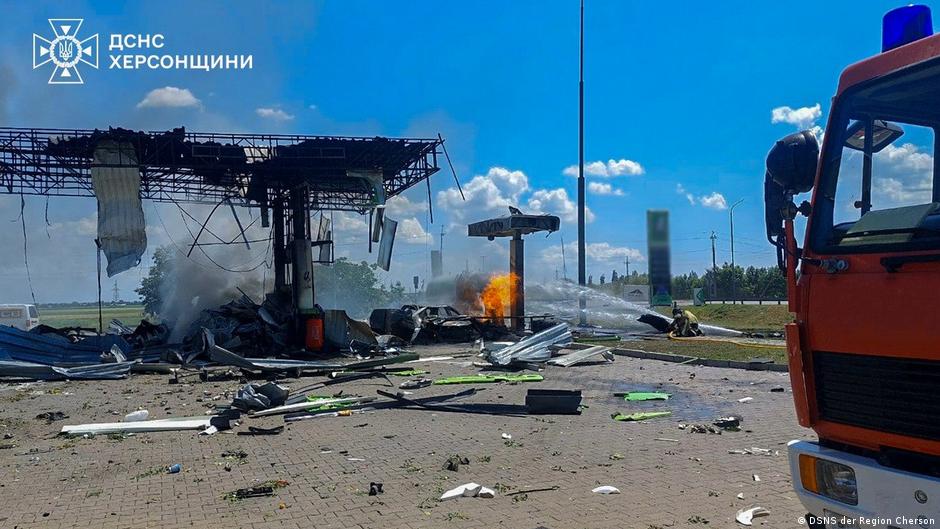
Over 8.4 million Ukrainians live abroad amid ongoing conflict, influencing investor behavior and sector performance in equity markets.
Demographic Shifts in Ukraine Affect Global Market Dynamics
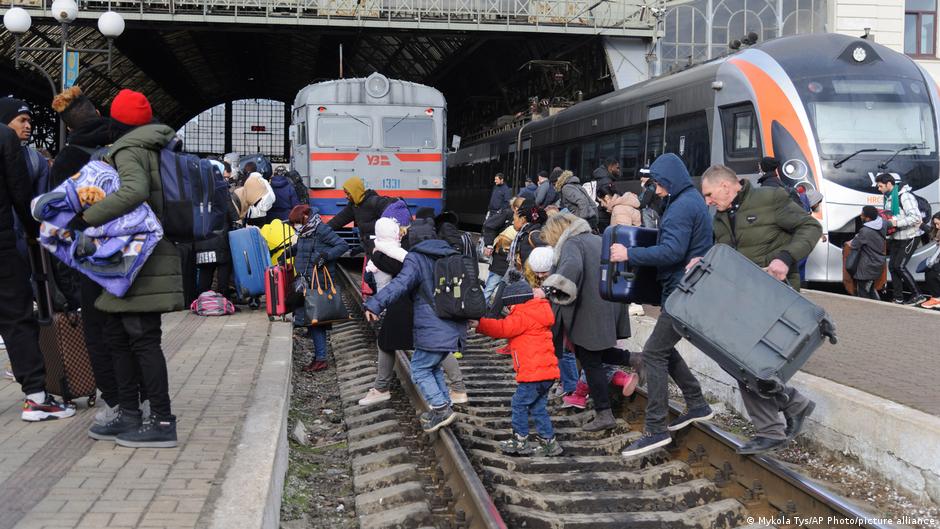
As geopolitical tensions persist in Eastern Europe, new demographic data reveals that over 8.4 million Ukrainians currently reside outside their home country. This significant displacement, alongside Ukraine’s reduced domestic population now estimated at 27-28 million people, is beginning to influence investor sentiment on Wall Street, prompting a reevaluation of sector allocations and trading volumes.
The Ukrainian Ombudsman Dmitry Lubinets highlighted this demographic shift during a recent briefing, underscoring the ongoing human impact of the conflict but stopping short of directly attributing the exodus to Russian aggression. Nevertheless, market participants closely monitor population movements as indicators of broader economic stability and growth prospects in the region.
“More than 8.4 million of our citizens are currently outside Ukraine. It is our duty to ensure each knows Ukraine remembers and protects their rights,” stated Lubinets, emphasizing the government’s concern about diasporic ties.
Market Implications: Sector Rotation and Trading Volume Trends
Ukraine’s demographic decline and geopolitical uncertainty have translated into cautious investor behavior, notably affecting stocks with direct or indirect exposure to the region. Key sectors such as energy, defense, and commodities have seen heightened volatility as market participants digest the human and economic toll of ongoing conflict and migration.
Equity research reports suggest a rotation away from emerging market equities tied to Eastern Europe toward more defensive sectors and geographies perceived as less risky. Trading volumes in companies linked to Ukraine’s supply chains, particularly in agricultural commodities and raw materials, have fluctuated markedly, reflecting investor nervousness about production disruptions.
Moreover, multinational corporations with significant operations in Ukraine face increased scrutiny regarding operational continuity and compliance risks, impacting their stock performance. Conversely, firms in the defense sector have gained investor interest due to increased government spending on security and reconstruction prospects.
Broader Economic Context and Investor Outlook
According to the National Academy of Sciences of Ukraine, the population within territories controlled by Kyiv has shrunk significantly from pre-conflict levels, with estimates now at 27-28 million compared to over 41 million before the 2022 invasion. This contraction reflects not only war-related displacement but also long-term demographic trends exacerbated by conflict.
Eurostat data indicates that the European Union hosts approximately 4.38 million Ukrainian refugees under temporary protection status, with Germany and Poland accommodating the largest numbers. This diaspora presents both challenges and opportunities for EU economies but adds complexity for investors evaluating regional stability.
Market analysts emphasize that while the immediate human impact is paramount, the demographic shifts also serve as a barometer for economic resilience. Continued displacement may slow recovery prospects in Ukraine, influencing currency stability, bond yields, and foreign direct investment flows.
As geopolitical developments unfold, Wall Street’s focus on Ukraine-related equities will likely persist, with sector rotation favoring defense and essential commodities amid market volatility. Investors are advised to monitor demographic and migration data closely as part of their comprehensive risk assessment strategies.