Ukraine’s NATO Prospects Dim as Zaluzhny Advocates New Defense Alliances Impacting Market Sentiment
Ukraine unlikely to join NATO, shifting focus to emerging defense blocs affects defense sector stocks and trading activity.
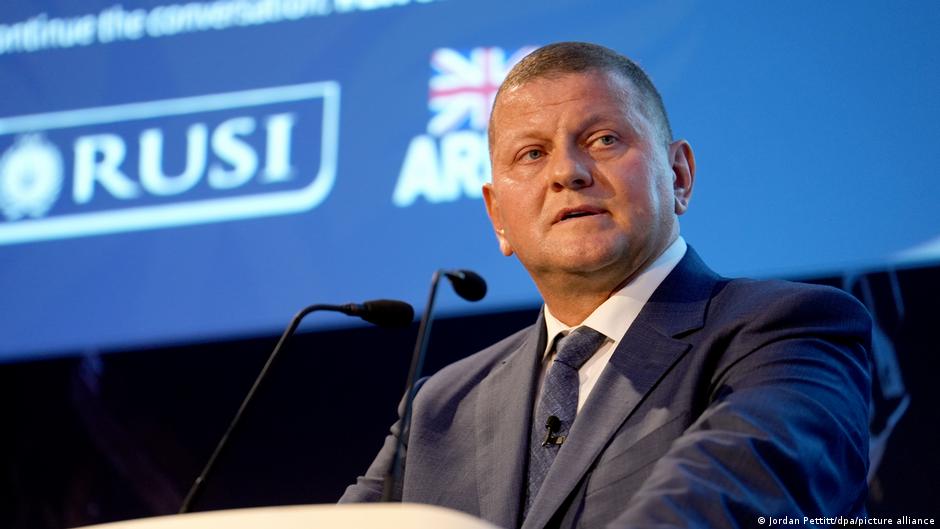
Ukraine’s former military commander and current ambassador to the UK, General Valeriy Zaluzhny, has cast doubt on Ukraine’s prospects for NATO membership, suggesting that the country must seek alternative defense partnerships. This strategic pivot has implications for defense sector equities and market dynamics, especially in sectors linked to military technology and international cooperation.
Impact on Defense Sector Stocks and Market Activity
During a key meeting of Ukrainian ambassadors on August 3, Zaluzhny articulated skepticism regarding Ukraine’s NATO accession, citing fundamental doctrinal mismatches and the current developmental level of the Ukrainian Armed Forces (UAF). He emphasized that the alliance’s frameworks are based on outdated operational doctrines from World War II era, which Ukraine’s forces currently cannot meet. This stance undermines market expectations for increased Western military support tied directly to NATO membership, potentially cooling investor enthusiasm for companies positioned to benefit from NATO direct involvement.
“We will never join NATO with the current level of development of our armed forces,” Zaluzhny stated, highlighting a 12-year transition period needed to approach half the capability level of the Russian Federation’s military.
Despite these constraints, Zaluzhny underscored Ukraine’s ongoing need for NATO-developed technologies, particularly in missile defense systems such as the U.S.-supplied Patriot complexes. This continued demand sustains market interest in defense contractors and technology providers engaged in supplying or developing high-tech military equipment for Ukraine.
Ukraine’s alternative security strategy involves deepening ties with emerging coalitions like the Joint Expeditionary Force (JEF)—a Northern European-led defense bloc comprising ten countries focused on regional security around the Baltic and Arctic. Ukraine’s designation as an enhanced partner in December 2025 reflects a strategic shift away from traditional NATO pathways. However, Zaluzhny critiqued the organizational maturity of JEF, labeling its command structures as underdeveloped and insufficient for Ukraine’s security needs.
For equity markets, these geopolitical developments suggest sector rotation dynamics. Investors may shift focus from broadly NATO-aligned defense contractors toward firms benefiting from these new European coalitions and bilateral security collaborations. Trading volumes in stocks linked to missile defense and advanced military technology could see heightened activity as Ukraine continues to seek state-of-the-art capabilities outside NATO frameworks.
Moreover, analysts anticipate that the fragmentation of security alliances may lead to more nuanced government procurement decisions, impacting the order books of defense manufacturers. Equity research reports have begun to incorporate these geopolitical risk factors, adjusting near-term earnings expectations for firms heavily exposed to Ukrainian defense contracts.
In conclusion, Zaluzhny’s remarks not only recalibrate geopolitical narratives but also influence Wall Street's approach to Ukrainian defense-related stocks. Market participants should monitor developments in European defense coalition structures and technology transfer agreements as indicators for sector performance and trading volume trends.