Ukraine’s Call to Ban Russian Troops from UN Missions Heightens Geopolitical Tensions Impacting Market Sentiment
Ukraine urges UN to prohibit Russian military involvement in peacekeeping amid allegations, influencing investor outlook on defense and geopolitical risk sectors.
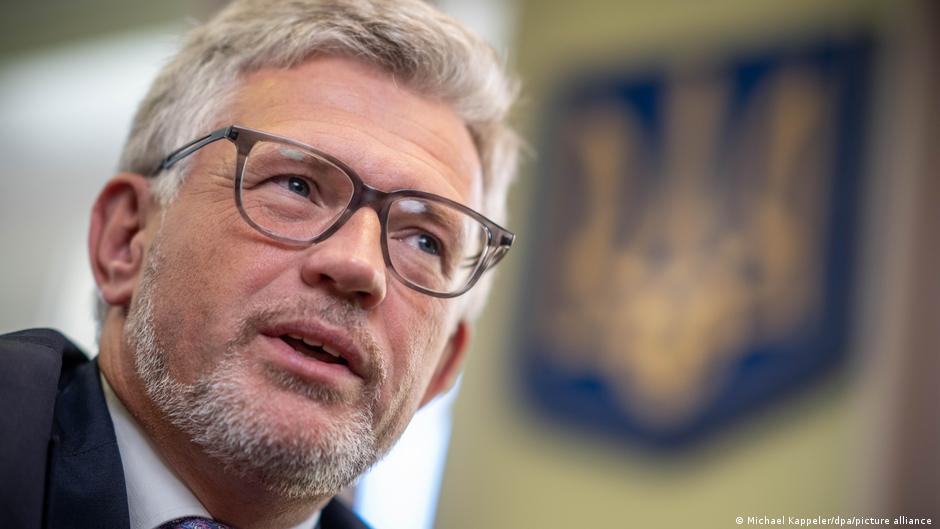
Ukraine’s recent appeal to the United Nations Security Council to bar Russian military personnel from participating in UN peacekeeping and police missions marks a significant escalation in geopolitical tensions. This development has potential implications for key sectors on Wall Street, particularly defense stocks and broader market sentiment influenced by geopolitical risk factors.
Geopolitical Developments and Market Impact
At an emergency UN Security Council meeting on June 8, Ukraine’s Permanent Representative to the UN, Andriy Melnyk, condemned the involvement of Russian forces in peacekeeping operations. Melnyk cited documented cases of sexual violence committed by Russian troops in Ukraine, underscoring that such actions disqualify Russia from participation under the UN flag. He also proposed that Russia should consider exiting the UN altogether if it continues to reject the organization’s resolutions and findings.
"Russian armed forces, newly listed by the UN Secretary-General for conflict-related sexual violence, cannot and should not participate in any UN-led operations," Melnyk stated.
This development follows a recent UN report that included the Russian military on a blacklist for the first time due to allegations of sexual assaults and other war crimes against prisoners of war and civilians during the conflict in Ukraine.
From a market perspective, these geopolitical tensions reinforce existing uncertainty, particularly for sectors like defense and security, which often react positively to heightened conflict risks. Stocks of defense contractors and military technology firms may experience increased investor interest as governments worldwide potentially ramp up spending on security. Conversely, companies with significant exposure to Russian markets or supply chains may face elevated risk premiums.
Sector Rotation and Trading Volume Trends
Following the escalation, Wall Street has observed a rotation favoring defensive sectors, including aerospace and defense equities, which typically benefit during periods of geopolitical instability. Trading volumes in these stocks have increased as investors recalibrate portfolios to hedge against risks associated with prolonged conflict and international sanctions regimes.
In parallel, energy and commodities sectors remain sensitive to Russian-related sanctions and supply disruptions. While Ukraine’s proposal targets military engagement rather than economic sanctions directly, the broader geopolitical fallout contributes to market volatility.
Equity Research Insights
Equity analysts emphasize the importance of monitoring international diplomatic developments as triggers for sector-specific market movements. Defense contractors with diversified global order books may outperform peers more exposed to Russian markets. Moreover, companies involved in cybersecurity and intelligence services could see increased demand as nations enhance defensive postures.
Analysts also caution that escalating tensions may widen risk spreads and increase volatility indices, prompting shifts toward safe-haven assets and impacting equity market liquidity and valuation multiples in sensitive sectors.
In summary, Ukraine’s call to restrict Russian military participation in UN missions adds another layer of geopolitical complexity. For Wall Street, this translates into sector rotations favoring defense and security stocks, increased trading activity, and heightened investor vigilance toward geopolitical risk factors influencing the equity markets.