Ukraine Strikes Put Energy and Auto Supply Chains on Investor Watch
Weekend attacks killed two people, disrupted electricity supplies and halted a German-owned automotive wiring plant in Lutsk.
Russian drone and missile attacks across several Ukrainian regions late Saturday, Oct. 17, and overnight into Sunday killed two people, injured others and damaged critical infrastructure, according to local authorities. For Wall Street investors, the immediate focus is likely to fall on European energy resilience, automotive supply chains and the wider risk premium attached to companies with operations in Ukraine.
The attacks occurred while U.S. equity markets were closed, leaving investors without a direct trading-volume signal from Wall Street. When markets reopen, traders may assess whether the disruption remains localized or points to broader operational risks for utilities, industrial suppliers and European manufacturers. The reports did not identify any U.S.-listed company as directly affected, and local officials provided no financial estimate for the damage.
Automotive supplier halts operations in Lutsk
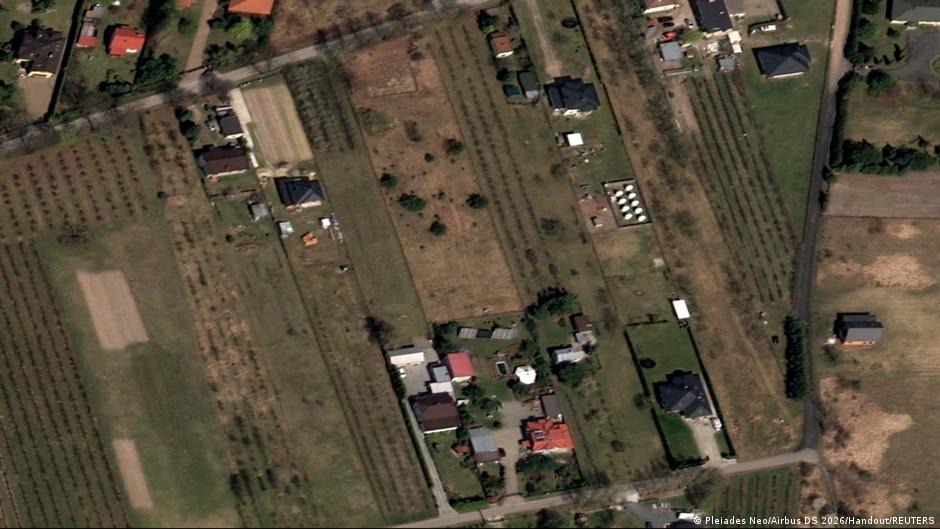
One of the most commercially significant developments was the suspension of work at a factory in Lutsk operated by German company Kromberg & Schubert. The company produces electrical wiring systems used onboard automobiles, placing the facility within a supply chain closely watched by investors in European automakers and parts suppliers.
No figures were provided for the plant’s output, the duration of the shutdown or its share of the company’s production. Without those details, the potential effect on vehicle manufacturing schedules cannot yet be quantified. Equity research desks covering European autos are therefore likely to focus on the length of the interruption, the availability of production at other sites and whether customers hold sufficient inventory.
Russia’s Defense Ministry said the factory was targeted because it was used for the repair of automotive equipment for the Ukrainian armed forces. That claim was presented by the ministry as its explanation for the attack.
Power disruptions raise infrastructure concerns
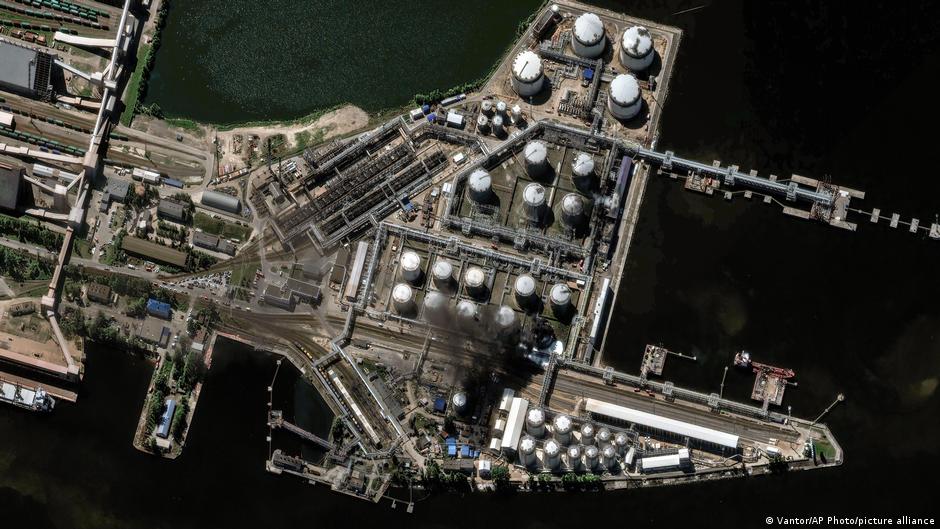
Attacks also damaged energy infrastructure in several regions. In the Vinnytsia region, regional military administration head Natalia Zabolotna reported destruction involving critical infrastructure and emergency electricity outages.
“In the near future, the situation with electricity supply will remain unstable,” Zabolotna said.
In the Chernihiv district of the region of the same name, 19,000 customers were left without electricity following evening strikes, representatives of local power supplier Chernihivoblenergo said. Critical infrastructure in Dnipro was also attacked, according to regional military administration head Oleksandr Ganzha.
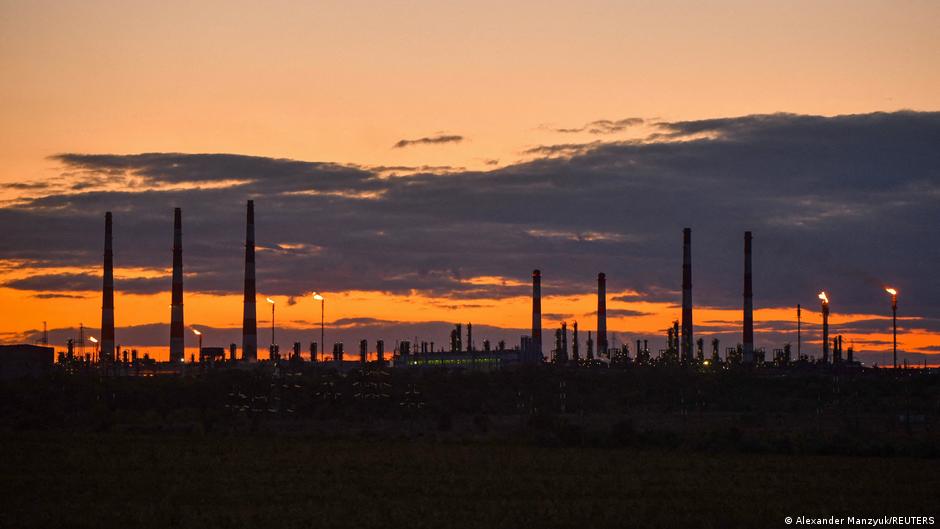
The outages provide another reminder of the operational hazards facing businesses with Ukrainian facilities. For equity investors, the relevant exposure extends beyond power generation and distribution to factories, logistics operators and other businesses dependent on stable electricity supplies. The available reports, however, did not specify how long the outages would last or identify publicly traded companies whose operations were interrupted by the power cuts.
Civilian casualties reported in three cities
In Poltava, one person was killed and four others were wounded during an evening drone attack, regional military administration head Vitalii Diakivnych wrote on Telegram. Four private homes were damaged in the city, while another five were damaged in the Tereshky rural community.
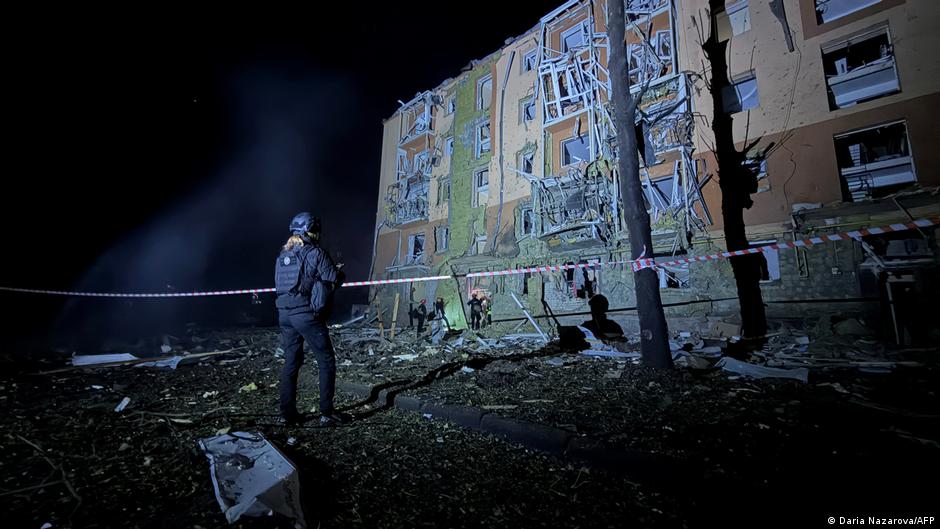
In Zaporizhzhia, a drone struck a multistory residential building overnight, regional military administration head Mykhailo Semykin said. A 27-year-old woman was killed, and another woman was wounded.
Three people were injured when Russian ballistic strikes hit two districts of Kharkiv on Saturday evening, Mayor Ihor Terekhov said. According to the head of the Kharkiv regional military administration, men aged 66 and 42 were wounded in the Slobidskyi district and taken to hospital. A 26-year-old woman was injured in the city’s Osnovianskyi district.
Market implications remain event-driven
The weekend timing means price discovery will initially take place through European and U.S. trading after the attacks rather than through an immediate response. Investors may watch European automakers, component suppliers and energy-sensitive industrial companies for changes in trading volume or analyst commentary. Defense and energy shares could also remain part of the broader geopolitical rotation, although the reported attacks alone do not establish a direct earnings impact for those sectors.
For analysts, the clearest company-specific question is whether the Kromberg & Schubert plant can resume production quickly. The key regional issue is whether emergency power interruptions expand or persist. Any equity research conclusion would require further information about plant utilization, customer exposure, inventory buffers and restoration schedules, none of which was disclosed in the initial reports.
Until such details emerge, the market impact is likely to be assessed primarily as a renewed supply-chain and infrastructure risk rather than a measurable change to listed-company forecasts. The human toll is already clear: local authorities reported two deaths, including the 27-year-old woman in Zaporizhzhia, alongside injuries and damage across multiple Ukrainian regions.