Russian Gas Proposal Puts European Energy Stocks Back in Focus
A reported US peace proposal could reshape European gas flows, challenging LNG suppliers and reviving interest in pipeline-linked equities.
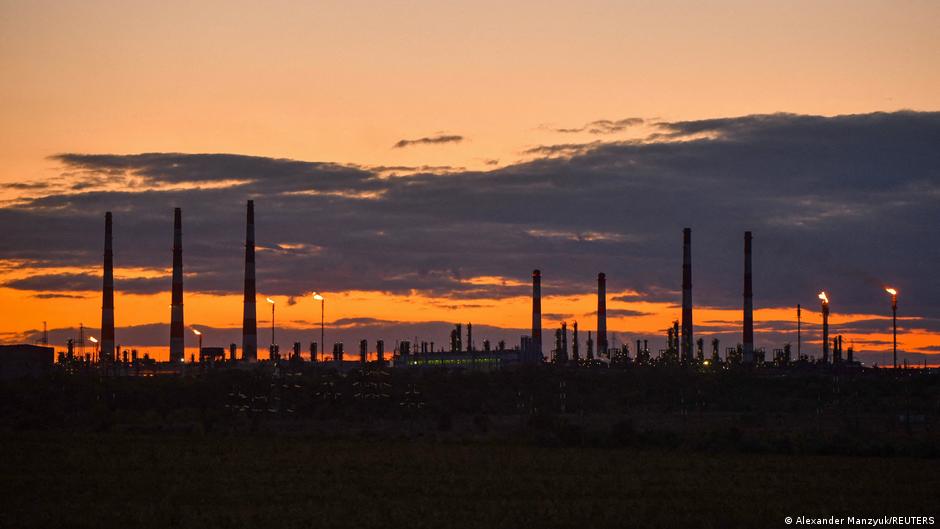
A reported US proposal to restore large-scale Russian pipeline gas purchases by Europe as part of a peace agreement for Ukraine could reopen a major question for energy investors: whether the continent’s post-2022 shift toward liquefied natural gas and alternative pipeline suppliers may eventually reverse.
The New York Times reported on Saturday, October 17, citing unnamed sources, that US presidential envoys Steven Witkoff and Jared Kushner raised the initiative during negotiations with Ukrainian and European Union representatives. The proposal was also discussed with Ukrainian President Volodymyr Zelensky during a September meeting in Kyiv, according to the report.
Washington’s reported rationale is that renewed access to the European gas market would provide Russia with an economic incentive to end the war. For equity markets, such an outcome would have potentially divergent effects across European utilities, pipeline operators, LNG exporters and upstream gas producers.
Potential rotation across gas-exposed equities
A return of substantial Russian pipeline volumes could put downward pressure on European gas prices, depending on the scale, timing and infrastructure available. Lower wholesale prices would generally benefit energy-intensive manufacturers and utilities that must purchase gas, while potentially compressing margins for producers and traders that prospered from Europe’s reliance on scarcer and more expensive supplies.
Investors would likely scrutinize European utilities including Germany’s Uniper, as well as major energy groups such as Shell, TotalEnergies and Equinor, for changes in procurement costs, trading income and portfolio exposure. US LNG exporters such as Cheniere Energy could also face questions about the durability of European demand if Russian pipeline gas regained meaningful market share.
Gazprom would be the most direct corporate beneficiary of renewed Russian exports, although sanctions, market access and political constraints would remain central to any investment assessment. The source report supplied no stock-price changes, trading-volume figures or revised analyst ratings, so there is no basis for attributing a specific market move to the proposal. Until negotiators provide formal terms, the issue remains a scenario for equity research rather than an executable sector call.
The EU delegation reportedly reacted skeptically. Günter Sautter, German Chancellor Friedrich Merz’s closest security adviser, was identified as a particularly sharp critic. Some European and Ukrainian officials also expect the United States to seek a share of revenue or participation connected with Russian gas exports, according to the newspaper’s sources.
“Any agreement concerning this issue would require close coordination with our European partners as part of a comprehensive peace agreement,” the White House said.
Nord Stream remains a high-risk variable
US officials reportedly discussed restarting Nord Stream with Russian representatives. The subsea pipeline between Russia and Germany has not operated since August 2022 following an explosion. Reuters had reported similar discussions in early October, citing five sources.
One New York Times source said the Trump administration viewed restarting Nord Stream as an “easy task” if a peace agreement were reached. White House representatives, however, denied that Nord Stream discussions had taken place and emphasized the need for coordination with Europe.
For markets, a restart would involve more than technical readiness. Analysts would need to assess sanctions, ownership, insurance, certification, contract structures and European political approval. These uncertainties could keep valuation effects heavily discounted even if diplomatic negotiations advance.
The proposal also conflicts with the EU’s existing policy trajectory. In January 2026, the bloc agreed to phase out both Russian pipeline gas and Russian LNG completely by November 1, 2027. The legislation also prohibits new gas contracts with Russia. Reversing or modifying that framework would require a significant political shift and could create regulatory uncertainty for companies that invested around the phaseout.
Europe’s supply mix has already changed
Russian gas accounted for 45% of EU gas imports in 2021. That share fell to about 19% in 2024 and 13% in 2025 after Russia’s full-scale invasion of Ukraine began in February 2022. The decline encouraged greater LNG imports and increased the strategic importance of non-Russian producers and infrastructure.
Ukraine stopped the transit of Russian pipeline gas to Europe on January 1, 2025, after declining to renew its expired contract with Gazprom. Kyiv consequently loses approximately €900 million a year in transit fees, according to the newspaper.
Equity researchers will therefore be watching whether a peace framework includes restored Ukrainian transit, Nord Stream, another route or a combination of channels. Each option would distribute revenue and political risk differently. The most immediate market signal would be unusual trading volume or sustained price moves among LNG exporters, European utilities and gas producers after confirmation from governments. Without that confirmation, investors face a politically sensitive proposal whose sector implications are substantial but whose probability remains difficult to quantify.