St Petersburg Drone Attack Puts Energy and Tech Infrastructure in Focus
Damage to an oil terminal and a VK data center highlights operational risks for energy, technology and transport assets.
A large-scale overnight drone attack on St Petersburg and the surrounding Leningrad region has put critical Russian energy, technology and transport infrastructure under scrutiny, creating a fresh geopolitical risk marker for global equity investors.
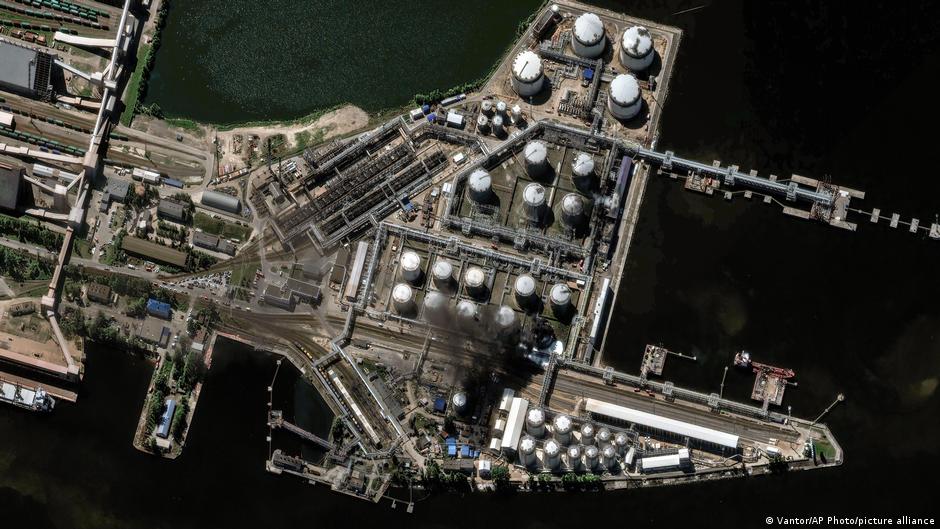
The incident, which occurred overnight into Sunday, October 18, caused a fire at the St Petersburg Oil Terminal and struck a data center operated by Russian technology company VK. Local residents also reported partial power outages. For Wall Street, the immediate significance lies less in direct exposure to VK than in the broader implications for energy flows, digital infrastructure resilience, insurers and companies with remaining operational links to Russia.
St Petersburg Governor Alexander Beglov said emergency crews were extinguishing fires at civilian infrastructure sites in the city’s Nevsky, Krasnoselsky, Krasnogvardeysky and Moskovsky districts, as well as at the oil terminal. He said Pulkovo Airport was operating under restrictions for safety reasons, no casualties had been reported and mobile internet disruptions were possible.
“There are no casualties. Mobile internet disruptions are possible,” Beglov wrote on Telegram.
Energy and technology assets draw investor attention
The fire at the oil terminal is the clearest potential market transmission point. The source did not provide information on the extent of the damage, terminal capacity, shipment interruptions or any change in oil-product volumes. Without those details, it is too early to quantify an effect on crude or refined-product markets, or on publicly traded energy companies.
Even so, attacks on oil-related infrastructure can increase the risk premium attached to energy logistics. Equity desks are likely to watch global oil producers, refiners, tanker operators and European energy-sensitive industries for any rotation triggered by changes in crude and fuel prices. A sustained supply concern would generally favor energy shares while weighing on transport and other fuel-intensive sectors, but the reported incident alone does not establish that such a move will occur.
VK confirmed that its data center in the Leningrad region had been attacked. The company, whose assets include the VKontakte social network and the Max messenger, said its services remained available to users under normal operating conditions. However, the monitoring websites Sboy.rf and Detector404.ru recorded a surge in complaints about VKontakte’s performance.
VK is primarily relevant to Russian rather than U.S. equity trading, limiting the scope for a direct Wall Street stock reaction. The event nevertheless reinforces an investment theme extending across global technology shares: physical security, backup power and geographic redundancy have become increasingly important for data-center operators and cloud infrastructure providers. Investors may examine whether the incident changes perceived risk for companies supplying power systems, network equipment and cyber and physical security services, though no specific commercial impact on those businesses was reported.
Power, transport and airport disruptions broaden the risk
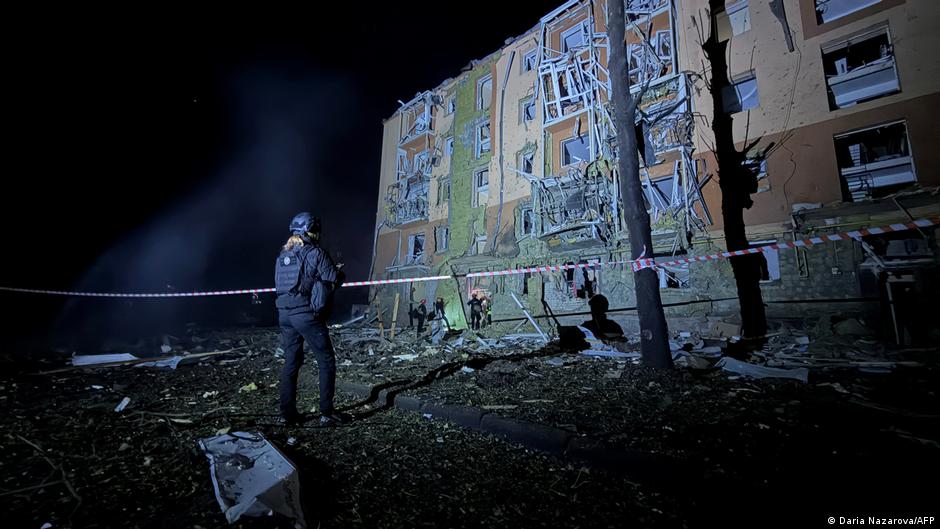
Leningrad region Governor Alexander Drozdenko said 126 drones had been shot down over the region. According to his account, debris fell on an apartment building in Vsevolozhsk, a private home near Kirovsk and four vehicles in the village of Nizino.
Drozdenko also reported brief electricity interruptions linked to debris falling on power lines. Readers of the St Petersburg online publication Fontanka separately described electricity problems in several parts of the city, including the Kalininsky and Krasnogvardeysky districts and the Ruchyi area.
Those reports add utilities and infrastructure operators to the market watchlist, although the source identified no listed company suffering a material financial loss. The duration of the outages, the number of customers affected and the cost of repairs were not specified. Trading volumes and sector performance will therefore provide a more reliable indication of investor concern once markets respond to verified operational updates.
Telegram channels Dnipro Osint, Astra and Varlamov News reported that one drone strike hit the cable-stayed bridge across the Korabelny Fairway. The bridge forms part of the Western High-Speed Diameter, a toll motorway in St Petersburg.
Authorities had not confirmed a strike on the bridge. Fontanka reported, however, that the motorway was closed between the Ekateringofka River and the Shkipersky channel, a section that includes the Korabelny Fairway bridge. No estimate was given for how long the closure might last or whether the structure had sustained damage.
What equity investors will monitor
The next market-sensitive details will be whether the oil terminal continues normal operations, whether VK reports lasting equipment damage, how quickly power service is restored and whether airport or motorway restrictions remain in place. Any verified disruption to energy shipments would carry greater relevance for oil prices and international energy stocks than the initial fire report by itself.
Equity research teams are also likely to distinguish between temporary operational disruption and a broader escalation in attacks on critical infrastructure. A short-lived incident with no casualties and limited service interruption may produce little sustained rotation. Repeated attacks affecting export logistics, data-center availability or major transport routes could instead support defensive positioning, higher energy exposure and closer scrutiny of infrastructure-related capital spending.
For now, the available information supports a risk-monitoring stance rather than a firm earnings revision. There were no reported figures for financial losses, shipment reductions, repair costs or changes in corporate guidance. Those omissions limit the basis for stock-specific valuation changes, even as the scale of the reported drone interception and the range of affected sites keep geopolitical risk firmly on investors’ screens.