Ukraine Denies Trump Urged Zelensky to Meet Putin in Moscow
Kyiv rejected a Bloomberg report as investors watched diplomacy around energy infrastructure attacks and diesel market pressure.
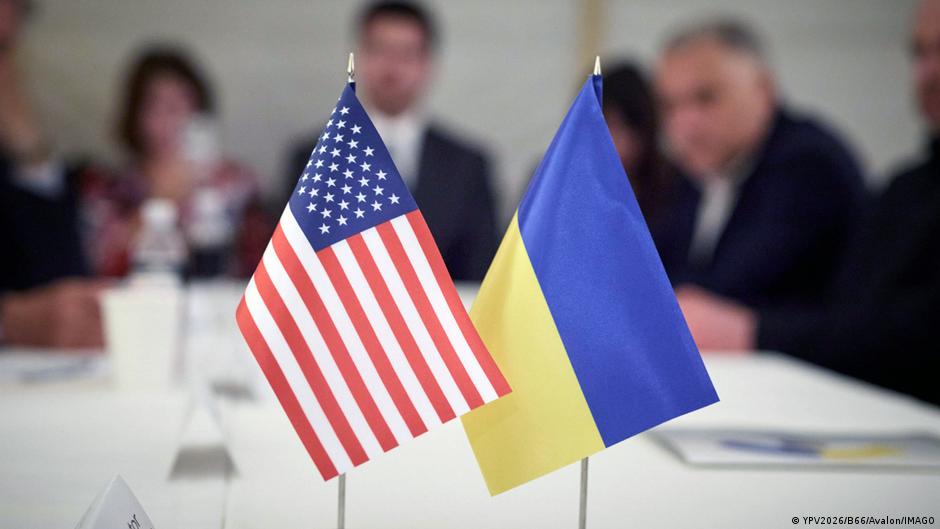
Ukraine’s presidential office denied a report that U.S. President Donald Trump had suggested President Volodymyr Zelensky travel to Moscow for talks with Russian President Vladimir Putin, a claim earlier reported by Bloomberg and later rejected by Kyiv.
The denial came as Wall Street investors continued to track Russia-Ukraine diplomacy through the lens of energy risk, diesel prices and sector exposure across defense, oil refining, shipping and infrastructure-linked equities. For traders, even disputed accounts of possible talks matter because they can influence expectations for energy supply security, war-risk premiums and the outlook for companies tied to military spending or fuel markets.
According to Ukrainian outlet Ukrainska Pravda, Dmitry Lytvyn, an adviser to Zelensky on communications, dismissed Bloomberg’s account on Friday, September 25. Lytvyn said the report was inaccurate after Bloomberg reported, citing sources, that Trump had made the suggestion during a meeting with Zelensky on the sidelines of the United Nations General Assembly in New York.
“This is false information,” Dmitry Lytvyn told the Ukrainian publication, according to the report.
Bloomberg had reported that Trump proposed Zelensky go to Moscow to meet Putin and that the Ukrainian president refused. Sources close to Zelensky also told Bloomberg that the suggestion upset the Ukrainian leader.
Energy Risk Keeps Market Attention on Diplomacy
The market significance of the dispute lies less in the disputed travel proposal itself than in what it signals about the pace and format of any negotiations. Bloomberg reported that Washington had been pressing Moscow and Kyiv to agree to halt attacks on energy facilities amid rising global diesel fuel prices. That focus places energy equities and refined-products markets at the center of investor attention.
U.S.-listed integrated oil majors such as Exxon Mobil and Chevron, refiners including Valero Energy, Marathon Petroleum and Phillips 66, and fuel distributors remain among the stocks investors tend to monitor when conflict-related disruptions affect diesel markets. Shipping and logistics names can also be sensitive to changes in fuel costs, while airline, trucking and industrial shares are exposed to refined-product price pressure through operating expenses.
At the same time, defense contractors including Lockheed Martin, RTX, Northrop Grumman and General Dynamics remain part of the broader equity-market conversation around Ukraine, as investors assess the duration of the war, Western military support and future procurement demand. A credible pathway toward negotiations could shift sentiment across defense, energy and reconstruction-linked sectors, while a breakdown in talks or continued attacks on energy assets could sustain the existing risk premium.
The report also arrived during a week of separate New York meetings involving Zelensky and Russian Foreign Minister Sergei Lavrov with representatives of the Trump administration. Those contacts were held around the United Nations gathering, where the war in Ukraine and possible diplomatic channels remained in focus.
For equity research desks, the immediate issue is whether diplomatic movement points toward reduced energy infrastructure risk or merely adds another round of headline volatility. No agreement to halt attacks on energy facilities was reported in the source account, and Kyiv’s denial underscores the uncertainty surrounding the substance of any U.S.-brokered process.
Talks Venue Remains Unresolved
Zelensky said on September 25 that trilateral technical-format talks among the United States, Ukraine and Russia could take place in the United Arab Emirates. That statement offered a possible venue for discussions, though not a confirmed breakthrough.
The Kremlin, meanwhile, rejected Kyiv’s recent proposal to hold talks on ending the war during the G20 summit in Miami, where Washington had invited Putin. The Russian side has repeatedly stressed that a meeting between Putin and Zelensky would be possible only in Moscow.
On September 23, Kremlin spokesman Dmitry Peskov said the Ukrainian president, “if he wants,” could come to Moscow, where he would be provided with the necessary security guarantees. That position remains a core obstacle for any high-level meeting, given Kyiv’s rejection of the reported idea and the political sensitivity of any visit to the Russian capital during the war.
The source account also noted earlier statements around direct contact between the leaders. In June, Putin said Zelensky had requested a personal meeting through a Russian businessman. Zelensky later said he had passed a message to the Kremlin leader through Roman Abramovich.
For markets, the practical read-through is that diplomacy remains active but fragmented. Investors have few firm details to price: Kyiv denies the Moscow-travel claim, Washington is described as pushing for limits on energy-facility attacks, Zelensky has floated the UAE as a technical-talks venue, and Moscow continues to insist that any Putin-Zelensky meeting occur in Russia.
That combination is unlikely to remove volatility from oil, diesel and defense-linked trades. Instead, it keeps attention on headlines that could alter expectations for fuel supply risk, military spending trajectories and sector rotation between energy producers, refiners, industrials, transport companies and defense shares.