Trump's Postponed Iran Strike Shakes Energy Stocks and Middle East Market Sentiment
Trump’s announcement of a delayed Iran attack triggers sector rotation and increased trading volumes in energy and defense stocks on Wall Street.
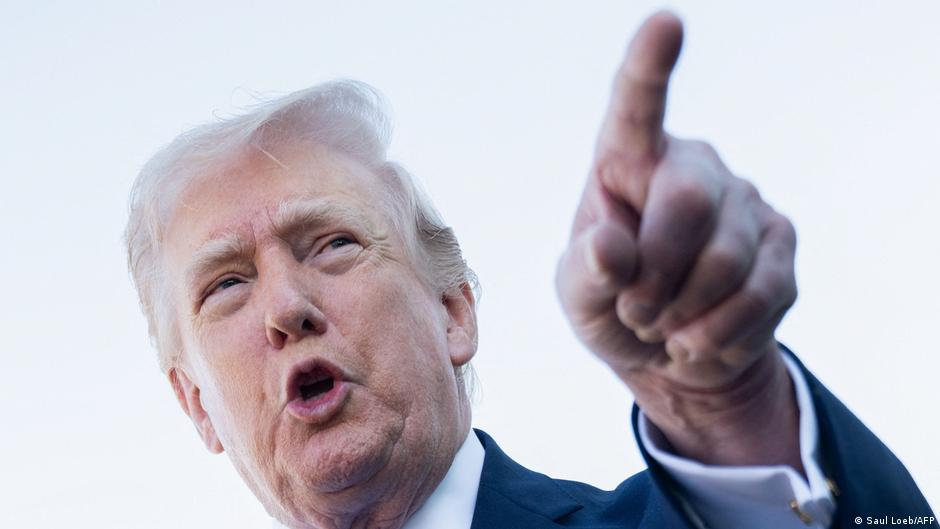
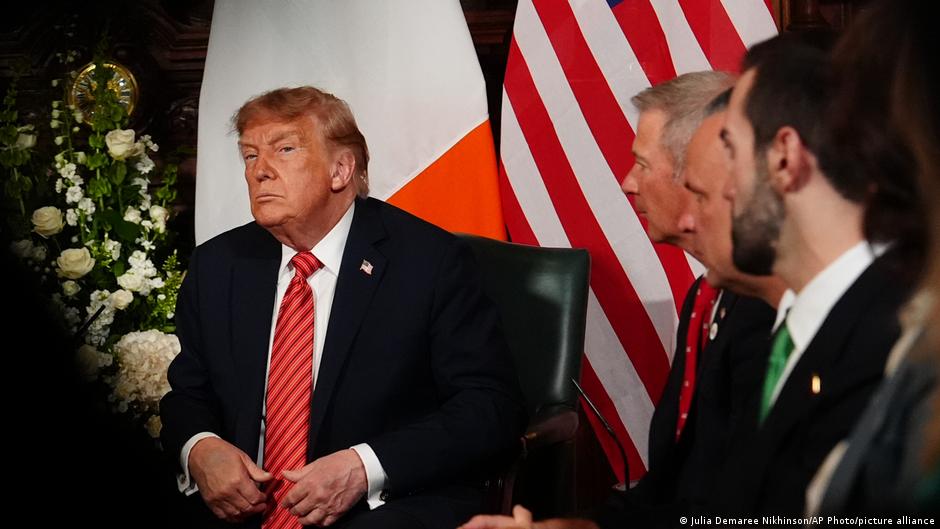
President Donald Trump announced the postponement of a "planned military strike" on Iran, originally scheduled for May 19. This unexpected development has influenced Wall Street markets, particularly in the energy and defense sectors, amid ongoing geopolitical tensions in the Middle East.
Market Reaction and Sector Rotation
The announcement immediately affected stock trading volumes and sector performance as investors recalibrated risk exposure related to Middle East conflicts. Energy stocks, which often rally amid supply concerns in the Persian Gulf, saw heightened volatility. Major oil companies experienced a mixed session, with some profit-taking offsetting earlier gains.
"Investors reacted swiftly to Trump's announcement, signaling cautious optimism about reduced immediate conflict risk yet maintaining vigilance over future developments," said a market analyst.
Defense contractors also witnessed elevated trading volumes as the prospect of military action was deferred but not eliminated. Shares of companies specializing in aerospace and defense technology fluctuated, reflecting market uncertainty about future U.S. military engagement in the region.
Geopolitical Context and Equity Research Outlook
Trump indicated that the decision to postpone the strike was influenced by high-level diplomatic appeals from leaders of Qatar, Saudi Arabia, and the United Arab Emirates, highlighting ongoing serious negotiations aimed at a comprehensive agreement. The proposed deal reportedly includes a nuclear weapons ban for Iran, signaling a potential de-escalation of direct confrontation.
However, the President emphasized that the U.S. military remains on high alert, with orders for readiness to conduct a full-scale operation if a satisfactory agreement is not reached. This dual strategy of diplomacy backed by military readiness injects volatility into markets sensitive to geopolitical risk.
Equity research teams have noted that the energy sector could see short-term pressure if diplomatic negotiations reduce the perceived risk of supply disruptions in the Persian Gulf. Conversely, any breakdown in talks or renewed hostilities would likely trigger a flight to safety, benefiting defense and energy stocks.
Sector rotation has been observed as investors move funds out of traditional safe havens into more cyclical industries, anticipating that a peaceful resolution could stabilize oil prices and reduce risk premiums.
Trading Volumes and Investor Sentiment
Trading volumes surged in stocks linked to Middle East geopolitical exposure. Oil futures and ETFs tracking energy indices registered increased activity, underscoring the sensitivity of the sector to developments in Iran and U.S. policy.
Market participants remain cautious, watching for any signals that negotiations may falter, which would prompt a rapid reassessment of risk and portfolio positioning. The complex interplay of diplomacy and military readiness continues to influence equity valuations and investor confidence.
In summary, Trump's decision to delay military action against Iran has triggered immediate market responses, primarily reflected in sector rotation and heightened trading volumes in energy and defense stocks. Investors are closely monitoring negotiation progress, aware that future shifts could significantly impact stock prices and market stability.