Trump’s Iran Red Lines Influence Market Sentiment Amid Geopolitical Uncertainty
US President Trump insists Iran must never obtain nuclear weapons, shaping investor outlook on related sectors and market volatility.
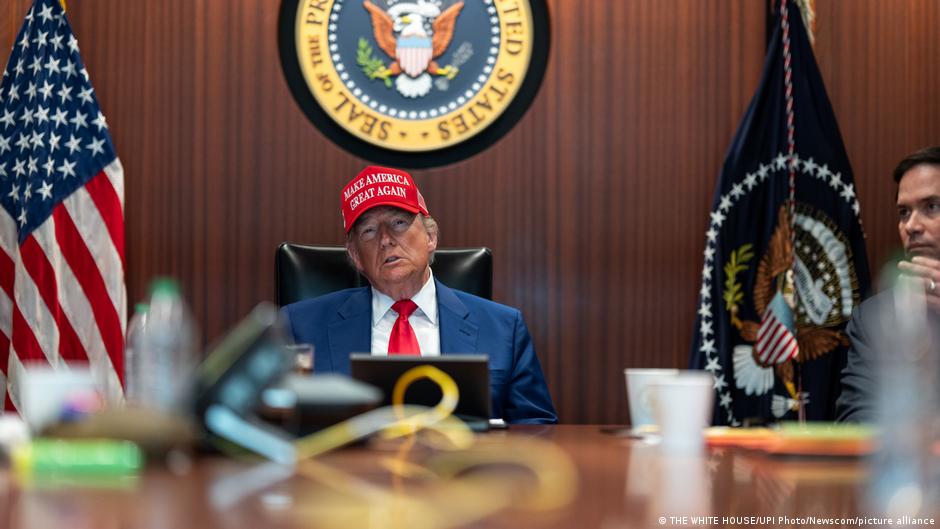
US President Donald Trump has made it clear that any agreement with Iran will be contingent on Tehran adhering strictly to Washington’s "red lines," with a key demand being that Iran must never acquire nuclear weapons. This firm stance has significant implications for market sectors tied to defense, energy, and geopolitical risk, influencing trading volumes and sector rotations on Wall Street.
Geopolitical Tensions and Market Impact
Following a two-hour meeting in the White House Situation Room, President Trump emphasized that the United States will only accept a deal beneficial to American interests and consistent with its non-negotiable terms. This declaration has triggered increased market sensitivity in sectors exposed to Middle Eastern geopolitical risks, notably defense contractors, energy producers, and commodities linked to oil supply disruptions.
"President Trump will sign only an agreement that honors America's red lines and strengthens national security," a White House representative confirmed after the consultations.
In the days leading up to the announcement, US and Iranian negotiators reportedly reached a preliminary framework agreement to de-escalate tensions, but final approval from President Trump remains pending. This uncertainty has contributed to elevated volatility in equity markets, with investors rotating between safe-haven assets and equities in sectors potentially affected by the outcome.
Sector Rotation and Trading Volumes
Investors are closely monitoring stocks within the defense sector, including major contractors that stand to benefit from increased government spending should tensions escalate. Similarly, the energy sector is experiencing fluctuations as potential disruptions in Iranian oil exports could influence crude prices and refinery margins.
Trading volumes have surged in equities sensitive to Middle Eastern geopolitics, reflecting increased hedging activity and speculative positioning. Equity research reports highlight that while a peaceful resolution could dampen defense spending and stabilize energy prices, any breakdown in talks may lead to rapid repricing and increased demand for commodities and defense-related stocks.
Market analysts advise caution amid the evolving situation, recommending diversified exposure and close monitoring of developments that could prompt swift sector reallocations.
Investor Outlook Amid Diplomatic Developments
While the Iranian Foreign Ministry maintains that no final agreement has been reached and that communications continue, the market’s cautious tone underscores the impact of geopolitical risk on asset allocation. The evolving diplomatic narrative remains a key driver for Wall Street trading strategies in sectors linked to national security and energy supply chains.
As negotiations progress, traders and portfolio managers are assessing the likelihood of various scenarios and adjusting positions accordingly. The interplay between policy decisions and market reactions illustrates the intricate relationship between geopolitical events and financial markets.