Trump Halts Strikes on Iran Amid Progress in Peace Talks, Impacting Oil and Defense Stocks
US President Trump cancels planned Iran strikes after high-level talks, signaling potential de-escalation with broad regional agreement.
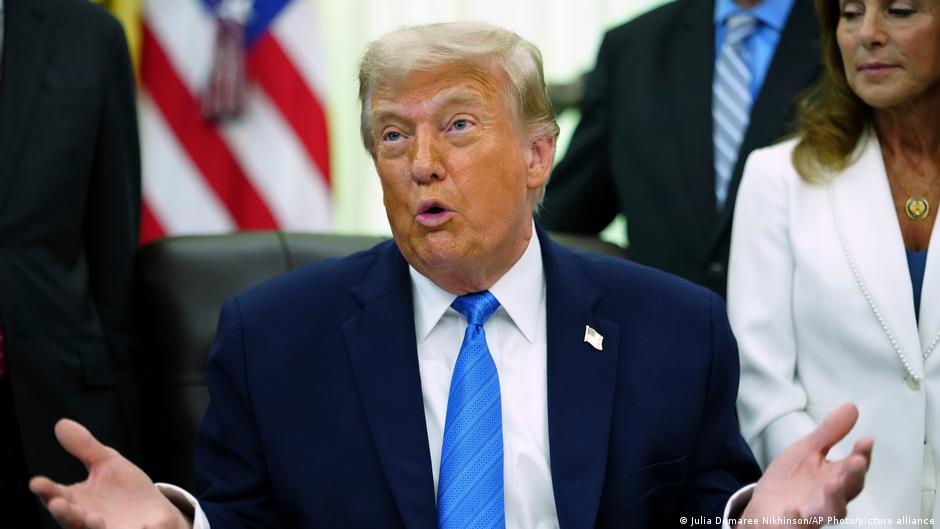
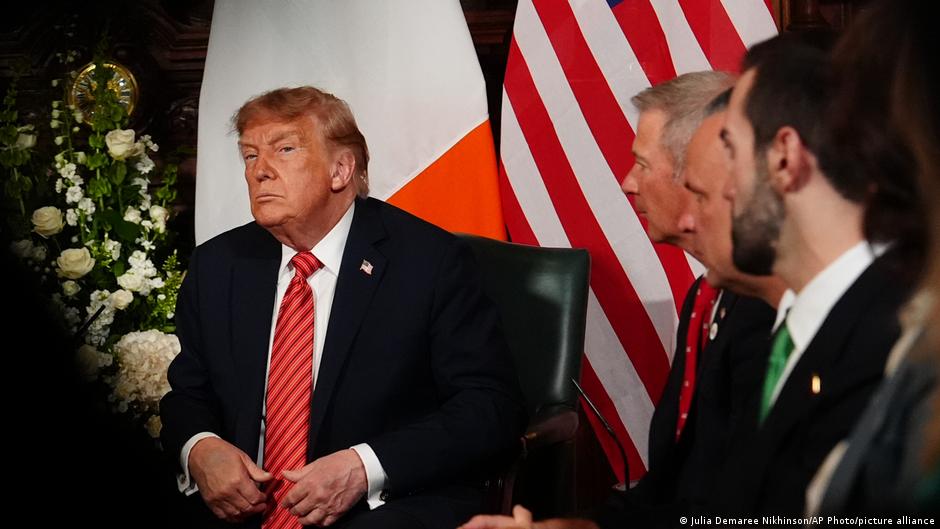
US President Donald Trump announced the cancellation of planned military strikes against Iran, citing progress in negotiations with Iran's top leadership that could lead to a peaceful resolution of ongoing tensions. This unexpected development on June 11 has sparked immediate reactions across Wall Street, particularly within energy and defense sectors.
Market Reaction and Sector Implications
Trump's statement, posted on his social network Truth Social, confirmed that the strikes scheduled for the evening of June 11 were called off after discussions reached Iran's highest authorities and received approval. The White House also indicated that final agreement points had been coordinated with major regional players including Israel, Saudi Arabia, the UAE, Qatar, Turkey, Pakistan, Bahrain, Kuwait, Jordan, and Egypt.
"The maritime blockade remains fully in place until the deal is finalized — the timing and venue for signing will be announced shortly," Trump said, emphasizing a cautious transition.
The prospect of a "magnificent agreement" potentially being signed in Europe over the coming weekend has influenced market sentiment, as investors weigh the implications for global oil supply and regional stability. Trump's assertion that Iran will never obtain nuclear weapons and that the Strait of Hormuz will be reopened signals a possible easing of one of the key geopolitical risk factors for energy markets.
Energy stocks, particularly those in the oil sector, showed immediate volatility as traders anticipated how the deal could affect crude supply and prices. Shares of major oil producers and refiners experienced mixed trading, reflecting uncertainty about the duration and enforceability of any agreement. Conversely, defense contractors initially saw dips amid hopes for reduced military conflict risk, although caution remains given the complex and evolving situation.
Geopolitical Context and Investor Caution
Earlier on June 11, Trump had indicated intentions to capture Iran’s key oil hub, Khark Island, and announced plans for “new strikes, bigger, more powerful, stronger,” although he expressed reluctance to target infrastructure such as bridges and power plants. This shift from aggressive military posturing to diplomatic negotiation caught many traders off guard.
Iranian officials have yet to make a final decision on the proposed agreement, with Foreign Ministry spokesperson Esmail Baghaei stating no conclusive determination has been reached. Meanwhile, Iranian parliamentary speaker Mohammad Bagher Ghalibaf warned the US against impulsive decisions, signaling possible continued volatility.
The US military resumed strikes on Iranian targets on June 10 in response to what CENTCOM described as "unjustified and ongoing Iranian aggression." Iran responded with missile attacks on US bases in the Persian Gulf and Jordan, with regional defense systems activated in Kuwait and Bahrain. Tehran also reiterated a full closure of the Strait of Hormuz, threatening to attack any passing vessels.
These developments have sustained elevated trading volumes in equities sensitive to Middle East stability, as investors navigate the risk of renewed conflict versus diplomatic resolution. Equity research analysts advise close monitoring of political developments and their impact on commodity prices and defense contracts.
Overall, the cancellation of immediate military strikes marks a significant pivot in US-Iran relations, with potential for reduced volatility in the energy markets but ongoing uncertainty that keeps sectors like defense and commodities under investor scrutiny.