Strike on Russian Naval Vessels at Novorossiysk Raises Market Concerns on Defense and Energy Stocks
Ukrainian forces reportedly damaged four Russian warships in Novorossiysk, impacting key military and energy infrastructure amid heightened regional tensions.
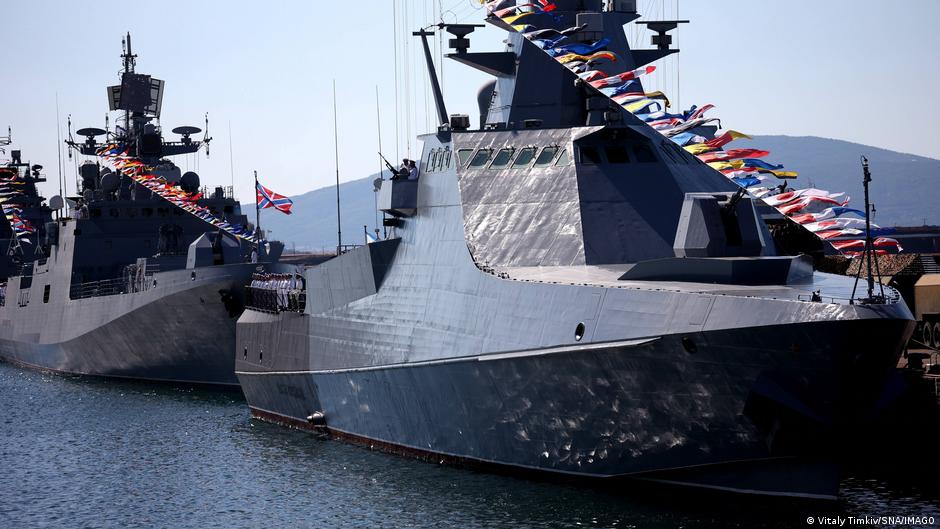
On August 12, Ukrainian military and security services announced a significant strike against Russian naval assets in the strategic Black Sea port city of Novorossiysk. According to Ukraine's General Staff and Security Service, four Russian Navy ships sustained various degrees of damage during the attack, including two frigates equipped with "Kalibr" cruise missiles: the Admiral Essen and Admiral Makarov.
The affected vessels also include the small missile ship Buyan-M and the patrol ship Vasily Bykov. These developments mark a notable escalation in military engagements near Russian territorial waters, with direct implications for Defense sector equities and regional geopolitical stability.
Sectoral Impact: Defense and Energy Infrastructure
The Ukrainian Security Service further reported that the assault targeted other critical installations in Novorossiysk, including a radar station integral to the S-300 surface-to-air missile system, the Grushevaya oil depot, a mobile fire group, and infrastructure supporting three port berths. These sites play a crucial role in Russia's energy export capabilities and regional military operations.
"Ukrainian drones, including Palyanitsa reactive drones and Neptune missiles launched from maritime platforms, effectively struck the designated targets," the Security Service stated.
Independent sources such as Reuters and Russian business media confirmed the attack resulted in the suspension of operations at the Novorossiysk grain terminal and the Novorossiysk Bread Products Plant (NKHP), suggesting broader disruptions to logistical and commodity sectors. The grain terminal, a vital export hub, reportedly sustained damage, potentially influencing global grain supply chains and commodity prices.
From a humanitarian perspective, regional authorities reported three fatalities and 24 injuries due to the nighttime assault. Additionally, extensive property damage was reported across residential areas in Novorossiysk and surrounding cities like Gelendzhik, Anapa, and Temryuk, with "hundreds" of drones reportedly used in the operation.
Energy market participants are closely monitoring the status of the Grushevaya oil depot, a critical endpoint for Transneft’s pipeline system in the Krasnodar region, which links to the Sheskharis marine terminal for crude oil loading onto tankers. Past incidents, including a fire at the depot on June 8, have already raised concerns about the resilience of Russian oil export infrastructure amid ongoing conflict.
Market Outlook and Trading Volumes
The attack’s immediate aftermath is likely to trigger volatility in stocks related to Russian defense contractors, energy companies, and exporters reliant on Black Sea maritime routes. Sector rotation toward safer assets and increased trading volumes in oil and grain derivative markets can be anticipated as investors reassess geopolitical risk premiums.
Equity analysts emphasize the need for ongoing monitoring of supply chain disruptions and military escalations, which could influence global commodity prices and regional security dynamics. The precision of Ukrainian drone and missile systems showcased in this strike may also prompt strategic reevaluations among defense sector stakeholders.
In conclusion, the Novorossiysk incident underscores an intensifying conflict front with direct repercussions for specific stocks, sectors, and trading behaviors. Market participants should remain vigilant to further developments impacting energy export infrastructure and military asset valuations in the region.