Finland Pushes EU Russian Tourist Visa Ban as Travel Stocks Face Fresh Policy Risk
Foreign Minister Elina Valtonen urged an EU-wide halt to Russian tourist visas, adding another policy variable for travel and transport investors.
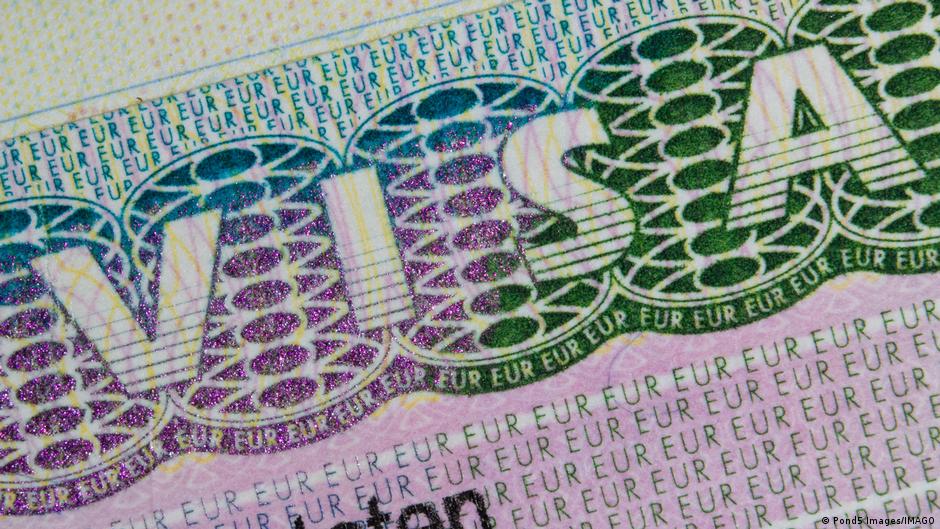
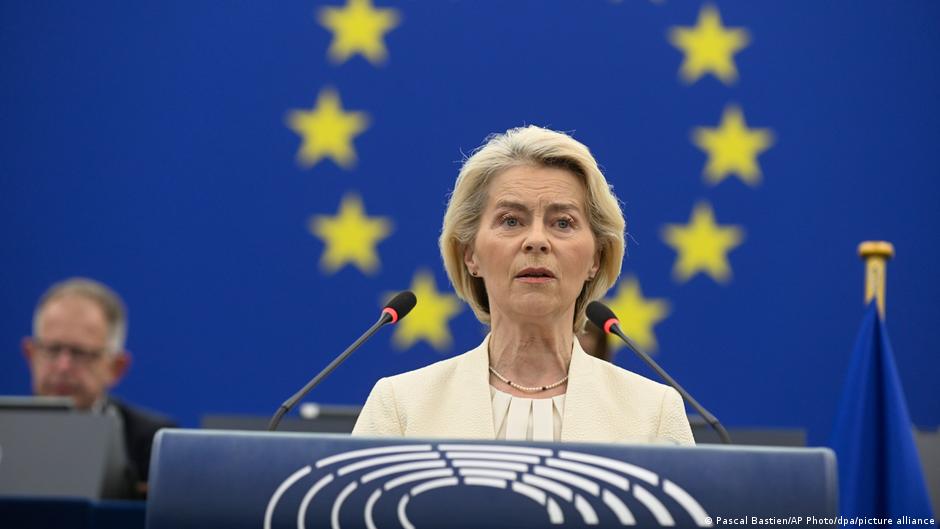
Finland’s foreign minister, Elina Valtonen, is pressing European Union countries to stop issuing tourist visas to Russian citizens while Moscow continues its war against Ukraine, a proposal that adds a fresh geopolitical policy risk for Europe’s travel, aviation and consumer-facing equities.
Valtonen said on X on Monday, October 12, that she had invited other EU member states to join her appeal to the European Commission on the issue. Her argument was framed in moral and political terms, but for markets the proposal is also relevant because visa policy affects cross-border passenger flows, airport retail, hotels and carriers with exposure to leisure travel into the Schengen area.
“It is wrong that Russians can travel to Europe to enjoy the lifestyle and freedoms here while their country bombs Ukrainians’ homes,” Valtonen said.
Finland has already taken national action. Valtonen said Helsinki banned the issuing of visas to Russians for non-essential travel in 2022 and argued that the same approach should now be adopted at EU level. An EU-wide measure would shift the issue from a patchwork of national restrictions to a broader Schengen policy stance, potentially affecting travel patterns across the 29-country Schengen zone.
For listed travel companies, the direct earnings impact would depend on individual exposure to Russian-origin tourism, which has already been constrained since Russia’s full-scale invasion of Ukraine and the related sanctions environment. The larger market signal is that European policymakers remain willing to tighten mobility and access rules in response to the war, keeping geopolitical risk embedded in the sector’s valuation framework.
Travel and Consumer Names Stay Exposed to Policy Headlines
The clearest equity read-through is for airlines, airport operators, hotel groups, travel retailers and payment-linked consumer platforms that benefit from international visitor flows. A tighter EU visa regime would not necessarily change consensus forecasts materially unless companies have meaningful Russian tourist exposure, but it could reinforce investor preference for businesses with more domestic, intra-EU or diversified demand bases.
Airport operators and travel retailers are particularly sensitive to passenger mix, not only passenger numbers. Russian tourists have historically been associated with cross-border leisure spending in parts of Europe, though the current article does not provide company-level revenue exposure or spending estimates. In that absence, equity research teams are likely to treat the development as a qualitative risk factor rather than a basis for immediate estimate revisions.
Airlines may see limited incremental effect if Russian tourism has already been reduced by earlier restrictions, airspace disruptions and sanction-related constraints. Even so, the proposed EU-level ban would add to a broader theme that has shaped trading in European transport stocks: policy decisions can rapidly alter routes, demand pools and investor assumptions about normalization.
Hotel and luxury-adjacent consumer names could also remain in focus, particularly those with properties or sales exposure in destinations where Russian travelers previously represented a visible share of high-end demand. The source article does not identify affected companies or provide trading volumes, so any single-stock impact would require separate exposure analysis. For now, the policy debate is more likely to influence sector rotation at the margin than trigger a broad travel selloff by itself.
EU Momentum Builds Around Visa Restrictions
Valtonen also called for a ban on issuing Schengen visas to people in the close circle of Russian President Vladimir Putin. She urged restrictions on visas for Russian athletes and the effective enforcement of bans on visas for Russian participants in the war against Ukraine. Her message was that EU countries should act together.
The Finnish initiative follows earlier signals from Brussels and regional governments. In September, EU foreign policy chief Kaja Kallas said that, in response to Moscow’s “hybrid attacks,” the EU needed to tighten restrictive measures against the Kremlin, including by reducing the number of tourist visas.
Estonia has separately supported a visa ban for former Russian participants in the war against Ukraine, a measure later backed by other countries in the Baltic region and Northern Europe. In June, a group of EU countries issued a joint appeal to stop granting tourist visas to Russians.
According to a letter signed by those countries, 470,000 visas were issued in 2025 to Russians for visits to the 29 countries of the Schengen area. Many of those visas allowed multiple entries, the article notes, citing AFP. That figure gives investors one of the few concrete data points in the current debate: the issue is not merely symbolic, but involves hundreds of thousands of permitted trips across the Schengen zone.
Data published on the Austrian parliament’s website indicate that EU Council discussions on visa policy toward Russia are scheduled for October 14. That meeting may be watched less for immediate equity catalysts and more for whether the bloc moves toward a unified position. Fragmented national rules can be absorbed by companies and investors as local risks; a coordinated EU approach would be easier to price across the wider European travel complex.
Equity Research View: Political Risk, Not a Standalone Trade
From a Wall Street perspective, the visa debate is unlikely to stand alone as the decisive driver of European travel stocks. Investors are already weighing fuel costs, capacity discipline, wage inflation, hotel occupancy, consumer confidence and currency movements. However, geopolitical restrictions remain part of the sector’s risk premium, especially for stocks priced on continued normalization of international tourism.
The proposal could also support a defensive tilt within European equities if investors interpret it as another sign that the war-related policy backdrop will remain tight. That may favor companies with less dependence on discretionary cross-border travel and higher visibility of domestic demand. Conversely, names reliant on premium international visitors may face additional scrutiny from analysts, even without new numerical guidance.
Trading volumes could rise around affected travel and leisure stocks if the EU Council discussion produces a concrete policy direction or if additional member states publicly join Finland’s appeal. In the absence of company-specific disclosures, the market reaction may be concentrated in broader sector baskets, exchange-traded funds and relative-value trades between travel-exposed and domestically focused consumer names.
The immediate takeaway for equity investors is that EU visa policy toward Russia remains a live geopolitical input. Finland is seeking to convert a national restriction adopted in 2022 into an EU-wide standard, while other European officials and governments have already called for tougher measures. For markets, that keeps political risk in the foreground for sectors tied to European mobility, even if the direct earnings impact remains company-specific and difficult to quantify from the available information.