Strait of Hormuz to Reopen Immediately Following US-Iran Memorandum, Impacting Oil Stocks and Trading Volumes
Pakistan announces immediate reopening of the Strait of Hormuz after US and Iran sign ceasefire memorandum, signaling potential shifts in energy sector markets.
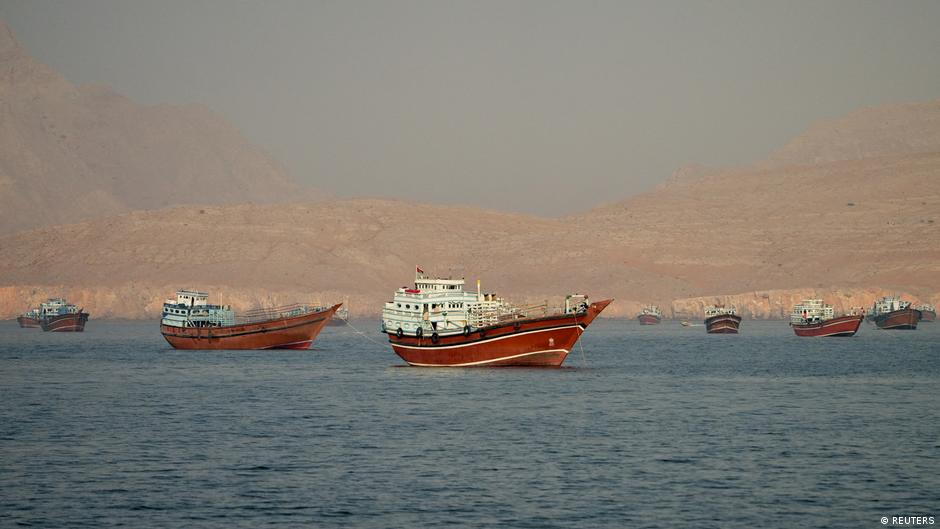
The Strait of Hormuz, a critical global oil transit chokepoint, will be reopened immediately following the signing of a ceasefire memorandum between the United States and Iran, Pakistan's Prime Minister Shahbaz Sharif announced. This development is expected to influence trading volumes and sector rotation on Wall Street, particularly within energy stocks.
Immediate Market Implications
According to the memorandum signed by US President Donald Trump and Iranian President Masud Pezeshkian on June 17, the cessation of hostilities has taken effect, with formal conditions of a permanent peace agreement to be agreed upon within 60 days. Concurrently, the US is set to lift the blockade on Iranian ports, which has been a significant factor in global oil supply concerns.
Prime Minister Sharif confirmed via social media that the reopening of the Strait of Hormuz will be immediate, directly impacting the flow of oil shipments through this vital waterway. Market analysts anticipate this may trigger a rotation from defensive energy stocks into more cyclical sectors as geopolitical risk premiums decline.
"The reopening of the Strait of Hormuz marks a pivotal moment that could reduce volatility in oil prices and reshape market dynamics across energy equities," said a senior equity research analyst.
The formal signing ceremony, scheduled for June 19 in Switzerland with Qatari support, aims to underscore this key diplomatic breakthrough and initiate detailed technical negotiations on a final peace treaty. This normalization could alleviate longstanding supply chain disruptions and ease inflationary pressures stemming from energy costs.
Sector Rotation and Trading Volume Impact
Wall Street investors are closely monitoring the developments, with energy sector ETFs and stocks such as ExxonMobil, Chevron, and BP showing initial relief rallies. The anticipated reopening reduces geopolitical risk, which has been a major driver of volatility in commodities markets.
Trading volumes in energy futures and equities are expected to remain elevated in the short term as investors reposition portfolios to reflect the new geopolitical landscape. The potential stabilization of crude oil prices may prompt funds to shift capital into sectors previously overlooked due to energy market uncertainty.
Moreover, the lifting of sanctions and blockade on Iranian ports could restore Iran's oil exports, further influencing global supply-demand balances and impacting oil-related equities' valuations.
In summary, the ceasefire memorandum and the consequent reopening of the Strait of Hormuz represent a significant geopolitical event with immediate and considerable effects on Wall Street’s energy stocks, sector rotation patterns, and trading volumes.